Showing posts with label Boot. Show all posts

Monday, May 1, 2017

BOLS of Pears

This cocktail was a collaboration between myself and my dear friend Micah. For the first round of the Bols Around The World competition, we were required to make a cocktail that was a variant of a classic cocktail that would be drunk in the year 2025. It was a very humorous notion but one that did inspire thoughts of new techniques and the trends of today. 

2.25 oz. Pear, lime leaf Genever
3/4 oz. Dolin Blanc Vermouth
1 dash Angostura Orange Bitters
Lemon Twist

Stir all of the ingredients in a mixing glass with ice. Strain the cocktail into a coupe. Garnish with an expressed lemon twist.

Instructions for infused Bols Genever:
Preheat a water bath to 130°F/54°C. Place 8 oz. of Bols Genever, 2 Asian pears (diced), and 5 fresh kaffir lime leaves in a sealed plastic bag. Let the Bols Genever infusion cook for 3 hours. Remove the bag from the water bath and let it come back to room temperature. Strain the infusion.


Bols of Pears is an homage to the Turf Cocktail no. 2, a classic relative of the martini. Normal infusion of Bols Genever, Asian pear, and kaffir lime leaf can take up to 2 months. Using the modern cooking technique of sous vide you can infuse much faster due to heating up the infusion and having it sealed so none of the alcohol steam escapes. By the year 2025, this technique will be used more and more to create faster infusions for unique cocktails.

The unashamed sweet flavors of this cocktail while still maintaining impeccable balance is why Bols Genever has been a favorite since I discovered it. We decided on mixing it up with kaffir lime leaf and Asian pears because so many modern technologies are being created and perfected in Eastern Asia. I love how much parts of Eastern Asia continue to strive to create new ideas while maintaining customs and cultures of the past. This is exactly what Bols of Pears represents: striving for exciting cutting edge ideas while still maintaining respect for tradition.

"Always do sober what you said you'd do drunk. That will teach you to keep your mouth shut."
- Ernest Hemingway

Wednesday, March 1, 2017

The Unbridled

This was the cocktail I submitted for the Woodford Reserve Manhattan Experience as my original cocktail. It was good enough to make it to the regional finals. Unfortunately, it didn't make it past that stage but my co-worker, Damian, was crowned the winner and will be going on to the next round. The presentation to the judges wasn't ideal on my part, but I believe that the cocktail stands.

1 1/2 oz. Woodford Reserve Double Oaked
3/4 oz. Amaro Ramazzotti 
3/4 oz. Campari
3/4 oz. Fresh Lemon Juice
7 drops Saline Solution

To make saline solution, simply mix 1 part salt to 8 parts water. Stir until dissolved.

Add all of your ingredients to a shaker tin. Add ice, cap, and shake. Double strain into a chilled cocktail glass and garnish with an expressed lemon twist and orange twist.

My cocktail, The Unbridled, is a tribute to the thoroughbreds and other horses that make up so much of the iconography of Kentucky. The name is borrowed from a government motto reflecting both the Kentucky Derby and Bourbon, "Unbridled Spirit". This is reflected in the drink by the sheer power the drink has initially. Then, thanks to the saline solution, the more intense bitter flavors calm down, and the more elegant flavors shine a bit more. Even the fastest and strongest horse can be elegant when calm and unburdened.

Thursday, November 10, 2016

Hot Blooded

This was a cocktail I made for the Old Forester Old Fashioned competition. The only rule for this round was that it had to use at least an ounce of an Old Forester product. This was at WhiskeyFest Philadelphia. I figured the people judging this drink would appreciate a slightly lighter style cocktail. It was rainy weather that day. I wanted something warm. 

1 oz. Old Forester 90 proof
1/2 oz. Aperol
1/2 oz. Mulling Spice Syrup*
2 oz. Hot Rooibos Red Tea

Start by brewing 8 oz of hot rooibos tea. Add that to a tempered mixing beaker. Add 4 oz of whiskey, 2 oz Aperol, and 2 oz. Mulling spice syrup. Stir lightly to mix. Serve in 4 stemmed or handled glasses. Garnish with an orange peel with cloves. Feel free to make larger batches.

Mulling Spice Syrup:
2 tbsp Mulling Spice (mix of cinnamon chips, orange rind, allspice, and cloves), 1 tsp Fresh Ginger, 1/2 Orange (Sliced), 1/2 Lemon (Sliced), 8 oz. Water, 4 oz. Wildflower Honey, 4 oz. Demerara Sugar. Steep over medium heat for a half hour. Strain into a bottle and keep chilled. 

Like I said, I wanted to go with a nice and light cocktail that would warm the spirits of the people who had already been drinking for 5 hours at WhiskeyFest. A hot toddy was I found that my favorite tea for use with citrus flavors is red tea. In a hot toddy, you need to have a bit of spice. Cinnamon and cloves are pretty classic. I added a bit of depth to the citrus components with the Aperol, and it helped the color, too. It's a nice winter warmer style cocktail. Good to drink under the blanket on the couch. 

"Come, let us drink some tea and talk about happy things."

Wednesday, November 9, 2016

Bhang! Cannabis Smoothies, a Diwali Tradition (NSFW)

Cannabis smoothies are becoming a bit popular in the states these days. People are adding weed to their breakfasts and just about anything else. Weed has been around for ages and is a part of more than one religion it turns out. Aside from the Rastafarians, the Hindu religion has a lot of affiliation with cannabis. Many of their gods smoke, which may explain some of their stories. During the Diwali holiday, which is a sort of Hindu New Years, they drink a milk based smoothie with cannabis leaves. Be aware, this is not a single serving, This should serve about 20 people. 

1/4 oz Cannabis (buds for this recipe)
1 cup Water
2 1/4 cup Whole Milk
1/2 cup Cream
10 Almonds
1 teaspoon Sugar
1 teaspoon Saffron
1 teaspoon Cardamom
1 teaspoon Fennel seeds
2-3 dashes Rose Water

You will also need some cheesecloth, a mortar and pestle, and your usual kitchenware like bowls, funnels, strainers, and a bottle to serve. 

To prepare you will need to soak the almonds overnight. Then remove the skins. Muddle the skinned almonds into a paste.

Start by removing any stems from the buds of cannabis. Discard these. If you are using dried buds, like most people do, you will need to hydrate the buds a bit. Boil a cup of water and add the weed and heat till it soaks up the water. Heat a 1/2 cup whole milk and heavy cream mixture (you could use half and half). Add the cannabis, milk mixture, and almond paste to a mortar and muddle until it becomes one consistent paste in the milk. More muddling doesn't really hurt, it just allows more time to infuse. You may need to do this in stages depending on the size of your mortar. The almonds and the fats in the milk with start to pull out the oil in the plant. Heat 2 cups whole milk mixed with 1/4 cup cream in a pot.

There are a few ways to go from here. You can steep this entire paste in the warm milk and let the flavors all mellow out, which does add some grassy flavor, or you can sort of wash the paste in cheesecloth with the warm milk which is much more labor intensive to get the cannabis effects but does greatly reduce the grassy taste. I personally don't mind a little grassiness so I'll just go with the method we used for this last batch.

Add the weed milk almond paste concentrate to the milk mixture over heat. add the spices and rose water and stir constantly for 30 minutes. Do not let it boil or allow scum to form on the surface. Set up a rig of three layers of cheesecloth over a mesh strainer over a funnel over a sealable bottle. Pour the mixture through the cloth slowly, allowing it to filter into the bottle. Allow this to cool and then squeeze the cloth to extract as much of the fluid as you can. you may want to repeat this filtering process. Chill the bhang. Shake before serving.

 Take note this is exceptionally potent and it takes a while to kick in. Start with no more than a shot glass worth and wait an hour to 90 minutes before taking anymore to gauge the effects. This is a fat based edible so it takes longer for the body to process than smoking.

"We didn't have rehab in the 70's. Back in the 70's, rehab meant you stopped doing coke, but you kept smoking pot and drinking for a couple more weeks."
- Denis Leary

Thursday, July 28, 2016

Greatest Bar Conversation I've Ever Seen (NSFW)

Bars and pubs were originally almost a sort of town hall. There are many tales of the founding fathers of America planning the revolution and writing the documents we read about in grade school. Bars for most people these days are a means of cutting loose, possibly venting your problems, and having a laugh.

If you work in this industry long enough in front of the house you hear a lot of interesting conversations. I've seen first dates crash and burn. I've heard lawyers give counsel to clients. I've heard businessmen negotiate deals and a couple politicians talking shop. There have been many rousing debates ranging from "Who was the star of that movie?" to far more serious matters. There was one conversation I partook in the other day that I believe takes the cake in terms of the greatest bar conversation.

What is the best food to eat while receiving oral sex?

I can't exactly remember how this conversation wound up to its final point of debate. I know it started with the idea of the greatest sensation a person can experience, or more sensations experienced simultaneously.

There is a great comedian by the name of Dylan Moran who I've referenced a few times in my blog. He was on stage one night said, "I know you people really want. I know what everybody wants. You're thinking 'I want to be laying down on a cushion, with my mouth full of chocolate, and something lovely happening to my lower half.' that's all you want."

A more commonplace idea I hear discussed is the idea of a "Shower Beer". This is a fabulous thing which I've partaken in many times. The hot with the cold, the relaxation, it's grand. But then the idea of "Shower Beer and a Blowjob" came around. A truly epic idea, which I may or may not have experienced. This was the case at the particular bar I was in one fortunate evening. The bartender said that she was partial to cheese fries and cunnilingus, perhaps the most modern American sentence of all time.

The debate raged with a few common agreements being made. Nothing using utensils where you had to cut the food up, or anything being excessively spicy need be considered. Various styles of pizza were a favorite. The joke of 69ing was of course made. But the idea really does sort of circle around the ego boost of the activities. You're feeling like king or queen of the world, like the great caesar being fed grapes by a concubine. Sushi was popular for a few people.

A few people went the desert route with ice cream sandwiches or chocolate-covered strawberries. Someone just said a milkshake. One particularly interesting person said fondue. With cheese, we circled back around to savory. Peanut butter and jelly, lobster Mac'n'cheese bacon-wrapped shrimp, ribs, wings. I personally think wings would be too much of a distraction. Gummi bears were well received. But a favorite was fresh-baked chocolate chip cookies.

What's your answer?
What's the best discussion you've ever overheard?

Photo Credit: pxhere, pixabay

Monday, March 21, 2016

My Bar Battle Station

So I thought I would share this. This is the bar I decided to build for my new home. I started with a desk and built a simple tiered shelving system. That very quickly filled up. I needed to expand so I got a metal wire shelving system. It took a little longer but that did start to fill up. It also lacked a workstation. So I expanded.

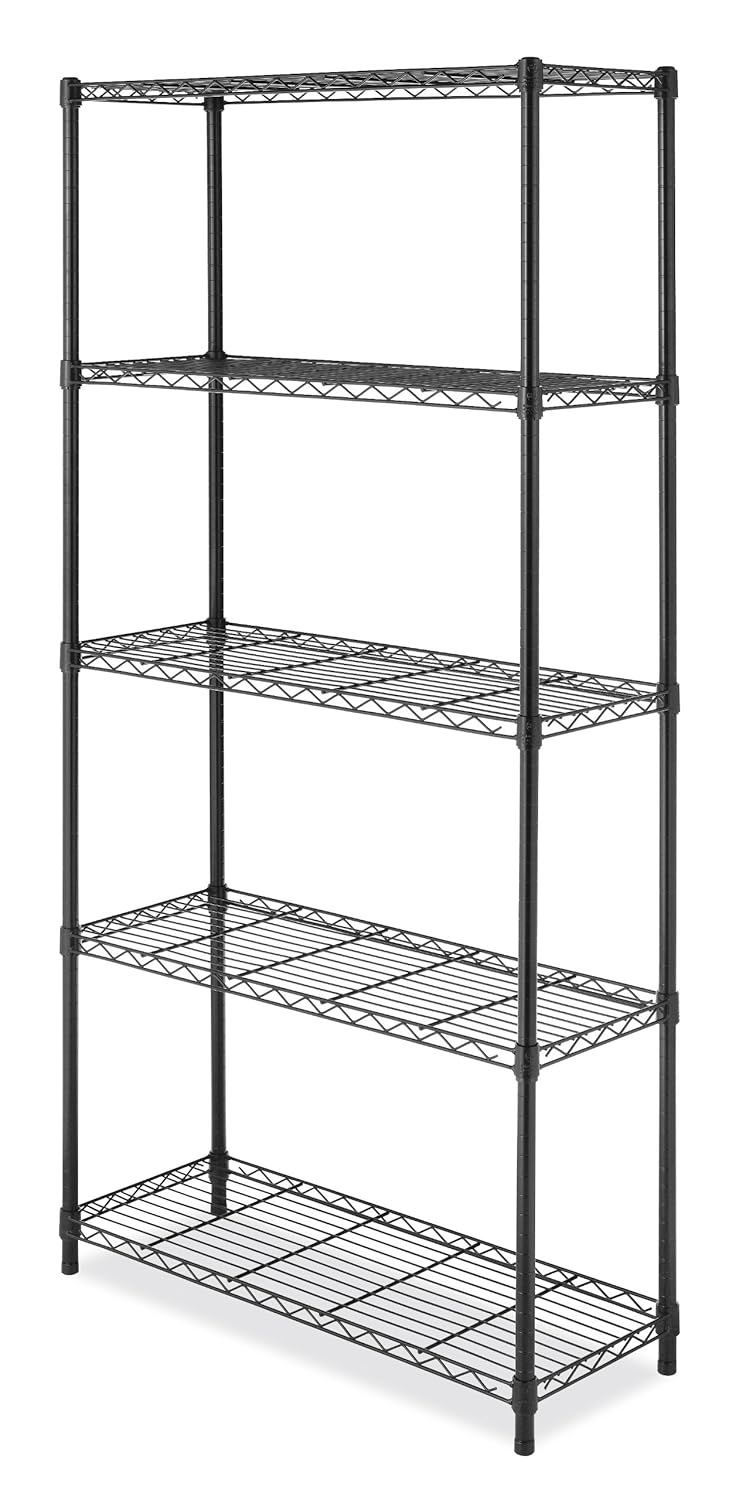
I started with this, the Whitmor 6070-5264 Supreme 5-Tier Shelving Unit. Naturally I got it in black. I'm a bartender, it's our color. This did work well for most bottles, but some bottles with small bases might wobble or topple. Shelf liners are recommended. I opted not to use the recommended liners, like this. I opted for simple mesh plastic sheets. I bought mine online, but you can find these kinds of things at your average craft store. They're used in needlepoint. I like them because they clean very easy, are semi-flexible and allow for easy adjustment and good traction. They are also typically a bit more affordable than your branded custom shelving liners, sometimes up to ten times less expensive. This was my start.

I expanded, and it's very easy to do that with this kind of shelving. I got a second 5-Shelf Shelving Unit. This time, I found cheaper one of these. Amazon started their own brand, and it was naturally less expensive. I now had two great shelves, I decided to add a workstation shelving system, a bridge in between the two racks. I thought I'd made the station a little wider. I opted for this. I got two to make it a little more stable and add a space for tools. I am not a big wine buff but I did splurge and get a rack designed for bottles.

Here in lies a problem. Despite having all the same listed dimensions, different brands to have slightly different dimensions. It's no more than a centimeter or two at most but that really does create a big problem when trying to line up the posts with the shelves. I had to put some of the deeper shelves in the middle and the thinner ones on the top and bottom. The system actually bows out slightly in the middle. It does remain stable, though. I'd certainly recommend getting two shelves of the same brand to avoid some of this headache.

Budget wise, the 5-shelf units cost about $80. The three long bridging racks cost $15 each. So, excluding shipping, the whole bar costs a little over $200 to build. Liquor and tools are up to you.


I hate to advocate drugs, alcohol, violence, or insanity to anyone, but they've always worked for me.
- Hunter S. Thompson

Monday, February 29, 2016

Tequila 401: Evolution of a Cocktail: The Margarita

The actual origins of the margarita are very open to discussion. It's been claimed by countless bars and bartenders as their own creation. Some stories seem to be more factual or fanciful than others. I'm going off what I believe. I told my favorite story in my Tequila 301 post, in this one I'll go into a few more other plausible stories.

The Daisy
2oz. Liquor, 1 Lemon juice, 3/4 Sweetener, 1 Club Soda, 1/2 Cordial
Add all the liquid ingredients to a mixing tin with ice, aside from the club soda. Shake and strain into a rocks glass with cracked ice. Garnish with an orange slice and a cherry. 
This is a very old style of drink with very little consistency in terms of the recipe. The drink style, daisy, is very similar to that of a sour, collins, or fizz. Any liquor can be used, brandy and gin being the two most popular. Grenadine is certainly one of the most common sweeteners used, but some recipes may call for simple syrup, gum syrup, or even an orange liqueur of some type. Some recipes omit the club soda or substitute chartreuse for the cordial. as a base, try 2 oz brandy, 1 oz. lemon juice, 3/4 grenadine, with club soda and orange curacao. 

The Sidecar
2 oz. Brandy, 3/4 oz Cointreau, 3/4 oz. Lemon juice, sugar rim
Add all the liquid ingredients to a mixing tin with ice. shake and strain into a chilled cocktail glass with a sugar rim. Garnish with an orange slice and a cherry. 
This is the drink that would seem to be the most natural precursor to the margarita. While the margarita is in its core components a sour, it had to take a few steps to get there. These days the margarita is the reigning sour, a cocktail comprised of a liquor a sweetening agent and a souring agent. The sweetening agent in a margarita is typically the orange liquor, unlike the usual simple syrup. The earliest record of this drink is from 1922 as equal parts cognac, Cointreau, and lemon juice. It's a simple variation on the brandy daisy. This drink predates the margarita by at least a decade, possibly two. The margarita was just two baby steps away from this cocktail. 

The Margarita
2 oz. Silver Tequila, 1 oz. Cointreau, ¾ oz. Lime Juice
In a mixing glass add all the ingredients with ice. Shake and strain into a salt-rimmed margarita glass with ice. Garnish with a lime wheel. 
Here we have the legend, the drink that is possibly the best selling drink in America. Margarita actually means little daisy, though it is quite different from many of the original recipes in its use of lime juice over lemon. A daisy was a very common cocktail style in it's day and one can see how it influences a great many modern cocktails. The margarita is a great sour style cocktail and can easily be modified with other fresh fruit flavors. It remains a blank canvas to play with while still being absolutely charming on its own. Many people will actually take this drink up, without ice. There are no rules, 

The Frozen Margarita
2oz Tequila, 1/2oz Triple Sec, 1oz Lime, 1/2oz Simple Syrup, 8oz Ice
Add all the ingredients to a blender with ice. blend until a uniform consistency, usually about 12 seconds
This is, unfortunately, one of the many times I'll have to add a cocktail variant after the original that may actually be the version the average person is more familiar with. The recipe I gave is a great way of making fresh-tasting cocktails. With blended drinks, however, some people actually prefer drinks with concentrated lime juice or sour mix. Flavored mixes are so abundant that strawberry and mango flavored margaritas are just so easily replicable that everyone is doing it. This really is a good drink to sip on the vacation.

No matter how you enjoy your margarita, it's always nice to know a little bit of history behind it. The margarita is a canvas in its own right, but it does have its roots in other earlier cocktails. I'll never tell you what you should or should not like, but make sure you try the classics every once in a while.

- Tequila is like duct tape, it fixes damn near everything. 

Monday, February 8, 2016

Tasting: Unibroue Sommelier Collection

Today I'm going to be starting a series of posts tasting a line of products put out by a brand or corporation and bundled together to create something of a variety pack for passionate drinkers. I'll be trying beers, whiskeys, bitters, and everything in between. Today, it's the Unibroue Sommelier Collection.
La Fin du Monde
9.0% ABV, Triple style golden ale
This beer I admit to having before, many times. It was one of my earliest introductions to what I would call craft beer. When I started drinking this I saw it as very high proof compared to the normal domestic beer I was used to. This is the kind of beer that goes to your head. It has a wonderful spice to it, some dry clove. The yeast flavor is very prominent. There typically is a little sediment in the bottle but don't let that discourage you. It's the end of the world. I give this beer a 10/10. You really must try this beer.

Maudite
8.0% ABV, Strong Amber-Red Ale
After I poured this into the glass for the first time I noticed how long the head lasted. I really wouldn't go away. It's thick and malty. It's not an overly carbonated, but that foam is just stubborn. This is a nice amber. Again, there is a bit of sediment and cloudiness to this beer. The finish is nice and crisp. Inspite of the strong malty flavor you do get a little orange citrus complimenting the other spices. Despite the crispness, I don't love this beer quite as much. I give it a 7/10. Mainly because I can't think of an occasion or meal to enjoy it with. Though it is quite good. 

Trois Pistoles
9.0% ABV, Abbey Syle Strong Dark Ale
This was my first time trying this beer. The head is creamy, brownish beige, and rich. It starts fairly sweet on the tongue and finishes with a nice spiced rum finish. You pick up flavors of chocolate and spice in addition to the rum. The ABV is certainly still up there, but the creamier nature of this beer makes it a little harder to notice than in La Fin du Monde. There's a great malt flavor here. I give this an 8/10.
Don de Dieu
9.0% ABV, Triple Wheat Ale
When I think of a wheat beer I usually think of a massive glass with a lot of citrus. This is not a citrus heavy beer, and a 22 oz. wheat beer glass of that may be dangerous. Again at 9.0% ABV this certainly will bite you, especially after a tasting of the last few beers. The yeast flavor is certainly less in this than the La Fin du Monde and Maudite. There is next to no spice flavor by comparison. there are sweeter notes of honey with some vanilla and some floral and fruity components. It's described as having hints of an unfiltered sake and you can actually really see that. 7/10.

Blanche de Chambly
5.0% ABV, Belgian Witbier
As far as this tasting went, this was the beer I kept going back to in order to cleanse my palette. This is much more typical of a traditional wheat beer. It has the typical citrus feel, with some added coriander flavor. The head is light and the carbonation is akin to a champagne. It's a nice beer but feels very out of place compared to the rest of the line of products offered here. I'm actually only to give this a 5/10. It's a fine beer, but very average and with the price point you have better options. 

Ephemere Apple
5.5% ABV, White Ale Brewed with Apple Must
This really does remind me of a cider, but it's less sweet, harsher. It's made with granny smith style apples, but it is still a beer. Make no mistake about that. If a customer comes in and would like a cider, they will not be happy with this. I'm going to give this a 6/10. It's a nice drink, a decent ale, very akin to a belgian white. Unibroue has done some amazing things but this isn't amazing. Perhaps it's just not a concept I care for as I haven't had many apple beers. I doubt I'd seek this out again though.

“Isn’t beer the holy libation of sincerity? The potion that dispels all hypocrisy, any charade of fine manners? The drink that does nothing worse than incite its fans to urinate in all innocence, to gain weight in all frankness?”
- Milan Kundera

Wednesday, October 21, 2015

Pope's Hangover

This was a cocktail I was playing with during the Pope's visit to Philadelphia. Every week at my restaurant we feature a different city in Italy. We do regional dishes and wines and even a cocktail designed to pair well with the menu or that uses some regional ingredients or flavors. I was told that for our week in the Roman ghetto I would need to use a cocktail with Cynar. Why Cynar, I'm not entirely sure, but it's good to have a guide. Here's what I came up with. 

1.5 oz. Brandy
.5 oz. Cynar
.75 oz. Earl Grey Tea Syrup
.75 oz. Orange Juice
.5 oz. Egg White
Peychauds bitters

Add all the ingredients except the bitters to a mixing tin without ice. Dry shake until the ingredients are well emulsified. Open the shaker, add ice, and shake until well chilled. Strain into a chilled cocktail glass. Garnish with an orange wedge and a dash of Peychauds. 

Now, I don't personally like Cynar, but I find that amaro-style liqueurs work very well with tea. Perhaps it's the natural digestif qualities of both. I decided to continue this with brandy, a typical after dinner drink. I know lemon is more traditional with teas and toddies, but I was drinking during brunch time and found that the orange was more mellow and better maintained the balance of the drink. I called this drink the Pope's Hangover because everyone was beaten down by the Holy Pontiff coming to town. There was a crazy rush of tourists, but not enough money to keep people jazzed up. This drink was for that morning after.

"Men are like wine - some turn to vinegar, but the best improve with age."
- Pope John XXIII

Thursday, September 10, 2015

Tequila 201: The other Agave drinks

Pulque
Pulque is known as the drink of the gods, a Mexican Ambrosia, so to speak. This drink dates back about a thousand years. The drink was considered sacred and a privilege reserved for the upper class. Unfortunately, the beer industry spread a lot of stories about pulque and how it had cow excrement in it and pulque started being seen as low-class. Pulque is the fermented sap of the agave plant. Think of what beer is to whiskey. Pulque is that but to tequila and mescal. Pulque is usually made in a number of delicious flavors called curados. It's low proof, usually 3-5%. It's also pretty healthy, almost like a slightly alcoholic smoothie. 

Mezcal
Mezcal or Mescal is actually the original form of tequila. Much like how brandy is the basis for Cognac. All tequila technically is mezcal but produced in the designated regions around tequila Mexico. Tequila is a protected term, enforced by the Mexican government, while mezcal is not. The CRT, Consejo Regulador del Tequila (tequila regulatory council), makes frequent inspections on every aspect of tequila production to allow the producers to sell their product as tequila. Mezcal doesn't have that. Now you might think that this inherently makes tequila a better product but that's not necessarily the case. Tequila has to use at least 

Many modern mezcal producers have actually created products that rival and even dwarf the quality of some tequilas. For a while, the only brand of mezcal I could find was Monte Alban, which was a decent mezcal, but these days you can find all sorts of premium brands, like Wild Shot, Ilegal, and Joven. While tequila can only be made with the Weber Blue Agave, mezcal can be made from any of dozens of agave plants, but most commonly the green agave, or Agave Angustifolia. It is effectively still just distilled Pulque. It's made mainly in Oaxaca and has a stronger smokier flavor than tequila. It also has a worm. Yes, this is where the worm in the bottle comes from. It won't hurt you; drink it once. 

Bacanora
Bacanora at its foundation is just a different genre of Tequila. Bacanora was named after a town where it was popularly produced. Today, it is a protected term ensuring that is only made using the certain agave grown in the select northwestern regions of Mexico, the agave Pacifico or Agave Yaquiana. It is another government-regulated name that ensures that the product is only made to certain standards. In terms of flavor, it's a bit more robust than most tequilas but not quite as harsh and smokey as many mescals. 

Sotol
Sotol is worth mentioning as well. Sotol is another distilled Mexican spirit made and distilled in very much the same vein as mescal and bacanora. It technically doesn't use the agave plant, however. It is made from the Desert Spoon, or Dasylirion Wheeleri, which is a type of evergreen shrub common in northern Mexico and parts of Texas. This plant was originally fermented some 800 years ago. It started being distilled in the 16th century when the Europeans brought over distillation techniques. The production of this spirit is nearly identical to mescal down to the way it's harvested and trimmed. Much like tequila, it is put in three different age classifications: Plata, Reposado, and Anejo. Sotol is generally slightly smokier and more vegetal in flavor than the average tequila. 

Special mention to Raicilla

Photo Credit: Wikimedia, Flickr

Thursday, September 3, 2015

The Shamrock in the Guinness.

I remember the first time I went into a pub and ordered a Guinness. This was a good, proper pub that poured it on nitro, had the glasses, and knew what they were doing with it. I'd had Guinness by the can and bottle before but there's something special about getting a beer on draft. I also remember going into a pub a few years ago and ordering a Guinness and noticed an extra step in its serving, drawing a shamrock in the foam. I thought this was a cute little touch at first, but the more feedback I hear from people whose opinion I respect in such matters, the more I dislike the idea. 

The original piece of negative feedback I heard on the subject was from a character named Super Hans on the David Mitchell show, Peep Show. He said you were effectively drinking an advertisement for a product you're already drinking. I find that argument a bit lacking, but it is a point. I more prefer the argument that it actually diminishes the ritual of the perfect Pint. 

Guinness has a long-standing standard of what it is to perfectly pour their beer. They offer a certification program for bartenders. You're meant to take a clean, dry, clear Guinness branded glass at a 45-degree angle and pull the handle. Once the beer reaches the harp you straighten the glass and stop the tap. Let the beer cascade until it's gasses settle. The continue to fill to give the beer a perfect head. Or as Dara O'Briain explained: "You have to let it sit, let it go black. Then you push it back so that more gas goes into it. 5/12 of an inch is the ideal head around the top. And if somebody paints a shamrock into it, you're allowed to stab them in the eye with a fork." 

As a friend put it once, "Never go into a bar that has a neon shamrock." The Shamrock in the pint seems to be the mark of a place that is Irish for the sake of being a theme restaurant. There's a big difference between your chains and your properly Irish pubs. A pub is simple, it doesn't need frills or flashy lights. It just needs good beer and quaint surroundings to be with friends. I can't stand plastic cups. Karaoke belongs in karaoke bars. Irish Pubs just need beer, proper beer. It's a pub, not a Starbucks. I've said enough quotes this post so I think I'll close on a song that explains what way too many pubs have become: 


Monday, August 31, 2015

Golden Apple Martini

This was actually a discussion I had almost a year ago over the best way to make an appletini. Many bartenders would say 2:1 vodka and sour apple pucker. This drink somehow gained popularity. Lord, if I know how. I suppose it was the simplicity of the drink in combination with the craze of the fancy glass. It's also incredibly easy to make at home if it's a drink you particularly like. All you needed was two bottles. On my opinion, though, the drink is rubbish. Many people have jazzed it up so to speak with sour mix, lemon juice, or citrus vodka. none of which really save the drink, they merely help balance a bit of the sweetness and lessen the proof. I wanted to take my crack at it

1 1/2 oz. Citrus Vodka
3/4 oz. Berentzen Apple Liqueur
1/2 oz. Fresh Lemon Juice
1/2 oz. Rich Honey Syrup

Add all the ingredients to a shaker tin with ice. Shake the drink well and double strain into a chilled cocktail glass. Garnish with a golden delicious apple fan.

This drink was sort of inspired by the various appletini recipes I've seen and blended with a sort of sour and Cosmopolitan recipe. I thought of creating an apple shrub or using a calvados, but I wanted something that would be fairly accessible to the average person, as that was a part of the appeal of the original. I think the flavors carry over well and do give the proper taste of an apple rather than the sour sugar taste you get from most appletini's.

"I'll have an Appletini and the girliest drink in the house"
"Two Appletinis coming right up"
- Scrubs

Coffee Kiss

This was an interesting cocktail I made for the Chilled Van Gogh Vodka Competition. The specifications were simply to use at least an ounce and a half of any of the flavors of Van Gogh Vodka. Unfortunately the one flavor available at my local liquor store was espresso. On the bright side, I do know my coffee.  

1 1/2 oz. Van Gogh Double Espresso Vodka
3/4 oz. Amaretto
1/2 oz. Blood Orange liquor
1/4 oz. Apricot Nectar
1 oz. Cream

Shake all the ingredients except the cream with ice. Double strain into a chilled martini glass. Gently float the cream on top of the drink. Garnish with some shaved dark chocolate.

I recently began working at an Italian Cafe and I knew I wanted to play with the espresso flavor. I combined some complimenting dessert flavors like almond and a bit of blood orange. I opted for some apricot as well. I knew it would be a bit too strong but didn't want to make this into a creamy drink. The float made for a beautiful presentation. This drink was really inspired by a nice midday coffee and a nice sampler platter to pair with your espresso. Orange, almonds, and apricot slices are amazing snacks to enjoy while enjoying a lazy afternoon at the cafe.

"The voodoo priest and all his powders were as nothing compared to espresso, cappuccino, and mocha, which are stronger than all the religions of the world combined, and perhaps stronger than the human soul itself."

- Mark Helprin

Sunday, August 2, 2015

Whiskey 401: Dissecting a cocktail: The Whiskey sour

The drink known as the Sour has gone through countless iterations over the centuries. I thought of organizing this by time period, instead I opted to go simply by the level of complexity and adding a few variants once the foundation has been laid. The Sour has gone through so many modifications and iterations it's near impossible to pinpoint a date when the trends changed. The origins of the sour as an individual cocktail and not a punch probably started around the 1850's. This was most likely done by sailors drinking rum while trying to fight scurvy with citrus juice and adding sugar to make the drink taste good. It was certainly after World War II, in the 60's, when store-bought sour mix became widely popular. Eventually, it even made its way onto some of our soda guns. In the nineties bartenders started exploring the idea of fresh ingredients once again. 

Modern
The first recipe I ever learned was 1 oz Whiskey and 2 oz of Sour Mix. This was shaken and served in a rocks glass with ice. It was mentioned that this could be served up, but most people took it on the rocks. Most people I saw wouldn't even really shake this, especially if it was going on the rocks. They'd just give it one or two shakes and dump it in.  They thought that shaking was to chill a drink. No, it's to blend the ingredients and to incorporate air, adding texture. To cite a blog that helped inspire me to start this, Death to Sour Mix. Assuming you use a prepackaged store-bought sour mix, this should just be called a sour, as you can't taste or appreciate whatever liquor is in the drink. The chemicals and sugar content in that mix just destroys the integrity of the other ingredients. I did learn how to make a simple sour mix however and that's where we get into the real recipe. 

Classic
This drink follows much more closely to the classic cocktail bars. I eventually learned a true recipe for this drink. It being 2 oz. Whiskey, 3/4 oz. Lemon Juice, and 3/4 oz. Simple Syrup. It's shaken good and hard, strained or double strained, and served up or on the rocks. This is an example of proper balance. A drink should have an equal balance of sweet and citrus. This while maintaining a respect for the alcohol makes a proper ratio of ingredients. This is a bit stronger than the standard drink ordered at the bar today. It's about twice the ABV of a whiskey ginger or similar highball. This is much more in line with cocktails and less focused on speed of production. Store bought sour mix was created to increase the speed of drink production and to eliminate a lot of the prep work that would need to be done every day, namely squeezing fruit and making syrups. But losing the craft means losing the character of a drink.

Traditional
This drink took a little adjusting to when I first heard about. It took a bit of a leap in order to try it, but to my amazement, it was really good. To this day, there are very few Americans that know about using egg white in cocktails. People think that the drink will taste like breakfast or egg nog. Neither is true nor are you at all likely to get salmonella. So, what does the egg bring to the table? The proteins in the egg while unravel and create an amazing silky texture and decadent foamy cap. This kind of cocktail should use the same recipe as the Classic Sour but add the white of one egg, or about 1oz. of egg white. You can't just shake a drink with egg white normally though if you want the best consistency. You need to shake the drink without the ice first to blend the cocktail and open up the proteins. This is called dry shaking. Once you do that, you shake normally with ice to chill the drink and usually double strain into a sours or cocktail glass. Most people think that the beautiful foam that comes from using egg white is lost when the drink is served on the rocks, but it can be done. 

Other Great Variants
The Stone Sour is a very fun variation which uses orange juice as well as lemon and simple syrup. A Gold Rush uses honey instead of simple syrup. The New York Sour is one of those drinks that just keeps adding to a great drink. It's a classic or traditional whiskey sour served on the rock with a float of red wine. I always find this drink very odd when made with egg white and red wine floated on top of the foam. I prefer it made without the egg white and served on the rocks. The ice makes it much easier to float the red wine. I also find that a layered presentation works best with more cylindrical glasses, rather than martini glasses or coupes. There is also the Fix, which is just a sour made over crushed ice. A John Collins is just a tall whiskey sour topped with club soda. A Fizz is the same thing but also using egg white to create a very fluffy foam on top.

“Sometimes life is sad. You can cry in your booze if you want. I think that’s called a Whiskey Sour.”
- Jarod Kintz

Photo Credit: Wikimedia

Wednesday, July 29, 2015

The Yellow Blur

This was an interesting little cocktail I created. Technically it's the first cocktail I've ever made that actually won a competition. At a guild luncheon that was hosted by Ruffino Prosecco, they decided to pit us in something of an Iron Bartender Competition. They divided us guild members up into 5 teams and told us to make 2 cocktails per team, one on the rocks, and the other served up. We were given free reign of the bar at Stratus Lounge. Many teams tried to come up with a game plan, but our team took a totally different approach, a more playful one. We all just hopped behind the bar and started making drinks. I started with a sort of orange French 75. It was a good drink but a bit boring. My friend Dan was working on a sort of strawberry smash. As the five of us were playing around we would taste each other's drinks and give feedback. In the end, Dan turned his into our up cocktail and I switched mine to a collins style drink with a little chartreuse zing. 

3/4 oz. Bombay Sapphire
1/2 oz. Yellow Chartreuse
1/2 oz. Cointreau
1/2 a Peeled Orange
1/4 oz. Simple Syrup
Ruffino Prosecco

Peel an orange and tear away about half the slices. Add the slices and all the ingredients except the prosecco to a mixing tin with ice. Shake very vigorously to break up the orange. Strain into a collins glass filled with ice. Top with prosecco and garnish with a lemon wedge.

This cocktail took quite a bit of ingenuity. Toward the end of the time limit, all the tools seemed to disappear. I had been fresh squeezing juice from halves of oranges for all of my experiments but when the clock was ticking I couldn't find a juicer, or a knife for that matter. I just said, "I'm doing this like in grade school." I used my thumbnail and peeled off the skin, tore off half the orange and chucked it into a tin. The ice they had at Stratus was good and dense so I knew it would do the job pulverizing and juicing the orange. I originally planned to double strain this to make for a clean presentation, but they were counting down the seconds as I wrapped up and a mesh strainer was nowhere to be found. I wound up just using a Hawthorne strainer which filtered the big chunks of pulp but left a few bits. This actually made the drink a lot more fun. I made it again later by double straining and I don't think it was as good. The pulp added a feel of scratch made lemonade and I think made the drink feel lower proof and more drinkable. The pulp floating around the drink in the bubbles is actually partly what inspired the name of this drink. Though the name takes an indirect reference to a Ron White bit. 

"Tiny bubbles. In the wine. Make me feel happy. Ah, they make me feel fine."
- Don Ho

Photos by Bry Guy of dumbartender

Monday, July 27, 2015

Superfruit Creamsicle

This was a cocktail I designed to be submitted to the VEEV, A Better Way to Drink, bartender challenge cocktail competition. The cocktail must feature 1 1/2 ounces of VEEV. Which was a hard thing restriction when you have such a strong liqueur. I was a bit confused by this challenge as it asked you to recreate a classic cocktail using VEEV, an ounce and a half of VEEV. Yet, points were awarded for originality. I took inspiration from a few classics and put my own spin on them while incorporating the liqueur. 

1 1/2 oz VEEV
1/2 oz Thyme infused Cointreau
1 oz Fresh Orange juice
1/2 oz Heavy Cream
1 Egg White (1 oz)
Chocolate Bitters

Dry shake all the ingredients except the bitters for one minute. Add ice and hard shake for 15 seconds. Double strain into a sours glass and add four drops of chocolate bitters. Use a pick to make a pattern in the bitters. Serve with a smile.

The original inspiration came from the standard Creamsicle recipe but drew inspiration from the Fizz as well. I knew I wanted to really bring out the dessert snack notes of the acai. One of my favorite snacks is chocolate covered acai berries. I included some cream and orange flavors as well as a bit of grassy flavor from the thyme and Voila!

“When you are attracted to, and eat, fruits, occasionally a seed will be carried within you to a fertile ground.”
- David Wolfe

Sunday, July 26, 2015

My Ideal Meal

This was an interesting thought experiment I posed to myself. What would my ideal meal be if money, materials, and time were no object? My birthday is coming soon at the time of writing this post and I was wondering what I'd like to do for it. A nice hearty dinner has always been a tradition, but if I could have anything, from any restaurant, for any number of courses, along with any drink pairings, what would I want? To be clear, these are all items I've enjoyed individually in the past, though not necessarily together. While these are not all my favorite foods specifically, they are foods that hold some significance or nostalgia to me. I hope you enjoy it. What would you do for your greatest meal ever?

Drink 1: Americano
This is my staple before meal drink. It's light. It opens my palate. It won't compete with other flavors and it's one where I can sip it at any speed I like and on a hot day, it is truly refreshing. This drink was the first drink ever ordered by James Bond in Ian Flemming's novel, Casino Royale. I adore Campari so I knew I'd need that in my first drink as it is an aperitif. For the vermouth, I would prefer Vya, a new, Californian made, line of Vermouth. I might take it with regular soda, but I would prefer it with Perrier. It is worth mentioning that during the entire meal I would like a side of ice water. 

Appetizer: Cheese and Meat Plate
To follow up with the last bits of my cocktail, I would like to consume an array of cured meats and fine cheeses. I know I would require some prosciutto, ideally thin-sliced prosciutto de parma. Some of the meats must be a bit spiced, some properly made pepperoni, salami, or bologna. One of the greatest slices I've eaten recently was actually of duck prosciutto so I'd like a few slices of that, but not too many as it's quite rich. I'd like a bit of Roquefort, sheep's blue cheese, but again not too much. In contrast, I believe that some smoked brie or Pierre Robert would be in order. We may as well throw in some goat's milk cheese as well, some bucheron perhaps. Naturally, there would be a few other compliments such as candied walnuts and spicy stone mustard, along with bread, oil, and jam.

Drink 2 and 3: Sazerac & Fruh Kolsch
As I move from lighter flavors of cheese to some stronger flavors I opted for my ultimate favorite cocktail and a good all day drinking beer. Yes, a bit of double fisting here, but I would be sitting and having water as well. The Sazerac is really a favorite cocktail if I know I have a competent bartender tending to me. It's supposedly the first cocktail truly invented in the United States though there is much dispute over this. The original recipe supposedly called for cognac, and then started being cut with rye, until eventually it just became a rye whiskey cocktail, which is how I like it. I like Dad's Hat Rye with Grande Absente for the rinse. 

Fruh holds a special place in my heart as the first drink I ever had technically legally. Sorry, Herr Goetz but I had a few beers when I was on the school exchange in Germany. It was in violation of the school regulations, but it was worth it. A group of us students went out with the German students to Rhein Park and we drank. We got a case of Fruh and of something else, Spaten or Becks. I'd had plenty of beer before, even wine, and a few liquors. But there was something about that beer that made me feel good. This was the first where I really felt like that there was nothing wrong with it. We didn't have to hide it from anybody. I looked for this beer everywhere when I came to be of age in the United States to no success. It is in no way the best beer I've ever had, but it's a simple true pleasure. One particularly bad day I found myself at a bar and they had Fruh on draft. As I was drinking that beer all the awful things that were happening fell away.

Entree: Surf and Turf with Potatoes and Mac 'n' Cheese
You can never go wrong with two premium pieces of meat. Steak is one of those things that pair well with the heartier cheeses and my new refreshments. One of my favorite meals at my old job was a 9-ounce steak cooking in its own bloody juices topped with a disk of melted soft cheese, I forget which one at this time and a few potato medallions cooked in what I recall being duck fat. Like Uma Thurman in Pulp Fiction, I typically take my steak bloody as hell. To pay homage to the song of a dear friend, I think I'd have a porterhouse. Though I'd take it pan-roasted to medium rare with butter and light seasoning. A really wet steak would not be best paired with my other dishes and sides.

I have a long-standing love of lobster. I remember being a boy and cooking live lobsters with my parents. My cat would fight them and my father would try to recreate the scene from Naked Gun 2 1/2. I remember visiting Cape Cod in the summers as a child and eventually coming to love ripping apart and eating the messy treat. A bit of melted butter to pair with a split lobster tail and two big fat cracked claws is all I could ask for were it to be paired with a steak as well. I imagine a 2-pound lobster would suffice for this.

I debated a long time what side or sides I would want with this main course. Potatoes were what came so naturally, it was almost a cliche. Baked potatoes were never my style. Roast potatoes in duck fat would easily be my ideal, but I always like mashed potatoes too. So I decided to have both. A half dozen or so baby potatoes split and fried to give them a nice crisp snap. Naturally, a little salt and pepper, possibly rosemary.

The mashed potatoes would require some mix-ins. A bit of garlic and cheddar cheese should suffice, but butter, cream, and other light flavors would be welcome. A nice creamy feeling to wash the palate. I don't care for them overly lumpy or fluffy. a nice creamy texture is what makes it my comfort food. I thought of incorporating bacon to the potatoes, but I thought that better suited to some pasta, or better yet, some Mac 'n' Cheese.

I firmly believe that the best macaroni and cheese is baked with bread crumbs on top, forming a crust. Bacon pieces should be incorporated, not bacon bits, pan-cooked bacon sliced to about 3/4". Also, nice long noodles please, while elbows and shells promote nostalgic thoughts of mom making Kraft or Velveeta, I believe, in this case, comfort food serves the function of providing the comfort. Oddly enough the cheese sauce blend isn't a real concern for me in this dish though I would like it not to be over watery, and preferably to have a little spice to it, a little warmth.

Drink 4: Patron Burdeos
I thought a very long time about what my after-dinner drink should be. Ideally, my previous two would hold through my main course spread. I thought of whiskey, port, amaro, or even a boozy milkshake kind of drink. While whiskey was my style, I thought it better suited to leave that to pair with the steak and not to be with dessert. Then I thought of brandy. No, that wouldn't be for me. While I like it, I knew there was something better. Then it hit me, the most wonderful drink I was privileged enough to taste as a gift when I did my first cocktail showcase. Patron Burdeos had the taste of fruit and wine from it's wonderful aging in the Bordeaux wine barrels. When you mix that with the proof of a good tequila you get a drink a is is better than cognac at being brandy. A snifter of this neat would be fitting for the last drink of the evening.

Dessert: Lava Cake, Ice Cream, Berries 
I needed some chocolate for dessert, but also a little more creaminess other than just cheese and butter. Lava cake is a great go-to dessert because it's never bad, but when it's good, it's tremendous. If the cake has a good crunch to the shell that almost cracks allowing the hot lava to flow out, then you have yourself an amazing cake. You naturally need some cold to go with that. So some vanilla ice cream, you can't beat a cliche sometimes. A few chilled strawberries, and maybe a few raspberries

I thought of doing a whole spread of every kind of food imaginable, but I knew much of it wouldn't pair together. So I opted for the most luxurious cohesive spread I could. A meal that would remain uncluttered was a necessity. I wouldn't want a volcano sushi roll with some barbeque pulled pork and creme brulee. It just would mesh right on any level, though all of those things are amazing on their own.

I thought I'd price this were I to order it at a restaurant assuming average markup and prices. I'd actually estimate this at a little over $200, maybe $240. A good chunk of that comes from just the Burdeos. Were I to make this on my own, excluding cooking costs, it may only cost about $65 if I shopped the deals available to me. Of course, that is by the ounce for cocktails and may be considerably higher than that if you factor in the cost of whole bottles and containers. But I think this meal would be worth that. In practicality, I might switch the Burdeos for something more practical, but this thought experiment was for the ideal meal.

"The meal isn't over when I'm full. The meal is over when I hate myself"
- Louis C.K.

Photo Credit: Flickr, Wikimedia, Pixabay

Wednesday, July 15, 2015

Wine Keys and Openers

Pull Corkscrew
This is the oldest style of wine bottle opener around. The style of it makes it look like it was some type of woodworking equipment. In short, you press the point in, screw the handle until it is deep enough. Grip the handle firmly and yank the cork out. The original design is of course very risky to use as it requires a very firm grip on the neck and shoulder of the bottle to be able to physically yank the cork out. These are the kind of screw you find Many times when an amateur tries to use this type of corkscrew they will drop the bottle and make all kinds of mess, especially if it's a bottle of white wine that's been chilled and has condensation on it. Some modifications were made over the years. Springs and levers and more form-fitting grips have helped, but they still tended to rely on physical strength to yank the cork out

Waiter's Wine Key
Give me a lever and a fulcrum and I can move the earth. Just about anyone who has worked in the service industry has used one of these at some point. They start as a sort of swiss army knife of handy bits. There's a blade for removing the foil around the cork. There is, of course, the metal helix on a hinge that screws in. What gives this little tool the nickname Waiter's Friend is not just the portability of the tool, it's that little extra piece of hinged metal which just makes the job so much easier. Once the metal helix is screwed in, you tilt the handle and bend down that metal plate so it presses against the top of the rim of the bottle. Carefully holding all parts in place, raise the open side of the handle levering out the cork. It takes so little effort compared to trying to pull it straight out.  It does take a little getting used to. You need to figure out just how deep to screw it in so that when you pull, the entire cork comes out. Some newer keys have a two-tiered metal plate. This allows the key to pull the cork part way out, and then finish the job with the whole length of the plate. 

Butterfly / Wing Corkscrew
These are the most common wine openers I find in your average home. This is a very novel modification to the standard cork pull. they simply took the standard corkscrew that had a brace on it and added some levers attached to gears so that it pries itself out rather than having to be yanked out. It maximizes efficiency and cuts the amount of force needed in half. simply position the screw at the top of the cork and twist the knob. If you have a firm grip on the base of the corkscrew and the bottle then it should screw in with very little resistance. As you screw the winged levers will raise. When you reach a sufficient depth firmly grasp the levers and press down. the cork will be forced out without much strain. Often times the twisting knob serves a second function of a beer bottle opener.

Rabbit Opener
This is a sexy piece of bar equipment. The advantage of this model is that it twists itself into the cork as you raise the handle. So all you have to do is grip the two ears, lift the lever up, and then pull it back down. When this works, they seem like the smoothest bottle opener I've ever worked with. But these are far more form over function I find. They are sexy and can impress your house guests, but sometimes they just don't work. The worm will slide in but then slide ride out without pulling the cork with it. I find the expense and bulk of this item to be impractical for a bartender though they do look pretty at home

Electric Wine Bottle Opener
I'm seeing more and more of these on the market today. Yet I don't see enough of them used in bars or even households. I think there's always been a certain charm to seeing a bottle opened by hand. While as an employee I like expediency in my work, as a guest I like the little ritual. They operate very much on the same system of the rabbit opener but use a battery to spin and pull the worm helix. Oddly enough, these tend to be cheaper than the rabbit openers. Yet, there's no lifting, twisting or squeezing necessary. I find these work very well for home use. The average battery would not be sustainable for a busy wine bar environment, only being able to open five bottles a day. I like these though, most brands work well and look very sexy sitting on the counter with the other appliances.

Coravin Wine System
These are a fairly new addition to the wine game. They use a small needle inserted through the cork of the wine bottle and a CO2 cartridge or draft pressure system to pressurize the wine bottle and force the wine through the needle. This is great for restaurants that don't want to open a bottle of wine which might not sell and could potentially spoil within days. It's also great for liquor reps. You draw out your glass or sample, remove the needle and the bottle remains sealed and preserved. For a regular consumer who doesn't need to worry about having an open bottle of wine sitting around the house for too long, this is not a necessity. 

"Wine is bottled poetry."
- Robert Louis Stevenson

Photo Credit: Pixabay, wikimedia