Showing posts with label bar. Show all posts

Wednesday, March 8, 2023

Jager Bomb with a Hammer

This was a trick I decided to adapt for a small party I was throwing. These days, every cocktail enthusiast and their grandfather has a spherical ice mold. I saw a trend for hollowing them out and serving a cocktail inside the ice sphere. I just did my own variation.

You only need a little equipment for this. You'll need a freezer, naturally. You'll also need a heat source and a metal point to heat, though a soldering iron does the job brilliantly, provided it's clean. You'll also need a small funnel, though a syringe or meat injector works a bit faster, and when dealing with ice, speed is critical. Lastly, you'll need a spherical ice ball mold that you can flip upside down and remain stable. I prefer the style pictured. The only other things required are the liquids, Jagermeister, and Red Bull. 

The basic premise is that ice freezes from the outside in. The trick is just stopping it before it freezes too much. Fill your ice ball mold with water, add the top half, and put it in the freezer. After an hour and a half, flip the mold over. This allows the ball to freeze evenly as different parts of the freezers have different temperatures. Also, any air bubbles and impurities would float or sink, throwing off the thermal conductivity. Otherwise, slices of the ball would be fragile and others very thick. After another hour and a half, remove the partially frozen ice ball. Bear in mind that these times are relative to what I find to be the average home freezer. You may need to extend the time.

Rinse the outside of the mold with warm water, not hot, or you may crack the ice. Now, we need to hollow out the mold. Heat an ice pick or use a soldering iron to poke a hole in the top of the ice ball. Draining can be a tricky part. You can flip the ball over and drain it out, but it will take ages because of the lack of airflow. Using a meat injector seems to be the fastest way of sucking out most of the liquid. You can also use a straw and blow sharply into the ball to eject a good portion of the ball's water while it's upside down to drain it much faster. However, this technique isn't suited to a bar environment. 

Next, using a funnel or the meat injector, fill the ball with Jagermeister. Plug the hole with something that allows the ball to stay upright. A cherry with a pick through it works well, as could a coiled citrus twist. Add the ball to a large rocks glass and fill the glass with Red Bull. Serve with a small hammer to let the guest smash the ball open.

Friday, September 25, 2020

Talisker, Taste of the Sea, Cocktail flight

This was my submission for Round 2 of USBG World Class, sponsored by Diageo. The concept was to assemble a flight of three cocktails, one fully fleshed out as a recipe with precise measurements. The other two cocktails could be submitted as loose concepts. There were several themes to pick from


To make the Mignonette cocktail, add 1.5 oz. Talisker 10-year-old, 0.25 oz. Pimm's, 0.25 oz. Apple Cider Vinegar, 0.25 oz. Demerara Sugar Syrup (2:1), 0.25 tsp Smoked Paprika to a mixing tin. Add ice and shake well. Double strain into a 4.5 oz rock glass without ice. Garnish with a wedge of lemon placed on the side. Serve.

The flight will be presented as three cocktails in rocks glasses inserted into a bed of crushed ice in a metal bowl, like oysters or other seafood from the raw bar. 3 Lemon wedge garnishes also sit on the ice to allow the guest the option of additional citrus. It is meant to reflect a seafood tower/sampler platter presentation. There is no required order to sample the cocktails; in fact, sipping back and forth between all three is the recommendation. If pushed, I suggest the scallop cocktail as a first sip, followed by the kipper cocktail, and the oyster cocktail as the third. Bouncing back and forth between each is encouraged to allow a fun mix of smoke, oil, different acids, sweets, and spices.

Talisker comes from the gorgeous windswept Isle of Skye. It is famous for its salinity balanced with medium smokiness (around 20 ppm). I wanted to take that smoke and salt, standard through so many fish dishes, and pair it with a few personal favorites: smoked kippers, oysters, and scallops. Oysters and mignonette immediately came to mind as I've drunk Talisker from an oyster shell more times than I can count. Pimm's was also invented in an oyster house, so it was a natural fit. Smoked Kipper is a classic breakfast from the UK and one of my favorite running jokes from the epic sitcom "Red Dwarf." In the 2015 Malt Whiskey Yearbook, Dominic Roskrow even describes the nose of the 10 Year as "Grilled oily fish in lemon oil." The Storm adds a bit more smoke, reflecting the smoked fish better. I needed a lighter, delicate cocktail to play with scallops for the third. A mild fortified wine and a bit of orange zest really highlight the soft citrus note of the Talisker 10 Year. I hope you enjoy it.


Monday, September 21, 2020

What a Pear

I don't rightly recall the occasion I first made this drink. But it remains absolutely delicious, and any time I have all the ingredients on hand, this is one of my go-to martini builds. It's a beautiful fruity martini with notes of white flowers and pear. 

1.5 oz. Ford's Gin
0.5 oz. Grey Goose La Poire
1 oz. Alessio Bianco Vermouth
2 dashes Hella Co. Orange bitters

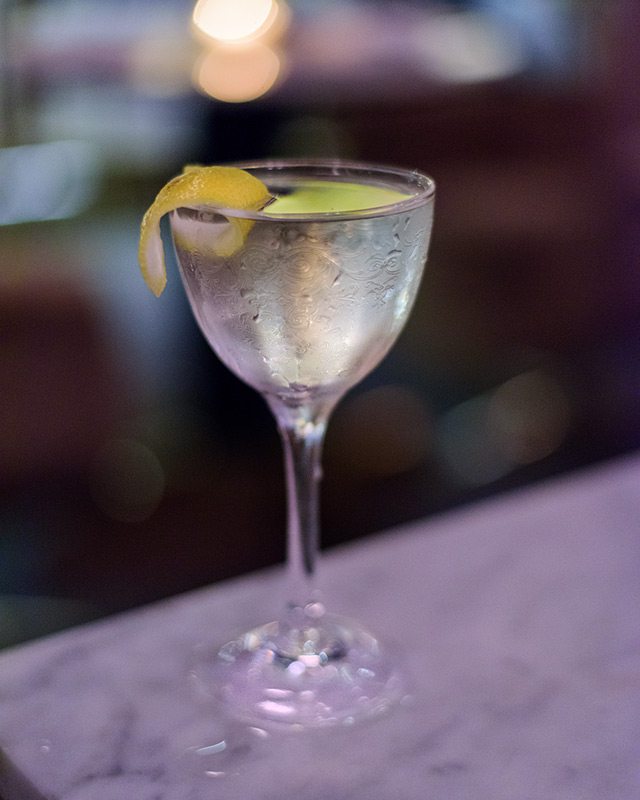
Add all of the ingredients to a mixing tin with ice. Stir until well chilled, approximately 18 seconds. Strain into a chilled coupe. Garnish with a lemon twist.

The inspiration for this cocktail came from my dear friend Catherine Manning. Her drink of choice is always a 50/50 martini with Bianco Vermouth. Alessio recently came to our shelves in Pennsylvania and has been gaining notoriety. I wanted to highlight the flavors, bringing a bit of pear and notes of white flowers with the vodka and gin. A bit of citrus oil balances it out, and we have a martini that stays bright and playful any day of the week. Cheers.

Photo Credit: Micah Messinger

Monday, April 27, 2020

Dream Maker in the Sky

This is one of the many drinks I came up with for the Chilled Toast the Industry competition. It was a brilliant idea to have a contest during the quarantine. Bartenders made up to 50 unique cocktails for this one, using a vast range of spirits from 10 brands. Scapegrace is an interesting gin from New Zealand, and I love any gin that does a Navy Strength. 

1 oz. Scapegrace Gold
0.5 oz. Luxardo Bitter Bianco
0.5 oz. Triple Sec (Combier)
1 oz. Fresh Lemon Juice
0.5 oz. Simple Syrup (1:1)
1 Large Egg White
Orange Bitters

Add all the ingredients aside from the bitters to a shaker tin without ice. Dry shake vigorously, add ice, and hard shake even more vigorously until the drink is chilled and foamy. Strain into a chilled coupe glass. Add a few drops of bitters on top of the foam for garnish and aromatics.

This started as a navy-strength Negroni Sour, but I really wanted to bring out the lemon, orange and dried tangerine in the gin. The vermouth got swapped for orange liqueur. Luxardo Bitter Bianco has always acted as a better balancing agent for softer flavors than the more aggressive Campari or Suze. Also, it gives a pretty white color you don't see in many cocktails. "Dream Maker in the Sky" comes from a song called "No Hopers, Jokers, and Rogues." A Scapegrace is a rogue. It fits.

"Come all you no-hopers, you jokers and rogues
We're on the road to nowhere; let's find out where it goes
It might be a ladder to the stars. Who knows?
Come all you no-hopers, you jokers and rogues."
- Fisherman's Friends

Monday, January 20, 2020

New Blood

This is a cocktail I made for the Make It Exotico Competition. It's a lovely balance of sweet, bitter, and sour. It's fairly low alcohol by volume compared to a lot of my other cocktails. Nothing too complicated or fancy. All the ingredients are readily available at any liquor or grocery store. cheers. 

1 1/2 oz. Exotico Blanco
1/2 oz. Cynar
1/2 oz. Grapefruit Juice
1/4 oz. Fresh Lemon Juice
1/2 oz. Agave Nectar
3/4 oz. Blood Orange Soda

Add all the ingredients aside from the soda to a mixing tin with ice. Shake until well chilled. Double strain into a large rocks or collins glass with ice. Top with the blood orange soda. Garnish with a quarter slice of grapefruit.

Upon recent reflection, I'm starting to see why this kind of cocktail doesn't garner much attention. It's not incorporating some exotic juice or homemade syrup or liqueur. That said it's actually pretty tasty and very easy for a home bartender to whip up at home or even batch into a punch.

"They drew first blood!"
- Frank Reynolds

Friday, January 17, 2020

Cockney Stairs

This was my entry for Bombay Sapphire's Most Imaginative Bartender competition a few years ago. I just never got around to posting it. It really is just a touch of English time in a cocktail. Not the most imaginative thing I've ever done but it is a pretty tasty drink. It's definitely better as a batched drink. 

1/8th Honeycrisp Apple
1/8th Red Delicious Apple
1/8th Bartlett Pear
1/8th Starkrimson Pear
15 Black Peppercorns
5 Cardamom Pods
4 Allspice Berries
1 Star Anise Pod
1 1/2 oz. Bombay Sapphire
1/2 oz. Raw Honey
4 1/2 oz. Hot Water
1 1/2 oz. Whole Milk

Using a mortar and pestle, pulverize the peppercorn, cardamom, allspice, and anise. Dice the apples and pears. Bring water to a boil. Add 4 1/2 oz. of the water and all the other ingredients aside from the milk and gin to a french press coffee maker. Stir lightly and apply the cap. Froth the milk using a steamer or motorized frother. Add the gin to an Irish coffee glass. Once the cocktail has steeped for approximately 2 minutes strain the cocktail into the glass. Top with the frothy milk.

The inspiration for this drink was a trend I've seen in coffee shops repurposing their tools. I've seen coffee shops use a milk steamer to make hot chocolate and even small servings of mulled wine. The heat helps the infusion process and aromatics. A go-to nightcap of a friend is boiling water, with a lemon peel, and just a touch of gin. I decided to take the flavors just a little further with some juicy, sweet, and floral apples and pears along with some spices. Adding some warm milk turns this drink adds a touch of British heritage, softening out any intense edges that may have over intensified in the infusion process, as if you were having a nice midday tea. 

The name come from cockney rhyming slang where one would use phrases like "Apples and Pears" to replace works like "Stairs". There is some peculiarity in that the phrase "Apples and pears" became so widely known to people who didn't understand cockney slang it's actually fallen out of fashion. 

Excerpt from Austin Powers Goldmember:
Nigel: Don't you remember the crimbo din-din we had with the grotty Scots bint?
Austin: Oh, the one that was all sixes and sevens!
Nigel: Yeah, yeah, she was the trouble and strife of the Morris dancer what lived up the apples and pears!

Monday, January 6, 2020

Garden of the Butterflies

This was the first cocktail I got on the menu at my old job at Royal Boucherie in Old City, Philadelphia. It was a staple on the summer cocktail menu and stayed there for a bit over 3 months. It was a lovely, refreshing floral take on a margarita. 

1.5 Tequila
0.5 Lemon Sage Shrub
0.5 Fresh Lime Juice
0.5 St Germain
Butterfly Pea Tea

Add the tequila, shrub, juice, and liqueur to a shaker tin. Shake with ice and strain into a highball glass filled with crushed ice. Top with butterfly pea tea.

To make Butterfly Pea Tea:
Add 24 flowers to a quart container. Fill the container with boiling water. Let that sit for 3 minutes. Strain out the flowers and press them to extract all the tea.

To make Lemon Sage Shrub:
Slice a series of lemons into a fish tray with the skin on. Cover the lemons with white sugar equal to the weight of the lemons in layers, making sure to thoroughly coat the lemons on all sides. Toss in one sprig of sage for every 2 lemons. Let that sit overnight to extract the oil from the lemon skin. Add champagne vinegar to the mixture in equal weight to the lemons and sugar. Muddle the lemons slightly to extract the juice. Add the mixture to a pan on low heat. Muddle and mix until the sugar is dissolved and the liquid is uniform. Run through a chinois and mash the solids to extract all the liquid possible. Store in an airtight refrigerated space.

The inspiration for this really came out of nowhere. My fiance loves very citrusy cocktails. I wanted a citrusy floral cocktail. I played with gin at first, but tequila or sotol really made the drink pop a bit more and stand out from some other generic floral gin cocktails. The pea tea adds a bit of tannin, but the real selling point is the color. We had some St. Germain branded glassware, which made this cocktail look just like a flower and its stem. It happened a lot where I would make one of these, and it would catch the eye of someone at the bar, and then that's 3 more drinks to make.

"We must cultivate our own garden. When man was put in the garden of Eden he was put there so that he should work, which proves that man was not born to rest."
- Voltaire

Saturday, November 23, 2019

Whisky 202: Scotch, What's the difference?

There are two main things to look at when reading a scotch label. The first is whether or not the whiskey is a blend or a single malt. The second is what region the whiskey was made in. In some blends, this will be less relevant but if it's listed it can tell you a lot about the whisky.

Single Malt Scotch is pretty simple, albeit strict in terms of production standards. Single Malt Scotch is a scotch whisky that is made at a single distillery and made of malted barley and no other grains. It does also have to follow the legal standards of being a Scotch, of course. Strict and to the point. Grain Whisky is very similar to single malt whisky, except it uses a grain other than barley, typically wheat or corn. Blended Malt Whisky is a whisky made of at least two different single malt whiskies mixed together. Blended Scotch is a blend of any number of single malt and grain whiskies. 

Some people think that scotch has to be smokey due to the common use of peat smoke being used to dry the barley, but it not required, and is really more of a regional preference within Scotland. Trace amounts of caramel coloring are allowed. One thing worth noting is that age statements on any scotch, single malt or blended, must reflect the youngest whisky in the bottle. you could have a 4 year scotch blended with a 60 year scotch and the bottle would have to read "4 Year Old".

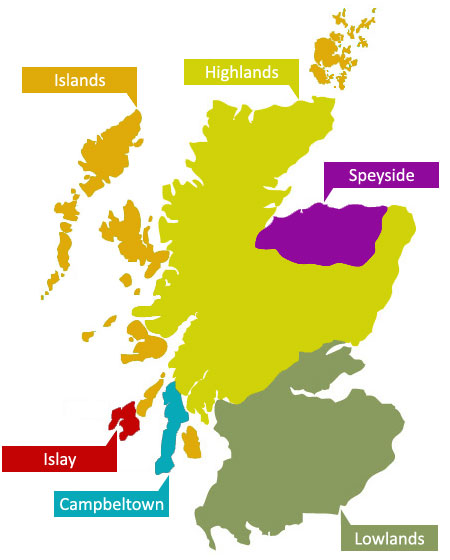
Scotch whiskey production is broken down into 6 regions. Highlands, Speyside, Lowlands, Campbeltown, Islay, and the Islands. The islands are something of a new designation but are widely accepted to be a distinct region. 

The Highlands is the largest region and thus the most diverse. It has over 25 distilleries, the most famous being Glenmorangie and Dalmore. Some people even divide the highland region into north, south, east, and west. The north has more full-bodied whiskies, lighter fruitier styles are found in the east and south. the west is a bit bigger and peatier with more coastal influences. It's hard to draw an accurate determination of taste if a whisky just says highlands. 

The Speyside region, while smaller than the highlands, has over 60 distilleries. The most famous being Macallan, Glenlivet, and Glenfiddich. Typically they are a bit softer and sweeter with little to no smokey peat flavor. Some can even bear a light salty flavor depending on their proximity to the coast. Over 60% of single malt scotch comes from this relatively small area

The Lowlands are the second biggest region, but only houses 5 distilleries, the most famous being Auchentoshan. These whiskies also tend to be lighter, with no peatiness and are occasionally triple distilled. They sometimes have a grassy or honeysuckle note.

Campbeltown is one of the most historic regions but is now down to just 3 distilleries. This region's whiskies are dry, briny, and sometimes pungent but can be fuller or lighter in body. Springbank is probably the best-known brand.

Islay (pronounced eye-luh) is the smallest region but probably the most famous and most beautiful. Housing less than 10 distilleries, this area produces peaty smokey single malts like Ardbeg, Laphroaig, and Lagavulin. They often bring notes of smoked fish or seaweed. These whiskies are often too aggressive for beginner scotch drinkers.

The Islands are not recognized by the Scotch Whisky Association but are widely agreed to be their own region. They are naturally very varied in style and taste. There are over 800 islands off the coast of Scotland but very few are inhabited. Some of the most famous island whiskies are Highland Park from Orkney and Talisker coming from the Isle of Skye.

"I love too sing, and I love to drink scotch. Most people would rather hear me drink scotch."
- George Burns

Sunday, November 10, 2019

Gin 402: Dissecting a Cocktail: 101 ways to Martini

Someone walks into your bar and asks for a martini. What do you make them? The following are 12 examples of the classic drink. this showcase should run the gamut of what this drink can be. There are a couple variables that aren't directly measured like how many olives do you want in your dirty martini but pish. P.s. Please don't drink all of these in one sitting. It's actually a lot of fun to batch them all up and do 6 1/2 ounce pours of them to really learn your own palette and tastes.

50/50 Martini
1.5oz. Plymouth Gin, 1.5oz. Dolin Dry Vermouth, 1 dash Orange Bitters, Garnish: Lemon Twist
Add these ingredients to a mixing glass. Stir until well chilled (about 30 seconds). Strain into a chilled cocktail coupe and garnish with a twist of lemon.
This cocktail is actually much closer to the historical Martini recipe than any other drink on this list. The others are substantially more alcohol forward, which became a bit of a trend in the 60s, nearly a century after its likely invention. This recipe showcases how vermouth can add beautiful delicate flavors to the cocktail and let you enjoy yourself without getting too plastered. Finding a balanced ratio between the two main ingredients is truly a matter of personal preference. Some people go classic with a 2:1 ratio of gin:vermouth. Others like 5:1, 8:1, or even 1:2, with more vermouth than gin. Nothing is set in stone.

Churchill Martini
2.5oz. Beefeater London Dry Gin, Garnish: Olive
Stir gin with ice while glancing at an unopened bottle of dry vermouth. Olive garnish
This was indeed how the legendary British Prime Minister ordered his cocktail. He kept it purely British, no French or Italian spirits tainting his gin. Boozy for sure. Fun fact: also how Eggsy took his Martini in the film Kingsman: The Secret Service. A simple riff on this recipe is the In-and-Out Martini. No, not the west coast burger joint. Simply rinse a chilled martini glass with around a quarter ounce of vermouth, coating the glass. Then dump it out. Strain in your chilled gin (or vodka), and bang, gin with essence of vermouth.

Vodka Martini, Shaken not Stirred
2.5oz. Vodka (I recommend Ketel One), 0.5oz. Martini Dry Vermouth, Garnish: Olive
Add your ingredient to a three-piece shaker with ice. shake until chilled (8-10 seconds). strain into a chilled martini glass. Garnish with an olive on a pick. 
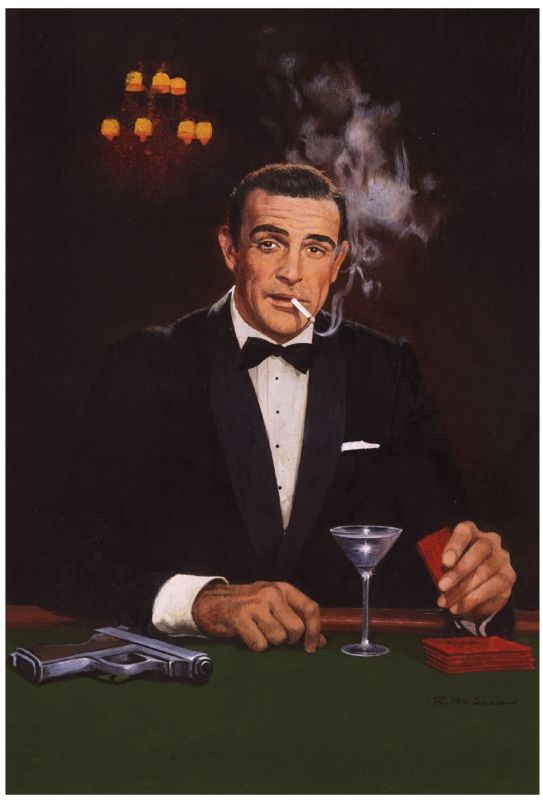
Yes, we're going the James Bond route. Well, rather the Sean Connery route. There's some debate as to how this drink became so popular. This was how bond ordered it in the 6th book "Doctor No", which was the first Sean Connery film. But Bond had invented and drank countless other drinks throughout the many books. I'm sure someone has counted them. This drink is unnecessarily watered down and likely has air bubbles and ice shards floating around in it. Perhaps the weaker drink allowed Bond to retain his composure for longer while on the job. This texture is desirable to some but rather uncommon in spirit-forward drinks which could be stirred allowing for a silky clean feel. Some people think that it does make it colder and easier to drink quickly. Up to you, my father likes them.

Diamond Martini
2.5oz. Vodka (I recommend Ardent Union), 1 dash Martini Dry Vermouth, Garnish: Lemon Twist
Batch up these ingredients together. Store them in the freezer until it's as cold as possible. Pour into a chilled martini glass when ready. Garnish with a lemon twist. 
This is the exact opposite of the last Martini. It's all booze, chilled down cold as possible and served with no dilution. It feels like booze. Dilution is a crucial component of every cocktail. Eliminating the water that naturally mixes with the drink creates an imbalance. Feel free to use a 100 proof vodka to really drill the extremes of this example. Or just stick a bottle of Everclear in the freezer. Some people genuinely do just like drinking cold vodka without dilution or mixer, but I find that is a fairly regional preference.

Dirty Martini
2.5oz. gin, 0.5oz. Dry Vermouth, 0.5oz. Spanish Olive Brine, Garnish: Bleu Cheese Stuffed Olive
Add these ingredients to a mixing glass. Stir until well chilled (about 30 seconds). Strain into a chilled cocktail coupe and garnish with a bleu cheese olive on a pick.
There is a lot of debate about when people started garnishing the martini with olives rather than a twist. According to a story on NPR, a Syrian bar owner in Paris wanted to show off the fruit of his homeland and started sticking them in drinks and it caught on. the added salt and vinegar which was used to store and preserve the fruit created an amazing depth to the otherwise fairly light flavor. I prefer bleu cheese olives personally but it's common to find olives stuffed with garlic, pimento, or other peppers to add some different spice character to the drink. Some people will also use olive juice in place of brine, or even run olives through a centrifuge to extract the essential oils (please make sure these are food safe before purchasing/ingesting).

Perfect
2oz. Tanqueray Gin, 0.5oz. Noilly Prat Dry, 0.5oz. Noilly Prat Sweet, Garnish: Lemon Twist
Add these ingredients to a mixing glass. Stir until well chilled (about 30 seconds). Strain into a chilled cocktail coupe and garnish with a twist of lemon.
This is a sort of step in between the Martini and the Martinez. The drink calls for sweet and dry vermouth. It injects a lot more fruit character into the drink. I don't like an overly complicated and botanical gin for this drink. Tanqueray is famous for having only 4 botanicals which make it less likely to have a clash with any of the ingredients in the vermouth you're using. Feel free to mix and match your ingredients for this one, and all of the other cocktails as well. 

This should have given you a full understanding of what the martini can be in every respect. No two people like their martini's the exact same way. Though obviously, not everyone has had a martini every way you can possibly make it. At least none who have survived. A martini is a very personal thing. Have a conversation with your guest. What spirit? What brand? If they want any vermouth, and how much? What garnish? Ordering a martini means you have to talk to your bartender, eventually they will learn your tastes and make it your way every time. Even then, it's still fun to try new ingredients and ratios to see how your tastes change over time. I would never make the martini I make for myself at home for a random guest at a bar. Who knows? Maybe one of you can make me a drink even better than how I make them for myself. Two people have done it for me so far and it made my life all the better. 

Monday, November 4, 2019

Bar Knives

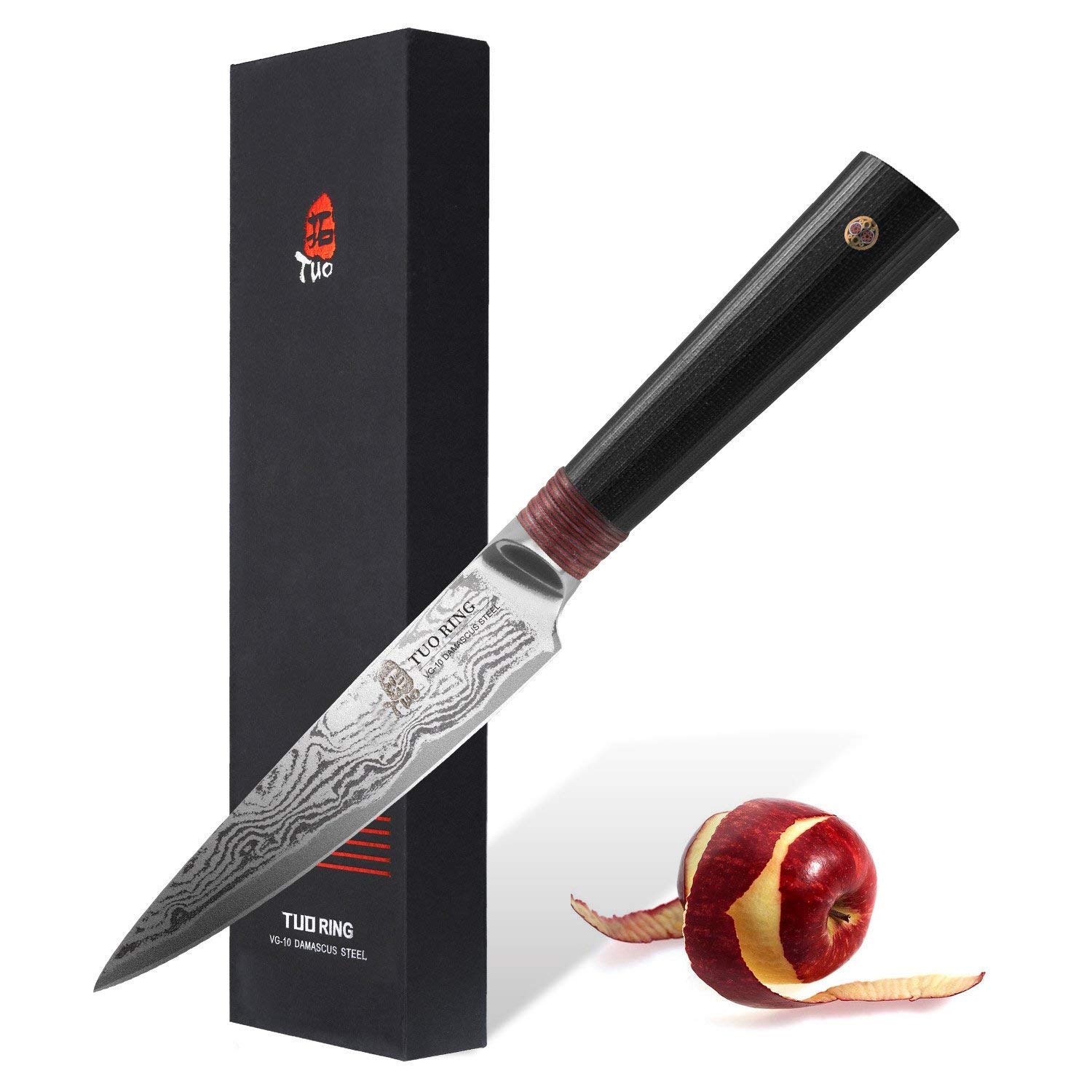
For the purposes of cutting fruit for garnishes, just about any well taken care of knife will do the job. I've used oyster knives, serrated steak knives, 8-inch chef's knives, and weirder. A butterfly knife worked really well for me for years. A dollar store paring knife will do the job but it will dull or even break fairly quickly. Spend at least $10 on a good piece of stainless steel. Here's a guide of the pros and cons of different knife types. 

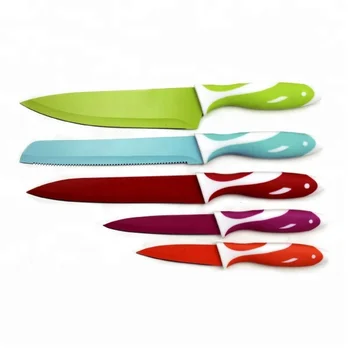
In terms of material make your choice wisely. Carbon steel is sensitive to citrus so avoid that. Some people prefer non-stick silicon-coated knives, which usually come in a variety of pretty colors. The coating allows the knife to be cleaned easier but constant use and sharpening removes the protective outer layer. Most are affordable enough to replace as needed. Compared to carbon steel, ceramics are actually wonderful. They will hold an edge longer, they don't rust, and are typically cleaner. They can't cut overly dense materials though, like anything frozen. Steel remains the most versatile. If you take the craft seriously and enjoy the ritual of maintaining your tools get something solid. If you're just keeping it casual, silicone coating or ceramic work fine. 

Length and shape are just as important. They are important with regards to most things. 3.5 inches is a standard for a fruit paring knife, but that is sometimes too small and makes cutting anything the size of an orange or larger rather tricky. It'd require multiple sawing cuts, which leads to a higher chance for error. Not the end of the world, but I go for 4 inches, it's still easy enough to finely maneuver. The purchasing of larger knives may be necessary for pineapples and whatever other custom needs you may come across. Go on, get a machete if you are doing coconuts. Just, please be careful and watch your fingers. 

Unless you were a professional chef at an Asian restaurant focusing in soba noodles in a past life, get a standard double-edged blade. With training, these can be handy for ice carving, but that's another conversation. And avoid serration to assure clean cuts with no stringy bits hanging off. 

The shape and curve of the blade are where things really get subjective. A nice point is necessary for detailed work. Get a good spear point and you can cut designs as if you were using a pen. The choice between a classic curved, Sheeps Foot (straight/flat edge), or Bird's Beak style are fairly subjective. Bird's Beaks are weird, you're not a French chef carving potatoes. Sheep's foot knives allow you to cut all the way straight down and have the blade be totally flush with the cutting board. These square-edged knives are typically beautifully sharp. They are unfortunately typically fairly small, expensive, and harder to find. Santoku edges are not perfectly straight but are very close. They are widely available in all materials and sizes. Rounded edges are common but are designed more for fine chopping and mincing in the kitchen.

Handles are another matter. The common chef knife handle material is wood, but you widely see plastics and synthetics used, occasionally metal. Naturally, when wood gets water or acidic components or what have you on it, it can corrode. They are widely agreed to be more comfortable though. Just don't put them in the washing machine. With synthetics, you can be more careless with their caring and maintenance and it will retain its durability. 

Regarding ice cutting knives, get dense folded steel. You'll need a smaller size for hand carving spheres or diamonds. Spend at least $70 and you will feel like you're cutting bits off a potato chip rather than a piece of brick ice. Cutting down large block ice into workable chunks is trickier. A decent bread knife will work to break down large blocks with the help of a mallet, roughly. We'll talk more about this in our ice section. My choice at home for detail work is here. 

Take care of your knives. So many of our bar tools are based solely on feel and really don't develop appreciable wear and tear. Knifes dull. Knives need care. Caring for your knives is a very meditative thing. Enjoy it. Appreciate your craft. 

- "A knife is not a weapon, a knife is not a toy; a knife is a tool and who uses a knife as a weapon, or a toy; is a fool."

Tuesday, October 29, 2019

Mule in a Mill

This is my creation for Diageo World Class 2020. It's a riff on the cocktail I did for the Philadelphia Summer Cocktail Social. It's a simple riff on a mule where the lime juice is replaced by orange juice that has been tweaked to have the same acidity as lime. The peach flavors of Ketel One Botanicals pair amazingly with the dessert flavors of the amaretto. It's bright, refreshing and will fit palettes for all seasons.

1.5 oz. Ketel One Peach and Orange Blossom Botanicals
0.5 oz. Amaretto Di Saronno
1 oz. Acid Adjusted Orange Juice
1.5 oz. Fever Tree Ginger Beer

Add the Ketel One Botanicals, Amaretto, and Acid Adjusted Orange juice to a mixing tin. Add ice and shake lightly until chilled. Add the ginger beer into a highball glass with a large ice column. Strain the cocktail over the ginger beer. Garnish with a long ribbon of orange peel. Serve with a smile.  

To make Acid Adjusted Orange Juice:
Mix 1 liter of freshly squeezed and strained orange juice with 32 grams of citric acid and 20 grams of malic acid. Stir until mixed and uniform.

This cocktail is really about simplicity and precision. So many cocktails depend on ingredients that can be wildly inconsistent depending on when and where they are sourced. While local seasonal fruit can create amazing flavors, you never know what the acid content or sugar content is going to be exactly. I'm a carpenter. I like exact measurements. If one measure is off by as much as 1% it can make a table wobbly and unbalanced. Wild ornate cocktails have their place but without a stable, anchored base, they fall apart. Nature can be shaped to our will fairly easily. So that's what I did in this drink. The Ketel One Botanicals are a beautiful set of spirits that mix individual essences to turn out consistent crisp clean flavors. Again, building from parts to create a whole. Cheers.

Darcy's Donkey by Gaelic Storm
https://www.youtube.com/watch?v=C6N6W59nQh4

Thursday, October 17, 2019

Rims and Rimming

Adding a rim to a cocktail adds a whole new dimension to flavor and texture to your cocktails. a good cocktail rim allows a cocktail to taste a little bit different with every sip and allows the guest a more interactive experience with their drink.

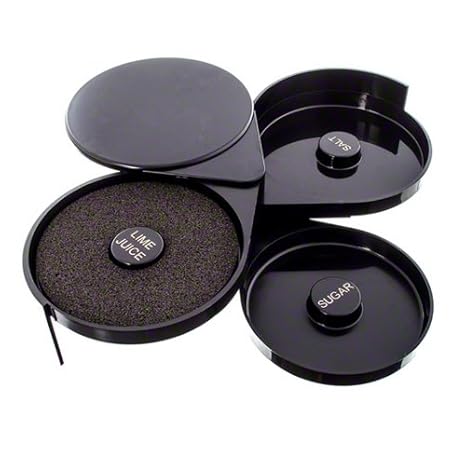
A lot of bartenders I see use a simple commercial rimmer for the sake of speed. Please don't use one of those hinged three-tiered monstrosities. The sponge they utilize to moisten the rim of the glass is rarely cleaned often enough and accumulates all kinds of bacterial growth. Also, this wets the inside of the glass as well as the outside. this is then dunked into sugar or salt which almost immediately gets mixed into the drink. and an extra half teaspoon of salt immediately being mixed into any cocktail will throw off the balance. A cool example of when you actually should have a rim on the inside is the Spanish Coffee where the sugar on the inside is actually burnt and turned into caramel which mixed into the hot cocktail.

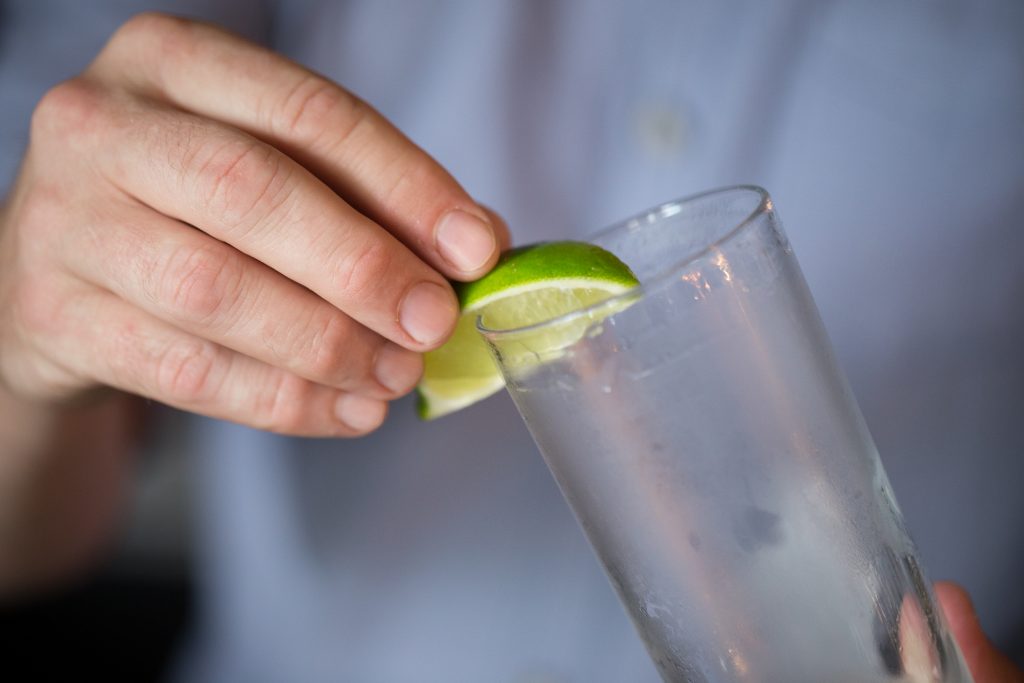
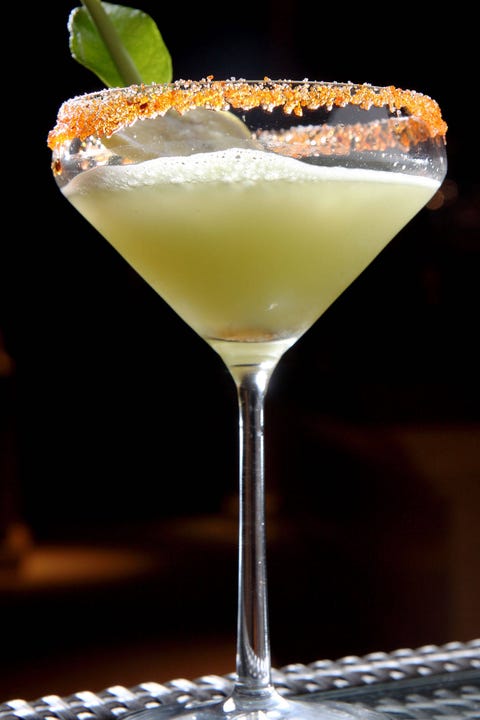
It is typically far more preferable to moisten the outside of the glass with a citrus wedge. Typically whatever citrus is used in the cocktail makes the most sense, but it's not a hard rule. A beautiful rim of salt around a margarita with a lime wedge is classic. I often use an atomizer to wet the glass. A mister filled with honey syrup was used in a few cocktails I've menued over the years. You also don't have to wet the entire rim. you can do just half or just a little decorative strip.

Fill a bowl or dish with your powdered rim of choice. Always add more than you think you'll need to guarantee a consistent coating overall.  Dunk your moistened glass into the bowl and give it a little twist in the powder. Pull out the glass and give it a little tap to break off any heavier clumps. Fill with your cocktail and you're good to go. 

It's also not unheard of to coat the rim of your glass with melted chocolate and allow it to cool into a tasty band. a lot of dessert drinks utilize chocolate. I've seen smores cocktails rimmed with chocolate syrup and crushed graham cracker dust. I've seen gold dust, gingersnap cookies, bacon salt with old bay seasoning for a Bloody Mary, and more.

Aside from the classic sugar and salt, some of my favorite rims are:

Spicy cinnamon sugar:
12 parts Sugar: 2 parts Ground Cinnamon: 1 part Cayenne Powder. Mix around in a bowl and you're good.

Smoked Citrus Sugar:
1 part bruleed citrus peels (finely minced), 2 parts sugar. Take any assortment of citrus fruits and peel them. Take a brulee torch to the peels until they dry and start to curl. Chop up the peels into a fine mince, and add your sugar. Muddle this around a bit to get out all the oil you can.

Garam Masala Sugar:
4 parts Sugar: 1 part Garam Masala (mix of cumin, coriander, cardamom, black pepper, cinnamon, cloves, nutmeg).

Green tea cocktail rim:
Matcha green tea, sugar, citric acid powder.

"You have no idea how hard it was to not make sex jokes in this post."
- Me

Friday, October 11, 2019

Juicing

Picking a juicer really depends on how much you plan on juicing. Hand juicers are fine for home use and cocktails to order but most bars need the help of something a bit more industrial. Check my post about different juicers here.

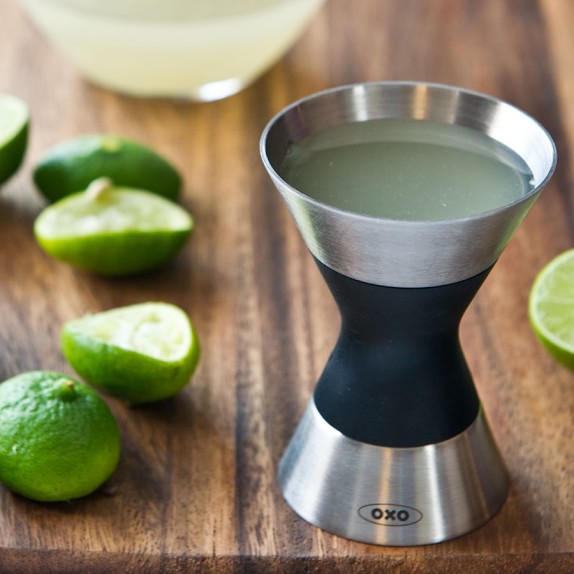
Juicing citrus is fairly simple. If the stem of your fruit is a "pole", cut the fruit in half along the equator. insert the fruit cut side down onto the juicer, be it a hand juicer, press, or mechanical. If there's an interuption you can leave the cut fruit up to 2 hours before juicing.  Apply pressure manually, or through the lever until the juice is extracted down to the pith. Juice into a china cap over a cambro. When juicing to order (a la minute) you can squeeze directly into a jigger for cocktail service. This has some drawbacks though.

I don't recommend juicing anything a la minute. every different piece of produce you juice will have different sugar and acid content. Also depending on the pulp in your juice and how you strain the cocktail, you could be getting wildly different yields. juicing in large batches and straining allows for greater consistency over the course of the shift. Some people like the pageantry of seeing the fresh juice squeezed in front of them but it does lead to less consistency overall.

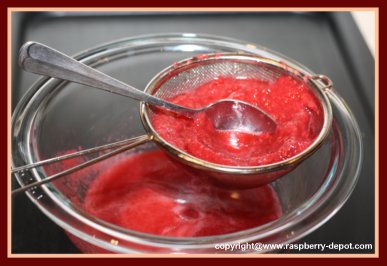
A simple way to juice berries or other soft fruits like kiwis at home is to just muddle them through a mesh strainer over a container. After you've mashed a bit, scrape out the spent pulp from the inside. This keeps the strainer from getting too clogged. The mesh will catch all the skin and seeds and the liquid will flow through. Depending on the density of the mesh you made need to filter the juice more times.

Fresh juice has a fairly narrow window for their ideal flavor. Lemons, limes, and grapefruit are delicious freshly juiced but many people think they get even more flavorful after a few hours of rest and are good up to 2 days (48 hours) later. The shelf life of oranges is a bit less forgiving. Oranges contain substances called lactones, which after juicing, develop into limonin which has a bitter flavor. Fresh is best wish oranges but you can use it up to 4 hours after without much issue.

Myth: Room temperature citrus yields more juice than cold produce.
This theory is odd. People think that the fruit sacks or cells are scrunched together and warming them up will ease the process of juicing. Some people even think that microwaving the fruit will make it possible to extract more juice. Don't do that. Everyone who has tested this has disproven this concept.  The yields are the same regardless. 

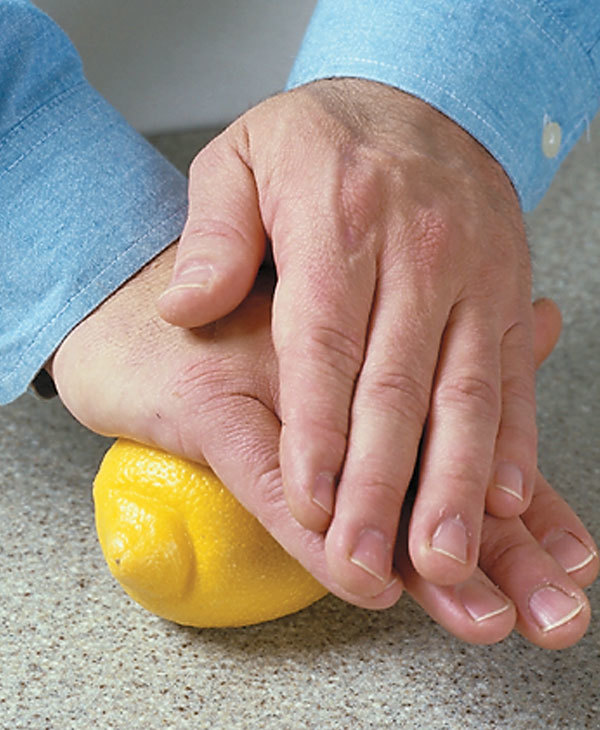
Myth: Rolling the citrus yields more juice.
This is the same silly idea. Even Jamie Oliver thought this works. No, it doesn't. People have tested it. Don't waste your time. A good press juicer extracts all the juice possible, you're not manifesting new juice.

Thursday, February 8, 2018

1990

This was my submission to the Bacardi Legacy contest in 2017. The flavors of the rum really got brought out by this classic sour cocktail. The mouthfeel is wonderful. The story is, of course, an absolute fabrication. I'm not a man with a lot of history or sentimentality. Maybe I'll learn to lie better in the future. 

1.5 Bacardi Gold Rum
0.75 Fresh Orange Juice
0.5 Brown Sugar Banana Syrup
0.5 Aquafaba
0.125 Roasted Walnut Oil
Benedictine

Add the Bacardi, orange juice, banana syrup, aquafaba, and walnut oil to a mixing tin. Dry shake until well emulsified. Add ice and shake again until well chilled and frothy. Rinse a coupe with Bénédictine. Double strain the cocktail into the coupe. Add a spritz of Benedictine on top of the cocktail for aroma and garnish with an orange twist.

Brown Sugar Banana Syrup:
Weigh a banana. Measure out equal weights of brown sugar and water. Bring the water to a simmer in a small pot and slowly add the brown sugar. Peel the banana and slice the insides and add them to the pot. Use a hand blender to puree any chunks of banana. Slice the skin of the banana and add them to the pot. Let the syrup simmer for 15 minutes, stirring occasionally. Strain through a mesh strainer several times to eliminate any chucks. Keep chilled until ready to use.

This cocktail stems from a classic birthday treat my grandmother taught my mother to make. I suppose she didn't use rum though. For birthdays in my house growing up, I remember having a party with my friends, but we'd always have a family dinner as well where the birthday boy or girl could ask for whatever meal they wanted. I'd always ask for this lovely sweet banana nut bread as a dessert. It had orange zest, brown sugar, ripe bananas, and fresh nuts. It became a tradition. These days, my family is spread out all across the country. Every once in a while I like to make a batch as best I can. I was born in 1990, but I've had many more than 27 of this delicious treat. I hope you enjoy. 

Monday, May 1, 2017

BOLS of Pears

This cocktail was a collaboration between myself and my dear friend Micah. For the first round of the Bols Around The World competition, we were required to make a cocktail that was a variant of a classic cocktail that would be drunk in the year 2025. It was a very humorous notion but one that did inspire thoughts of new techniques and the trends of today. 

2.25 oz. Pear, lime leaf Genever
3/4 oz. Dolin Blanc Vermouth
1 dash Angostura Orange Bitters
Lemon Twist

Stir all of the ingredients in a mixing glass with ice. Strain the cocktail into a coupe. Garnish with an expressed lemon twist.

Instructions for infused Bols Genever:
Preheat a water bath to 130°F/54°C. Place 8 oz. of Bols Genever, 2 Asian pears (diced), and 5 fresh kaffir lime leaves in a sealed plastic bag. Let the Bols Genever infusion cook for 3 hours. Remove the bag from the water bath and let it come back to room temperature. Strain the infusion.


Bols of Pears is an homage to the Turf Cocktail no. 2, a classic relative of the martini. Normal infusion of Bols Genever, Asian pear, and kaffir lime leaf can take up to 2 months. Using the modern cooking technique of sous vide you can infuse much faster due to heating up the infusion and having it sealed so none of the alcohol steam escapes. By the year 2025, this technique will be used more and more to create faster infusions for unique cocktails.

The unashamed sweet flavors of this cocktail while still maintaining impeccable balance is why Bols Genever has been a favorite since I discovered it. We decided on mixing it up with kaffir lime leaf and Asian pears because so many modern technologies are being created and perfected in Eastern Asia. I love how much parts of Eastern Asia continue to strive to create new ideas while maintaining customs and cultures of the past. This is exactly what Bols of Pears represents: striving for exciting cutting edge ideas while still maintaining respect for tradition.

"Always do sober what you said you'd do drunk. That will teach you to keep your mouth shut."
- Ernest Hemingway

Thursday, November 10, 2016

Hot Blooded

This was a cocktail I made for the Old Forester Old Fashioned competition. The only rule for this round was that it had to use at least an ounce of an Old Forester product. This was at WhiskeyFest Philadelphia. I figured the people judging this drink would appreciate a slightly lighter style cocktail. It was rainy weather that day. I wanted something warm. 

1 oz. Old Forester 90 proof
1/2 oz. Aperol
1/2 oz. Mulling Spice Syrup*
2 oz. Hot Rooibos Red Tea

Start by brewing 8 oz of hot rooibos tea. Add that to a tempered mixing beaker. Add 4 oz of whiskey, 2 oz Aperol, and 2 oz. Mulling spice syrup. Stir lightly to mix. Serve in 4 stemmed or handled glasses. Garnish with an orange peel with cloves. Feel free to make larger batches.

Mulling Spice Syrup:
2 tbsp Mulling Spice (mix of cinnamon chips, orange rind, allspice, and cloves), 1 tsp Fresh Ginger, 1/2 Orange (Sliced), 1/2 Lemon (Sliced), 8 oz. Water, 4 oz. Wildflower Honey, 4 oz. Demerara Sugar. Steep over medium heat for a half hour. Strain into a bottle and keep chilled. 

Like I said, I wanted to go with a nice and light cocktail that would warm the spirits of the people who had already been drinking for 5 hours at WhiskeyFest. A hot toddy was I found that my favorite tea for use with citrus flavors is red tea. In a hot toddy, you need to have a bit of spice. Cinnamon and cloves are pretty classic. I added a bit of depth to the citrus components with the Aperol, and it helped the color, too. It's a nice winter warmer style cocktail. Good to drink under the blanket on the couch. 

"Come, let us drink some tea and talk about happy things."

Thursday, July 28, 2016

Greatest Bar Conversation I've Ever Seen (NSFW)

Bars and pubs were originally almost a sort of town hall. There are many tales of the founding fathers of America planning the revolution and writing the documents we read about in grade school. Bars for most people these days are a means of cutting loose, possibly venting your problems, and having a laugh.

If you work in this industry long enough in front of the house you hear a lot of interesting conversations. I've seen first dates crash and burn. I've heard lawyers give counsel to clients. I've heard businessmen negotiate deals and a couple politicians talking shop. There have been many rousing debates ranging from "Who was the star of that movie?" to far more serious matters. There was one conversation I partook in the other day that I believe takes the cake in terms of the greatest bar conversation.

What is the best food to eat while receiving oral sex?

I can't exactly remember how this conversation wound up to its final point of debate. I know it started with the idea of the greatest sensation a person can experience, or more sensations experienced simultaneously.

There is a great comedian by the name of Dylan Moran who I've referenced a few times in my blog. He was on stage one night said, "I know you people really want. I know what everybody wants. You're thinking 'I want to be laying down on a cushion, with my mouth full of chocolate, and something lovely happening to my lower half.' that's all you want."

A more commonplace idea I hear discussed is the idea of a "Shower Beer". This is a fabulous thing which I've partaken in many times. The hot with the cold, the relaxation, it's grand. But then the idea of "Shower Beer and a Blowjob" came around. A truly epic idea, which I may or may not have experienced. This was the case at the particular bar I was in one fortunate evening. The bartender said that she was partial to cheese fries and cunnilingus, perhaps the most modern American sentence of all time.

The debate raged with a few common agreements being made. Nothing using utensils where you had to cut the food up, or anything being excessively spicy need be considered. Various styles of pizza were a favorite. The joke of 69ing was of course made. But the idea really does sort of circle around the ego boost of the activities. You're feeling like king or queen of the world, like the great caesar being fed grapes by a concubine. Sushi was popular for a few people.

A few people went the desert route with ice cream sandwiches or chocolate-covered strawberries. Someone just said a milkshake. One particularly interesting person said fondue. With cheese, we circled back around to savory. Peanut butter and jelly, lobster Mac'n'cheese bacon-wrapped shrimp, ribs, wings. I personally think wings would be too much of a distraction. Gummi bears were well received. But a favorite was fresh-baked chocolate chip cookies.

What's your answer?
What's the best discussion you've ever overheard?

Photo Credit: pxhere, pixabay

Monday, March 21, 2016

My Bar Battle Station

So I thought I would share this. This is the bar I decided to build for my new home. I started with a desk and built a simple tiered shelving system. That very quickly filled up. I needed to expand so I got a metal wire shelving system. It took a little longer but that did start to fill up. It also lacked a workstation. So I expanded.

I started with this, the Whitmor 6070-5264 Supreme 5-Tier Shelving Unit. Naturally I got it in black. I'm a bartender, it's our color. This did work well for most bottles, but some bottles with small bases might wobble or topple. Shelf liners are recommended. I opted not to use the recommended liners, like this. I opted for simple mesh plastic sheets. I bought mine online, but you can find these kinds of things at your average craft store. They're used in needlepoint. I like them because they clean very easy, are semi-flexible and allow for easy adjustment and good traction. They are also typically a bit more affordable than your branded custom shelving liners, sometimes up to ten times less expensive. This was my start.

I expanded, and it's very easy to do that with this kind of shelving. I got a second 5-Shelf Shelving Unit. This time, I found cheaper one of these. Amazon started their own brand, and it was naturally less expensive. I now had two great shelves, I decided to add a workstation shelving system, a bridge in between the two racks. I thought I'd made the station a little wider. I opted for this. I got two to make it a little more stable and add a space for tools. I am not a big wine buff but I did splurge and get a rack designed for bottles.

Here in lies a problem. Despite having all the same listed dimensions, different brands to have slightly different dimensions. It's no more than a centimeter or two at most but that really does create a big problem when trying to line up the posts with the shelves. I had to put some of the deeper shelves in the middle and the thinner ones on the top and bottom. The system actually bows out slightly in the middle. It does remain stable, though. I'd certainly recommend getting two shelves of the same brand to avoid some of this headache.

Budget wise, the 5-shelf units cost about $80. The three long bridging racks cost $15 each. So, excluding shipping, the whole bar costs a little over $200 to build. Liquor and tools are up to you.


I hate to advocate drugs, alcohol, violence, or insanity to anyone, but they've always worked for me.
- Hunter S. Thompson

Monday, February 29, 2016

Tequila 401: Evolution of a Cocktail: The Margarita

The actual origins of the margarita are very open to discussion. It's been claimed by countless bars and bartenders as their own creation. Some stories seem to be more factual or fanciful than others. I'm going off what I believe. I told my favorite story in my Tequila 301 post, in this one I'll go into a few more other plausible stories.

The Daisy
2oz. Liquor, 1 Lemon juice, 3/4 Sweetener, 1 Club Soda, 1/2 Cordial
Add all the liquid ingredients to a mixing tin with ice, aside from the club soda. Shake and strain into a rocks glass with cracked ice. Garnish with an orange slice and a cherry. 
This is a very old style of drink with very little consistency in terms of the recipe. The drink style, daisy, is very similar to that of a sour, collins, or fizz. Any liquor can be used, brandy and gin being the two most popular. Grenadine is certainly one of the most common sweeteners used, but some recipes may call for simple syrup, gum syrup, or even an orange liqueur of some type. Some recipes omit the club soda or substitute chartreuse for the cordial. as a base, try 2 oz brandy, 1 oz. lemon juice, 3/4 grenadine, with club soda and orange curacao. 

The Sidecar
2 oz. Brandy, 3/4 oz Cointreau, 3/4 oz. Lemon juice, sugar rim
Add all the liquid ingredients to a mixing tin with ice. shake and strain into a chilled cocktail glass with a sugar rim. Garnish with an orange slice and a cherry. 
This is the drink that would seem to be the most natural precursor to the margarita. While the margarita is in its core components a sour, it had to take a few steps to get there. These days the margarita is the reigning sour, a cocktail comprised of a liquor a sweetening agent and a souring agent. The sweetening agent in a margarita is typically the orange liquor, unlike the usual simple syrup. The earliest record of this drink is from 1922 as equal parts cognac, Cointreau, and lemon juice. It's a simple variation on the brandy daisy. This drink predates the margarita by at least a decade, possibly two. The margarita was just two baby steps away from this cocktail. 

The Margarita
2 oz. Silver Tequila, 1 oz. Cointreau, ¾ oz. Lime Juice
In a mixing glass add all the ingredients with ice. Shake and strain into a salt-rimmed margarita glass with ice. Garnish with a lime wheel. 
Here we have the legend, the drink that is possibly the best selling drink in America. Margarita actually means little daisy, though it is quite different from many of the original recipes in its use of lime juice over lemon. A daisy was a very common cocktail style in it's day and one can see how it influences a great many modern cocktails. The margarita is a great sour style cocktail and can easily be modified with other fresh fruit flavors. It remains a blank canvas to play with while still being absolutely charming on its own. Many people will actually take this drink up, without ice. There are no rules, 

The Frozen Margarita
2oz Tequila, 1/2oz Triple Sec, 1oz Lime, 1/2oz Simple Syrup, 8oz Ice
Add all the ingredients to a blender with ice. blend until a uniform consistency, usually about 12 seconds
This is, unfortunately, one of the many times I'll have to add a cocktail variant after the original that may actually be the version the average person is more familiar with. The recipe I gave is a great way of making fresh-tasting cocktails. With blended drinks, however, some people actually prefer drinks with concentrated lime juice or sour mix. Flavored mixes are so abundant that strawberry and mango flavored margaritas are just so easily replicable that everyone is doing it. This really is a good drink to sip on the vacation.

No matter how you enjoy your margarita, it's always nice to know a little bit of history behind it. The margarita is a canvas in its own right, but it does have its roots in other earlier cocktails. I'll never tell you what you should or should not like, but make sure you try the classics every once in a while.

- Tequila is like duct tape, it fixes damn near everything. 

Monday, February 8, 2016

Tasting: Unibroue Sommelier Collection

Today I'm going to be starting a series of posts tasting a line of products put out by a brand or corporation and bundled together to create something of a variety pack for passionate drinkers. I'll be trying beers, whiskeys, bitters, and everything in between. Today, it's the Unibroue Sommelier Collection.
La Fin du Monde
9.0% ABV, Triple style golden ale
This beer I admit to having before, many times. It was one of my earliest introductions to what I would call craft beer. When I started drinking this I saw it as very high proof compared to the normal domestic beer I was used to. This is the kind of beer that goes to your head. It has a wonderful spice to it, some dry clove. The yeast flavor is very prominent. There typically is a little sediment in the bottle but don't let that discourage you. It's the end of the world. I give this beer a 10/10. You really must try this beer.

Maudite
8.0% ABV, Strong Amber-Red Ale
After I poured this into the glass for the first time I noticed how long the head lasted. I really wouldn't go away. It's thick and malty. It's not an overly carbonated, but that foam is just stubborn. This is a nice amber. Again, there is a bit of sediment and cloudiness to this beer. The finish is nice and crisp. Inspite of the strong malty flavor you do get a little orange citrus complimenting the other spices. Despite the crispness, I don't love this beer quite as much. I give it a 7/10. Mainly because I can't think of an occasion or meal to enjoy it with. Though it is quite good. 

Trois Pistoles
9.0% ABV, Abbey Syle Strong Dark Ale
This was my first time trying this beer. The head is creamy, brownish beige, and rich. It starts fairly sweet on the tongue and finishes with a nice spiced rum finish. You pick up flavors of chocolate and spice in addition to the rum. The ABV is certainly still up there, but the creamier nature of this beer makes it a little harder to notice than in La Fin du Monde. There's a great malt flavor here. I give this an 8/10.
Don de Dieu
9.0% ABV, Triple Wheat Ale
When I think of a wheat beer I usually think of a massive glass with a lot of citrus. This is not a citrus heavy beer, and a 22 oz. wheat beer glass of that may be dangerous. Again at 9.0% ABV this certainly will bite you, especially after a tasting of the last few beers. The yeast flavor is certainly less in this than the La Fin du Monde and Maudite. There is next to no spice flavor by comparison. there are sweeter notes of honey with some vanilla and some floral and fruity components. It's described as having hints of an unfiltered sake and you can actually really see that. 7/10.

Blanche de Chambly
5.0% ABV, Belgian Witbier
As far as this tasting went, this was the beer I kept going back to in order to cleanse my palette. This is much more typical of a traditional wheat beer. It has the typical citrus feel, with some added coriander flavor. The head is light and the carbonation is akin to a champagne. It's a nice beer but feels very out of place compared to the rest of the line of products offered here. I'm actually only to give this a 5/10. It's a fine beer, but very average and with the price point you have better options. 

Ephemere Apple
5.5% ABV, White Ale Brewed with Apple Must
This really does remind me of a cider, but it's less sweet, harsher. It's made with granny smith style apples, but it is still a beer. Make no mistake about that. If a customer comes in and would like a cider, they will not be happy with this. I'm going to give this a 6/10. It's a nice drink, a decent ale, very akin to a belgian white. Unibroue has done some amazing things but this isn't amazing. Perhaps it's just not a concept I care for as I haven't had many apple beers. I doubt I'd seek this out again though.

“Isn’t beer the holy libation of sincerity? The potion that dispels all hypocrisy, any charade of fine manners? The drink that does nothing worse than incite its fans to urinate in all innocence, to gain weight in all frankness?”
- Milan Kundera