Showing posts with label Gin. Show all posts

Wednesday, May 31, 2023

Review: Roxor Artisan Gin

Color (5%): Water clear, no legs, no oils. 4/5

Nose (10%): Lovely grapefruit notes. The bitter pith and the citrus oils balance quite nicely. There is some spice coming from the juniper. This is 90-proof, but it doesn't come off as hot. Slight tannic tea notes do appear on the back end. 9/10

Palate (20%): Very clean. Nice and dry. There is almost no sweetness whatsoever on the tip of the tongue. Reflective of starting with grain-neutral spirit. It takes a second, but the citrus oil and spice start dancing in. They make themselves known without being overpowering and offensive. It's a delicate spice for a gin compared to the styles from across the pond. 17/20

Finish (10%): That is dry on the back end. Lots of punch on that first sip, especially. Though I don't often drink gin neat. A few of those cocoa nibs show their face as those fumes dissipate. Some of the tannic hibiscus notes pop up as well. 7/10

Overall Impression and Harmony (30%): It's been a while since I sipped gin neat. This is quite enjoyable. I'd love to try this with a citrus-forward tonic like Fentiman's. This also would do well in a Collins cocktail. It's easy to see the application of this gin in cocktails across the board. How would it work in a martini with some super botanical vermouth or bitters? But with some acid, this plays extremely well with others. 27/30

Retry on Ice (25%): The tea comes out a lot with a bit of ice. The citrus tempers out, and some of those earthy notes spring forth. You get the pecan nuttiness. This has helped me reevaluate my thoughts on cocktail applications. Which flavors do I want to compliment my drink design? The citrus was huge on the nose and tasted neat, but that switches to earth when well chilled. Interesting nuance and evolution. Nice. 23/25

Total Ranking: 87% Legendary, AmazingGreatGood, Fair, Average, Tolerable, Swill

Estimated Fair Price: $29
Actual Price: $32

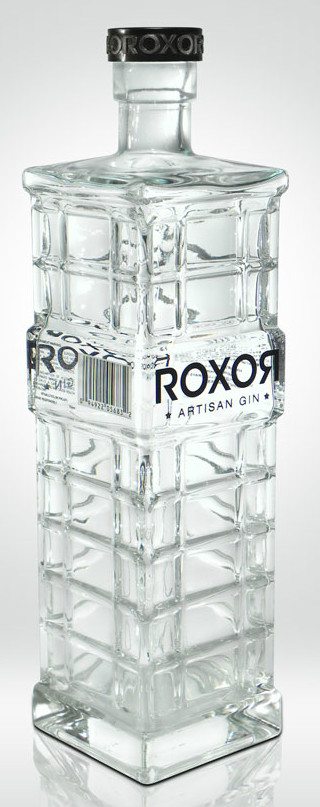
Conclusion:  This is a fun little gin I got to try on a United States Bartender's Guild trip. The New Artisan Distillery is in a cute industrial district with charming staff. The head distiller, Robert del Grande, is a James Beard-awarded chef based out of Houston despite the distillery being just outside Dallas. The flavor profile is fresh and vibrant. They openly advertise using fresh, natural ingredients in their gin and other products rather than relying on chemical extracts and concentrates. The sense of art and design showcased at the distillery and in the bottle design is truly impressive. The skyline building by Frank Lloyd Wright was a clear influence on the bottle design. In terms of the juice, it's pretty good. There's a very "American gin" vibe, being very citrus-forward and not overly spiced with juniper. This does exceptionally well for its category and is not excessively expensive. The advertisement of real plants seems unnecessary. As far as I'm aware, most small distilleries I tour use raw natural materials, though I may be a victim of marketing, I guess. This reminds me of Bluecoat and a few other American gin brands. If you're a gin drinker, I definitely recommend sampling this. Once the bottle is gone, I'm not sure if I'll restock, but I in no way regret my purchase. I'm wary of overly unique packaging as I know that cost is passed on to me. I like simple unless it's from a brand turning out high volumes of bottles they can buy in bulk. Knock the price down a few dollars, and I'd keep this in my rotation of gins. The juice is good. 

Fact Sheet:
Distillery location: Dallas, Texas
ABV: 45%

Wednesday, March 8, 2023

Good Artists Imitate

My cocktail is designed to pair with Mediterranean cuisine, primarily with a robust Italian basis. My aperitif is designed to pair with a lovely prosciutto appetizer with fig, olive oil, and balsamic vinegar. 

1 oz Tanqueray no. TEN Gin
0.125 oz Poire Williams
0.25 oz Elderflower Liqueur
2.5 oz Sparkling Mineral Water (preferably San Pellegrino)
2 small Sprigs of Rosemary
12 julienned Strips of Grapefruit Peel

Place the gin, elderflower liqueur, and Poire Williams into a wine glass. Add enough ice to fill the glass about a third. Add the rosemary and julienned grapefruit peel and give a quick stir. Fill the glass with ice and add the sparkling mineral water. Stir again to distribute all the ingredients evenly and beautifully. Add a straw and serve

To make julienned grapefruit peel, carve off a couple swaths of grapefruit peel with a y peeler about 3 inches long. Then, use a knife to cut the swathes into thin strips. Conversely, you may use a julienne peeler, but they have a habit of getting jammed. 

One of my favorite flavor pairings is grapefruit with rosemary. Rosemary pairs incredibly well with pork and oily flavors, and I wanted to start with a dry cocktail to contrast the more decadent tastes of this first course. The extra citrus kick of Tanqueray no. TEN is a natural choice for an aperitif, given its botanical profile. The citric acid and carbonic acid of the sparkling mineral water help cut through the richness and help to stimulate the palate for the upcoming meal. Pear and fig are natural complimenting flavors that go with pork and have a mild floral component that pairs with elderflower and chamomile. I enjoy complimenting flavors with contrasting sweetness regarding food and drink pairing.

Thursday, September 29, 2022

Review: Callisto Botanical Rum

Color (5%): Water clear, slightly higher viscosity. 4/5 

Nose (10%): Yeah, that smells like gin. Not like a pine tree, but that citrusy botanical quality is huge. Bergamot, cardamom, and citrus peels. There are no licorice notes, no real pepperiness, and slight white floral notes. 9/10

Palate (20%): Quite dry, albeit the sucrose flavor is there. It's gin but with a few undertones. It reminds me of some gins I've had using honey as a base or apples. It doesn't have the pepperiness of most gins, but as a "botanical gin," this hits the mark. 17/20

Finish (10%): The spice character lingers for quite a while. But it's pretty dang clean. Not nuanced, but lingering and clean 7/10

Overall impression (30%): This is a non-juniper-forward, sugarcane-based gin. This is not a rum on the palate. Rum is sweet, it is dry, it is robust, it is nuanced. There are fruity notes in rum and floral. Rum can taste like cognac or whiskey, but when it tastes like gin, it's so mild that distillate belongs in the flavored spirit category. That's not a bad thing. I genuinely enjoyed this, but it's not a rum. Based on the marketing, I'll be docking points from an otherwise rather high score. 22/30

Retry on Ice (25%): That gets a bit hotter with ice. The spice and the booze hit more, for sure. Certainly a step down. 16/25

Total Ranking: 75% Legendary, Amazing, Great, Good, Fair, Average, Tolerable, Swill

Estimated Fair Price: $42
Actual Price: $39

Conclusion: The story could be more impressive. A Bermuda gentleman moved to California to have rum be taken seriously. It's not really the ambassador I'd expect, but the product is on point. For use in cocktails, this is a gin or akvavit substitute. I am curious to see how it fits in many classic gin drinks. But you wouldn't put this in a daiquiri and call it a daiquiri. A few tiki cocktails could be given some exciting nuance from this spirit, but they would differ from their standard. That all said, I do like this. It's tasty and well-made. The marketing/labeling could be more straightforward. It's a fantastic talking point bottle, and creative types can easily find inspiration for new cocktail inventions. 

Fact Sheet:
Distillery Location: Petaluma, CA, USA
ABV: 40%, 80 proof
Ingredients: California-sourced botanicals, a blend of charcoal-filtered rums from Trinidad and Nicaragua

Tuesday, October 6, 2020

Love isn't all coke and roses

The term "Love is not all wine and roses" is a common idiom I heard growing up as people waxed poetic, knowing little about love, wine, or flowers. It may have derived from a poem by Ernest Dowson, which referred to "the days of wine and roses: out of a misty dream." The great Tim Minchin has a lyric in one of his songs: "Love is not all wine and roses, sometimes it's handcuffs and cheese." I like that version the best. 

1 oz Fords Gin Officers Reserve
0.75 oz Cocchi Rosa 
0.5 oz Agwa
1 barspoon Lime Acid Solution
10 drops Crude Sycophant Orange and Fig Bitters

Stir all the ingredients together with ice and strain into a cocktail glass. Garnish with an orange twist flower. 

Agwa is a liquor with the prominent flavor of coca leaf, the base used to produce Cocaine. The additive's illegal elements have been removed (where they went, I don't know). There is an invigorating spice kick to this herbaceous liqueur and cocktail. 

Perhaps I overstep here, but I had two bottles of Agwa kicking around and thought the name was funny. I do not partake in anything implied in this drink and discourage anyone from participating in unlawful behavior. But if music, TV shows, and other media are allowed to poke fun at a subject matter, why can't other artistic expressions. I even drank an energy drink named Cocaine, though they did get shut down in some countries. I doubt I'll get any big liquor companies dying to advertise this drink on their own media, but I hope the concept inspires somebody to make something they wouldn't have thought otherwise. Eat and drink the weird stuff. Traditions exist, and you can get by simply following them. But we live in an age where everything everywhere is available to just about everyone if you are willing to pay the shipping costs. Have a laugh

Wednesday, September 30, 2020

Death By Aperitif

This was a brunch cocktail I threw together for the spring/summer menu for my old job at Royal Boucherie. I was actually quite proud of this at the time. That particular restaurant cited the cocktail's creator on their menu, and it was great saying, "That's my drink," when people would come in and order it. And it's great to see your name in print.

0.5 oz. London Dry Gin, Tanqueray
1 oz. Aperol
0.5 oz. Lillet Blanc
0.125 oz Absinthe (about 1 barspoon)
2.5 oz Sparkling Wine, Prosecco if available

Add all the ingredients aside from the sparkling wine to a mixing vessel. Fill a small wine glass with ice and add the sparkling wine. Dump the rest of the cocktail over the top and garnish with an orange twist. 

The cocktail combines a Death in the Afternoon and an Aperol Spritz with a little dash of French 75. Both utilize sparkling wine and are delicious midday cocktails. The herbaceous character of the liqueurs and fortified wine compliments the botanical nature of classic gin. The sweetness is light but present. This might differ from that traditional bottomless style cocktail people are used to with brunch, but a slow burn works with many brunch dishes. 

Monday, September 21, 2020

What a Pear

I don't rightly recall the occasion I first made this drink. But it remains absolutely delicious, and any time I have all the ingredients on hand, this is one of my go-to martini builds. It's a beautiful fruity martini with notes of white flowers and pear. 

1.5 oz. Ford's Gin
0.5 oz. Grey Goose La Poire
1 oz. Alessio Bianco Vermouth
2 dashes Hella Co. Orange bitters

Add all of the ingredients to a mixing tin with ice. Stir until well chilled, approximately 18 seconds. Strain into a chilled coupe. Garnish with a lemon twist.

The inspiration for this cocktail came from my dear friend Catherine Manning. Her drink of choice is always a 50/50 martini with Bianco Vermouth. Alessio recently came to our shelves in Pennsylvania and has been gaining notoriety. I wanted to highlight the flavors, bringing a bit of pear and notes of white flowers with the vodka and gin. A bit of citrus oil balances it out, and we have a martini that stays bright and playful any day of the week. Cheers.

Photo Credit: Micah Messinger

Monday, April 27, 2020

Dream Maker in the Sky

This is one of the many drinks I came up with for the Chilled Toast the Industry competition. It was a brilliant idea to have a contest during the quarantine. Bartenders made up to 50 unique cocktails for this one, using a vast range of spirits from 10 brands. Scapegrace is an interesting gin from New Zealand, and I love any gin that does a Navy Strength. 

1 oz. Scapegrace Gold
0.5 oz. Luxardo Bitter Bianco
0.5 oz. Triple Sec (Combier)
1 oz. Fresh Lemon Juice
0.5 oz. Simple Syrup (1:1)
1 Large Egg White
Orange Bitters

Add all the ingredients aside from the bitters to a shaker tin without ice. Dry shake vigorously, add ice, and hard shake even more vigorously until the drink is chilled and foamy. Strain into a chilled coupe glass. Add a few drops of bitters on top of the foam for garnish and aromatics.

This started as a navy-strength Negroni Sour, but I really wanted to bring out the lemon, orange and dried tangerine in the gin. The vermouth got swapped for orange liqueur. Luxardo Bitter Bianco has always acted as a better balancing agent for softer flavors than the more aggressive Campari or Suze. Also, it gives a pretty white color you don't see in many cocktails. "Dream Maker in the Sky" comes from a song called "No Hopers, Jokers, and Rogues." A Scapegrace is a rogue. It fits.

"Come all you no-hopers, you jokers and rogues
We're on the road to nowhere; let's find out where it goes
It might be a ladder to the stars. Who knows?
Come all you no-hopers, you jokers and rogues."
- Fisherman's Friends

Friday, January 17, 2020

Cockney Stairs

This was my entry for Bombay Sapphire's Most Imaginative Bartender competition a few years ago. I just never got around to posting it. It really is just a touch of English time in a cocktail. Not the most imaginative thing I've ever done but it is a pretty tasty drink. It's definitely better as a batched drink. 

1/8th Honeycrisp Apple
1/8th Red Delicious Apple
1/8th Bartlett Pear
1/8th Starkrimson Pear
15 Black Peppercorns
5 Cardamom Pods
4 Allspice Berries
1 Star Anise Pod
1 1/2 oz. Bombay Sapphire
1/2 oz. Raw Honey
4 1/2 oz. Hot Water
1 1/2 oz. Whole Milk

Using a mortar and pestle, pulverize the peppercorn, cardamom, allspice, and anise. Dice the apples and pears. Bring water to a boil. Add 4 1/2 oz. of the water and all the other ingredients aside from the milk and gin to a french press coffee maker. Stir lightly and apply the cap. Froth the milk using a steamer or motorized frother. Add the gin to an Irish coffee glass. Once the cocktail has steeped for approximately 2 minutes strain the cocktail into the glass. Top with the frothy milk.

The inspiration for this drink was a trend I've seen in coffee shops repurposing their tools. I've seen coffee shops use a milk steamer to make hot chocolate and even small servings of mulled wine. The heat helps the infusion process and aromatics. A go-to nightcap of a friend is boiling water, with a lemon peel, and just a touch of gin. I decided to take the flavors just a little further with some juicy, sweet, and floral apples and pears along with some spices. Adding some warm milk turns this drink adds a touch of British heritage, softening out any intense edges that may have over intensified in the infusion process, as if you were having a nice midday tea. 

The name come from cockney rhyming slang where one would use phrases like "Apples and Pears" to replace works like "Stairs". There is some peculiarity in that the phrase "Apples and pears" became so widely known to people who didn't understand cockney slang it's actually fallen out of fashion. 

Excerpt from Austin Powers Goldmember:
Nigel: Don't you remember the crimbo din-din we had with the grotty Scots bint?
Austin: Oh, the one that was all sixes and sevens!
Nigel: Yeah, yeah, she was the trouble and strife of the Morris dancer what lived up the apples and pears!

Sunday, November 10, 2019

Gin 402: Dissecting a Cocktail: 101 ways to Martini

Someone walks into your bar and asks for a martini. What do you make them? The following are 12 examples of the classic drink. this showcase should run the gamut of what this drink can be. There are a couple variables that aren't directly measured like how many olives do you want in your dirty martini but pish. P.s. Please don't drink all of these in one sitting. It's actually a lot of fun to batch them all up and do 6 1/2 ounce pours of them to really learn your own palette and tastes.

50/50 Martini
1.5oz. Plymouth Gin, 1.5oz. Dolin Dry Vermouth, 1 dash Orange Bitters, Garnish: Lemon Twist
Add these ingredients to a mixing glass. Stir until well chilled (about 30 seconds). Strain into a chilled cocktail coupe and garnish with a twist of lemon.
This cocktail is actually much closer to the historical Martini recipe than any other drink on this list. The others are substantially more alcohol forward, which became a bit of a trend in the 60s, nearly a century after its likely invention. This recipe showcases how vermouth can add beautiful delicate flavors to the cocktail and let you enjoy yourself without getting too plastered. Finding a balanced ratio between the two main ingredients is truly a matter of personal preference. Some people go classic with a 2:1 ratio of gin:vermouth. Others like 5:1, 8:1, or even 1:2, with more vermouth than gin. Nothing is set in stone.

Churchill Martini
2.5oz. Beefeater London Dry Gin, Garnish: Olive
Stir gin with ice while glancing at an unopened bottle of dry vermouth. Olive garnish
This was indeed how the legendary British Prime Minister ordered his cocktail. He kept it purely British, no French or Italian spirits tainting his gin. Boozy for sure. Fun fact: also how Eggsy took his Martini in the film Kingsman: The Secret Service. A simple riff on this recipe is the In-and-Out Martini. No, not the west coast burger joint. Simply rinse a chilled martini glass with around a quarter ounce of vermouth, coating the glass. Then dump it out. Strain in your chilled gin (or vodka), and bang, gin with essence of vermouth.

Vodka Martini, Shaken not Stirred
2.5oz. Vodka (I recommend Ketel One), 0.5oz. Martini Dry Vermouth, Garnish: Olive
Add your ingredient to a three-piece shaker with ice. shake until chilled (8-10 seconds). strain into a chilled martini glass. Garnish with an olive on a pick. 
Yes, we're going the James Bond route. Well, rather the Sean Connery route. There's some debate as to how this drink became so popular. This was how bond ordered it in the 6th book "Doctor No", which was the first Sean Connery film. But Bond had invented and drank countless other drinks throughout the many books. I'm sure someone has counted them. This drink is unnecessarily watered down and likely has air bubbles and ice shards floating around in it. Perhaps the weaker drink allowed Bond to retain his composure for longer while on the job. This texture is desirable to some but rather uncommon in spirit-forward drinks which could be stirred allowing for a silky clean feel. Some people think that it does make it colder and easier to drink quickly. Up to you, my father likes them.

Diamond Martini
2.5oz. Vodka (I recommend Ardent Union), 1 dash Martini Dry Vermouth, Garnish: Lemon Twist
Batch up these ingredients together. Store them in the freezer until it's as cold as possible. Pour into a chilled martini glass when ready. Garnish with a lemon twist. 
This is the exact opposite of the last Martini. It's all booze, chilled down cold as possible and served with no dilution. It feels like booze. Dilution is a crucial component of every cocktail. Eliminating the water that naturally mixes with the drink creates an imbalance. Feel free to use a 100 proof vodka to really drill the extremes of this example. Or just stick a bottle of Everclear in the freezer. Some people genuinely do just like drinking cold vodka without dilution or mixer, but I find that is a fairly regional preference.

Dirty Martini
2.5oz. gin, 0.5oz. Dry Vermouth, 0.5oz. Spanish Olive Brine, Garnish: Bleu Cheese Stuffed Olive
Add these ingredients to a mixing glass. Stir until well chilled (about 30 seconds). Strain into a chilled cocktail coupe and garnish with a bleu cheese olive on a pick.
There is a lot of debate about when people started garnishing the martini with olives rather than a twist. According to a story on NPR, a Syrian bar owner in Paris wanted to show off the fruit of his homeland and started sticking them in drinks and it caught on. the added salt and vinegar which was used to store and preserve the fruit created an amazing depth to the otherwise fairly light flavor. I prefer bleu cheese olives personally but it's common to find olives stuffed with garlic, pimento, or other peppers to add some different spice character to the drink. Some people will also use olive juice in place of brine, or even run olives through a centrifuge to extract the essential oils (please make sure these are food safe before purchasing/ingesting).

Perfect
2oz. Tanqueray Gin, 0.5oz. Noilly Prat Dry, 0.5oz. Noilly Prat Sweet, Garnish: Lemon Twist
Add these ingredients to a mixing glass. Stir until well chilled (about 30 seconds). Strain into a chilled cocktail coupe and garnish with a twist of lemon.
This is a sort of step in between the Martini and the Martinez. The drink calls for sweet and dry vermouth. It injects a lot more fruit character into the drink. I don't like an overly complicated and botanical gin for this drink. Tanqueray is famous for having only 4 botanicals which make it less likely to have a clash with any of the ingredients in the vermouth you're using. Feel free to mix and match your ingredients for this one, and all of the other cocktails as well. 

This should have given you a full understanding of what the martini can be in every respect. No two people like their martini's the exact same way. Though obviously, not everyone has had a martini every way you can possibly make it. At least none who have survived. A martini is a very personal thing. Have a conversation with your guest. What spirit? What brand? If they want any vermouth, and how much? What garnish? Ordering a martini means you have to talk to your bartender, eventually they will learn your tastes and make it your way every time. Even then, it's still fun to try new ingredients and ratios to see how your tastes change over time. I would never make the martini I make for myself at home for a random guest at a bar. Who knows? Maybe one of you can make me a drink even better than how I make them for myself. Two people have done it for me so far and it made my life all the better. 

Monday, May 1, 2017

BOLS of Pears

This cocktail was a collaboration between myself and my dear friend Micah. For the first round of the Bols Around The World competition, we were required to make a cocktail that was a variant of a classic cocktail that would be drunk in the year 2025. It was a very humorous notion but one that did inspire thoughts of new techniques and the trends of today. 

2.25 oz. Pear, lime leaf Genever
3/4 oz. Dolin Blanc Vermouth
1 dash Angostura Orange Bitters
Lemon Twist

Stir all of the ingredients in a mixing glass with ice. Strain the cocktail into a coupe. Garnish with an expressed lemon twist.

Instructions for infused Bols Genever:
Preheat a water bath to 130°F/54°C. Place 8 oz. of Bols Genever, 2 Asian pears (diced), and 5 fresh kaffir lime leaves in a sealed plastic bag. Let the Bols Genever infusion cook for 3 hours. Remove the bag from the water bath and let it come back to room temperature. Strain the infusion.


Bols of Pears is an homage to the Turf Cocktail no. 2, a classic relative of the martini. Normal infusion of Bols Genever, Asian pear, and kaffir lime leaf can take up to 2 months. Using the modern cooking technique of sous vide you can infuse much faster due to heating up the infusion and having it sealed so none of the alcohol steam escapes. By the year 2025, this technique will be used more and more to create faster infusions for unique cocktails.

The unashamed sweet flavors of this cocktail while still maintaining impeccable balance is why Bols Genever has been a favorite since I discovered it. We decided on mixing it up with kaffir lime leaf and Asian pears because so many modern technologies are being created and perfected in Eastern Asia. I love how much parts of Eastern Asia continue to strive to create new ideas while maintaining customs and cultures of the past. This is exactly what Bols of Pears represents: striving for exciting cutting edge ideas while still maintaining respect for tradition.

"Always do sober what you said you'd do drunk. That will teach you to keep your mouth shut."
- Ernest Hemingway

Thursday, July 28, 2016

Milk Punch: Italian Flavor

So, this is my fourth attempt at making milk punch and my third success. For the record, this post is in no way an exact recipe with a glorious final product. It is a process I've been playing with and am still honing. That said, this was a pretty tasty drink. I first heard of the concept when I was in New York City for a bartending conference with the USBG, United States Bartender's Guild. I was actually truly fascinated by the process. It was captivating seeing clear liquid come out of that filter when it started with so many opaque. Let's start with the ingredients and tools you'll need:

Ingredients:
6 1/2 oz granulated sugar, 3 - 4 Lemons depending on size, 3 - 4 Limes, 2 Tsp Crushed Pepper, 1/2 tsp Cracked Black Pepper, 1 bag Rooibos Tea, 1 bag Mint Green Tea, 3 sprigs Rosemary, leaves of 3 sprigs of Sage, 1/16 oz. Thyme, 1/2 tsp dried Marjoram, 1/2 tsp dried oregano, 3 oz. Amaro del Capo, 9 oz. Gin, 20 oz. Milk

Tools:
Mixing bowl, muddler, measuring spoons, measuring cup, at least 2 large pots buckets or bowls, a chinois, enough cheese cloth to line the chinois 4 times over (I used 28 x 24 thread count), and lastly a means of bottling the final product

The start to any good punch, in my opinion, is an Oleo Saccharum. Peel two large lemons and two large limes and all your dry ingredients. For the tea bags tear them open and dump them in. The oils and the flavors from the herbs, leaves, and peels will be pulled out by the dried ingredients in a form of osmosis. Everyone has different feedback about how long this process takes. It, of course, depends on the recipe. Some people say that for a standard oleo is takes up to 72 hours to achieve full osmosis. This can be reduced with fancy cryo-vac machines, which I do not own. I only let this sit for 6 hours.

The next step does help infuse the flavor a little faster, though. Add 8 oz of boiling water to the bowl. This is how we make tea. Hot water infused much faster than cold, and much faster than osmosis between the flavors alone. the point is adding all this to the final product so we need to pull as much flavor out as we can without diluting too much. Let this steep, covered, until it settles down to about room temperature. Strain the whole contents of the bowl to a large pot. Rinse the bowl with some of the alcohol to collect any flavors or undissolved sugars. Add 4 oz of lemon juice and 4 oz. lime juice. Stir this around to make sure it's uniform. Next, comes the risky part. 

The milk. Start by heating it and bringing it to a near boil. If it starts to boil, take it off the heat immediately. Trust me it gets messy. Add the hot milk to the pot. The mixture should start to curdle. If it doesn't curdle well, add more citrus. Stir it around a little to let it all bind. You could put this in the fridge and then skim off the curds. I'm told using cheese cloth is not only faster but certainly more reliable at getting all the particulates out. Line the inside of the chinois with several layers of cheesecloth and clamp it to the rim. The more volume you can fit the better. Pour the punch through the strainer. Naturally, have a bowl or a bucket under the strainer to catch it.

The first part of the run will come out slightly cloudy as the curds fasten themselves into the cloth. Once it starts running clear, start cycling the liquid back into the strainer. the more you keep cycling it the cleaner the product will be. Yes, this process does take some time, several hours. I tend to cycle it back in once the flow slows to being drop by drop. Usually, it takes about 3 to 4 full runs. It takes ages the to get those last few drops out. One it's effectively done, take the cloth and lightly squeeze it over another bowl. If it comes out fairly clear, drink it, if you're getting a cloudy liquid out, you can still drink it but it might not taste great if you're getting curd. Next, I just funneled the good stuff into a bottle and stuck it in the fridge to chill. Serve with ice and drink up. You can also cut it with soda, sprite, or sparkling wine. I made my batch over a week ago and it tastes exactly the same. The shelf life is effectively infinite. 
The final product is a clear liquid with a slightly golden brown tint. It is a very herbaceous cocktail. The rosemary and black pepper pop as flavors and it leaves the mouth feeling dry. The alcohol is not too dominant. The dryness does not make it a drink you could drink for hours on end like some of my other punch batches. but it is tasty. The infinite shelf life granted by this process is ideal for a fancy drink you'd have once in a while. Stick a bottle in the fridge and have some every now and then.

“Drinking just to get drunk is like having sex just to get pregnant.”
- Robert Hess

Wednesday, July 29, 2015

The Yellow Blur

This was an interesting little cocktail I created. Technically it's the first cocktail I've ever made that actually won a competition. At a guild luncheon that was hosted by Ruffino Prosecco, they decided to pit us in something of an Iron Bartender Competition. They divided us guild members up into 5 teams and told us to make 2 cocktails per team, one on the rocks, and the other served up. We were given free reign of the bar at Stratus Lounge. Many teams tried to come up with a game plan, but our team took a totally different approach, a more playful one. We all just hopped behind the bar and started making drinks. I started with a sort of orange French 75. It was a good drink but a bit boring. My friend Dan was working on a sort of strawberry smash. As the five of us were playing around we would taste each other's drinks and give feedback. In the end, Dan turned his into our up cocktail and I switched mine to a collins style drink with a little chartreuse zing. 

3/4 oz. Bombay Sapphire
1/2 oz. Yellow Chartreuse
1/2 oz. Cointreau
1/2 a Peeled Orange
1/4 oz. Simple Syrup
Ruffino Prosecco

Peel an orange and tear away about half the slices. Add the slices and all the ingredients except the prosecco to a mixing tin with ice. Shake very vigorously to break up the orange. Strain into a collins glass filled with ice. Top with prosecco and garnish with a lemon wedge.

This cocktail took quite a bit of ingenuity. Toward the end of the time limit, all the tools seemed to disappear. I had been fresh squeezing juice from halves of oranges for all of my experiments but when the clock was ticking I couldn't find a juicer, or a knife for that matter. I just said, "I'm doing this like in grade school." I used my thumbnail and peeled off the skin, tore off half the orange and chucked it into a tin. The ice they had at Stratus was good and dense so I knew it would do the job pulverizing and juicing the orange. I originally planned to double strain this to make for a clean presentation, but they were counting down the seconds as I wrapped up and a mesh strainer was nowhere to be found. I wound up just using a Hawthorne strainer which filtered the big chunks of pulp but left a few bits. This actually made the drink a lot more fun. I made it again later by double straining and I don't think it was as good. The pulp added a feel of scratch made lemonade and I think made the drink feel lower proof and more drinkable. The pulp floating around the drink in the bubbles is actually partly what inspired the name of this drink. Though the name takes an indirect reference to a Ron White bit. 

"Tiny bubbles. In the wine. Make me feel happy. Ah, they make me feel fine."
- Don Ho

Photos by Bry Guy of dumbartender

Sunday, July 12, 2015

Gin 201: The Different Botanicals

Juniper Berries
This is what gives gin that note of Christmas trees. All gins have to use juniper in order to be called gin. This goes way back to when gin was first invented and they started modifying the recipes from Dutch genever. Legally Juniper has to be the predominant flavor. That rich pine flavor actually comes from the fruit of the evergreen tree. Well, not really a fruit, but a seed or conifer cone. It also has slight notes of lavender and occasionally a touch of heather. Juniper is a very potent flavor and gins that are too juniper-forward tend to be very off-putting to the average drinker so a rounded, balanced gin is much more preferable for most distillers.

Cassia Bark
Cassia Bark is a close relative to cinnamon. Many people find that cassia has a slightly more delicate flavor though. It again comes from a breed of the evergreen tree this time originating in the south of China. Many gin makers source their cassia from other countries like Indonesia, Thailand. India, and Vietnam. Chinese Cassia does remain the most common. In gin, the freshly dried bark is typically ground to release as much of the flavorful oils as possible. Cassia bark supposedly is also good for blood pressure.

Angelica Root
Angelica root, sometimes known as wild celery, is grown widely in Northeast Europe. It does have its roots in the celery family, no pun intended but has a more woody vanilla smell. It blooms as a many-headed flower and is often harvested in the winter months. Angelica is rarely a dominant flavoring component; it is more being used as a balancing agent to bind the harmonies of various oils together. It does add a slight earthy tone but it more about providing a balance. Angelica is also used as medicine to fight viruses and bacteria.

Orris Root
Orris is really just a part of the Iris flower. This isn't used in the vast majority of gins but it is a fairly common component in more floral gins. Flavor wise it is very similar to violets. Tragically, due to its allergenic nature orris root was banned in many parts of Europe and the US, though this ban is mainly for cosmetics and scents. In gin production, the flower is harvested in late summer and made to dry a couple years before being ground. As with most gin ingredients Orris root has been used in medicine, in this case, it's helpful with sore throats and as an anti-inflammatory.

Coriander
Coriander is the seed of the cilantro plant, also known as Chinese parsley or dhania. The entire cilantro plant is edible, stem seeds and leaves, but the vast majority of gin producers only use the seed. The flavor of the leaves and seeds are similar in a few regards but really have completely different profiles. It's worth mentioning that coriander seeds if consumed in severely high doses, can act as a narcotic. This goes away during gin production though. Coriander is probably the second most botanical in gin actually. Its flavor is a blend of citrus and sage. Its aroma is very akin to rose actually. Coriander in olden times was used to fight flatulence and arthritis.

Grains of Paradise
Grains of paradise are native to West Africa and Ethiopia. This area became known as The Pepper Coast. Grains are actually the seeds of a member of the ginger family. It's also known as Melegueta pepper, alligator pepper or Guinea pepper. These are often used in medicine as stimulants. The flavor is of course quite spicy and peppery, but the aroma is a bit more floral than your standard black pepper. Several centuries ago it was actually more common to use grains of paradise in cooking than pepper. Its use in gin was actually briefly banned in England for tricking people into thinking that the spirit was stronger than it really was.

Cardamom Pods
Cardamom is actually a member of the ginger family. It's native to southern India and is very hard to grow and cultivate aside from very hot climates like Tanzania and Guatemala. It is thus also one of the most expensive spices. 5000 years ago it was used in tooth cleaners and perfumes. Cardamom is widely used in South Asian cuisine, namely curries. There is black cardamom and green cardamom. Black has an almost peaty, smokey flavor while green is more floral, like the eucalyptus. Cardamom is a very warm flavor, slightly sweet, but very pungent.

Citrus Peel
The oils from lemon and orange peels are used very regularly in gin production. Almost everyone knows the flavor of citrus and it's very easy to place a citrus heavy gin. A fun fact is that the aroma molecules of a lemon are the mirror opposite of those of an orange. Citrus oils are great for a number of healing factors. It's good for the skin and also acts as a mild sedative, anti-inflammatory, and diuretic. Citrus was also used to fight scurvy which made it almost a necessity among British naval sailors, who popularized the gin and tonic. Another useful aspect of citrus is that it's helpful as a cleaning agent. That's right, lemon Pledge actually has a reason to be lemon scented. This actually makes a distillers job easier as the tanks don't get as dirty when citric acid is in the gin.

Other botanicals may include lemongrass, black peppercorn, cucumber, rose, cubeb berries. anise, licorice, almonds, grapefruit, chamomile, sarsaparilla, nutmeg, saffron

"The intense perfumes of the wild herbs as we trod them underfoot made us feel almost drunk."
- Jacqueline du Pre

Photo Credit: Wikimedia, Pixabay

Sunday, May 10, 2015

Berry JAMboree

This was a cocktail I created for the BOLS Around The World Competition. The goal being to create a truly memorable low alcohol cocktail. The only rules were that the drink had to use no more than 1/2 oz. of 80 proof spirit, that the drink had to use at least 1/2 oz of BOLS liqueur, and that the drink not exceed 12% ABV. It was actually a lot of fun playing with this drink. Low alcohol meant that I could actually try more than 3 of my drinks a day. 

1 Egg White
1 oz. Lemon Juice
3/4 oz. Strawberry Liqueur
1/2 oz. Gin
1/2 oz Blueberry preserves
1/2 oz. Simple Syrup

Add all the ingredients to a shaker without ice. Dry shake vigorously. Once blended, add ice and shake again. Double strain into a cocktail glass and garnish with a split strawberry. 

This drink really didn't have any inspiration. This was my first time using jam or preserves in a drink. Blueberry really adds a lot of color to the drink. I tried it with egg white to thicken it up and it really does feel like a smoothie. The strawberry garnish is great because once the guest is done drinking they can use the berry to soak up any foam that was left clinging to the glass. The final alcohol by volume of this drink would be a little under 9.6% depending on ice melt

"Now is the time for drinking, now is the time to make the earth shake with dancing."
- Horace

Friday, March 13, 2015

Vodka 301: Let's try some Vodka Cocktails!

Vodka, it pays the bills. Bartenders pour it chilled as shots or martinis. We'll serve it warm with rye or pumpernickel bread to sniff and pickles to eat. Some of you may have seen this, either in House of Cards or another medium. Russians would drink vodka in a way even more bizarre than how people would drink tequila. Give it a try sometime; you get a bit loopy. Eat some oily food, clink your glasses, empty your lungs, do the shot as you breathe in, smell the rye or your armpit, eat your pickle, laugh loudly, wait five minutes and repeat. Na Zdorovie!

Cosmopolitan

1 1/2 oz. Vodka. 1/2 oz. Cointreau, 1 oz. Cranberry, 1/4 oz Lime
Add the ingredients to a cocktail shaker with ice and shake until well chilled. Strain into a chilled cocktail glass and garnish with an orange twist or lime slice.
While I'm not personally a fan of Sex and the City, there's no denying the popularity of this drink. It seems to have come about in the '70s in the gay neighborhoods of Provincetown Massachusetts. At the time, it was not exactly the symbol of class and elegance it is today. Don't get me wrong, Provincetown is beautiful and the people are very friendly. But gay bars in the '70s were not exactly brimming with fresh juices and premium spirits. It was arguably Dale Degroff who revitalized the cocktail at the Rainbow Room in New York City. Madonna was photographed with the cocktail and it's been a staple cocktail in a bartender's repertoire. Sex in the City certainly also boosted the popularity of this drink among the national population. 

Vesper
3 oz. Gin, 1 oz. Vodka, 1/2 oz Lillet Blanc
Add the ingredients to a cocktail shaker with ice. Shake it until it's ice cold. Strain into a champagne coupe. Garnish with a large slice of lemon peel. Got it?
As many of you probably know this is the drink that James Bond ordered in Casino Royale. It is certainly a bit dominant on the gin side, but it is a classic spin on the martini. There's a lot of speculation as to why the drink was ordered this way. "Just a moment. Three measures of Gordon's, one of vodka, half a measure of Kina Lillet. Shake it very well until it's ice-cold, then add a large thin slice of lemon peel. Got it?" James bond is a man who knows what he wants. He said he only drinks one drink before dinner, but he likes it large, strong, cold, and well made. Sean Connery adapted this to be a vodka martini shaken not stirred. 

Moscow Mule

2 oz. Vodka, 1/2oz fresh lime juice, 3 oz. Ginger Beer
Add the ingredients to a copper mug with ice. Garnish with a lime wedge.
This drink was created in 1941 in Los Angeles by a partnership between a ginger beer producer, Cock 'n' Bull, and a liquor distributor trying to popularize vodka in America as it had just been introduced to the United States after World War 2. In the fifties, there was a massive vodka craze. Prohibition ended not twenty years before and world war 2 less than a decade. People liked the easily mixable liquor and started mixing it with virtually everything. Smirnoff claims to be the original vodka for a Moscow Mule. They actually host a competition as to who can redesign the Moscow Mule every year. 

White Russian
1 1/2 oz. Vodka, 3/4 oz. Kahlua, 3/4 oz. Cream
Add the vodka and Kahlua to a rocks glass with ice. Gently float some cream on top and stir lightly with a sip stick.
The Dude abides. This drink came about in the '60s as a simple variation to the Black Russian. a white Russian is just a black Russian with the addition of cream. The drink really has nothing to do with Russia aside from the fact that the dominant ingredient is vodka. In the classic 1998 cult comedy film The Big Lebowski, the lead character, The Dude as played by Jeff Bridges, drinks White Russians. The fan base of the film is truly devoted so much so that they have even created a religion, Dudism, with 200,000 ordained Dudist priests. Given the devotion of the fan base, it's natural that The Dude's signature drink be given a rise in popularity. 

Special mention to: appletini, sex on the beach, martini, screwdriver, vodka collins, bloody mary

"If you want to be happy, be."
Leo Tolstoy

Photo Credit: Wikimedia, pixabay

Saturday, February 21, 2015

Sakura

The name Sakura means cherry blossom or cherry blossom tree. Naturally the name has been used in many an anime. There are characters named Sakura in Naruto, Get Backers, Street Fighter, Pokemon, and many other manga and films. There's even a popular anime called Cardcaptor Sakura, and a slightly less popular one simply called Sakura. The name tends to symbolize blooming and maturing with time. They can symbolize clouds. They bloom quickly and suddenly and die a quick death. Partly for this reason, in World War II, the image of a cherry blossom was used as national propaganda to instill Japanese pride. They were even painted on the sides of kamikaze planes. 


1 oz. Gin
1 oz. Sake
1/2 oz. Lemon juice
1/4 oz. Grenadine
1/4 oz. Cherry Heering
2 dashes cherry bitters

Add all the ingredients to a mixing tin with ice. Shake vigorously and strain into a chilled cocktail glass. Garnish with a brandied cherry or an edible flower.

I had in my head a flavor profile I wanted to try to create. I wanted a botanical feel as well as a sweetness of a light berry. I tinkered and tinkered with different ingredients. I tried Creme Yvette, acai liqueur, shochu, soju, flavored vodka, and everything felt too dominant or tart. I decided that gin alone created a good floral feel to the drink, but the proof was too high to make it a really dominant ingredient. In the liqueur store, I saw a gorgeous bottle of sake in a lovely pink hue that reminded me of the flowers. All that was left was the berry sweetness and color. Cherry Heering added the berry note but wasn't quite sweet enough and the color was a bit dark. Most people think grenadine is cherry juice anyway and it did add just the right touch of sweetness. 

This was just a cocktail I decided to make up. There are actually several signature cocktails around the globe that take the name sakura, or cherry blossom, like this, this, this, and this.

"I want to do to you what spring does with the cherry trees."
- Pablo Neruda

Thursday, December 25, 2014

Gin 401: Dissecting the Gin and Tonic

I once read that some Japanese bartenders and bar enthusiasts regard the gin and tonic as the face of the bar. Some students of mine may remember a few stories I told featured in this manga: Bartender. The story I'm referring to, however, takes a slightly less melodramatic approach than the first chapter. This chapter explains how every little detail of a Gin and Tonic affects how it ends up.

Ice:
  • What is the water source? Is it filtered or purified?
  • Is it machine made or natural?
  • How clear or cloudy is the ice?
  • What is the size of the chunks?
  • What shape are they?
  • How many pieces do you use?
Ratio:
  • Do you keep it 2:1 or go a bit stronger or weaker?
Gin:
  • What brand do you use?
  • How much do you use?
Tonic:
  • Do you use a syrup or go prepackaged? 
  • What brand do you use?
  • How much do you use?
Mixing:
  • Do you just build it in the glass?
  • Do you stir the cocktail?
Garnish:
  • What garnish do you use?
  • How do you cut it?
  • Do you extract any juice or flavor from it?
  • If so, do you add another bit for presentation


Most places, of course, use machine-made ice and it's typically not the largest size. Typically the glass is filled. The Gin, more often than not is whatever the customer requests or whatever is in the well. The tonic is often dispensed by the gun, Schweppes is the most common brand. Most bartenders don't mix it and just slide a lime wedge on the side, maybe a sip stick as well.

Try this drink with harder ice.
Try different gins. Bombay Sapphire East has a nice peppery note. Bluecoat is more citrusy
Schweppes is quite sweet. Try something citrusy or herbal like Fever Tree or Fentimans
See if your guests stir their G&T's. Some like keeping things separate.
Try squeezing in your juice or use the skin oils on the rim, or use some cucumber or lemon grass

For my new guests, I make my G&T's like this:
A tall thin highball glass is filled with hard, large, cubed ice
Add 1 part Tanqueray gin and then carefully float 2 parts Fentimans tonic water on top
Place a lime wedge (1/6 lime) on the rim of the glass and slide in two sip sticks
This is for a number of reasons. Hard ice melts much slower than cubed ice so the drink waters down slower. The guest can wait for there to be more water if they want. Tanqueray is a very popular gin but remains quite well rounded, not very citrusy or herbal. Fentimans is a nice herbal change of pace not everyone is used to. This is where I sort of make my mark. A guest will usually note something fairly unique about this and either smile curiously or require something sweeter or more acidic. I layer it so the guest has the choice of how to drink it. Some guests prefer sipping the gin straight through the straw and sipping the chaser from the rim. The thin glass helps keep the fluids separate as well. The lime I offer, and if the guest discards it I know not to offer it again. If they drop it in or squeeze it in I learn more about their tastes, that they like some acidity.

For myself, I usually make my G&T's like this:
A large rocks glass with a clear massive king cube that I crack with a bar spoon, maybe two. 
Add 1 1/2oz Bombay Sapphire East and then float 2oz Fever Tree Indian Tonic
Squeeze a lime wedge in, discard it, and put another one on the rim, take a sip stick and stir
I know I like my Gin and Tonics mixed. My choice of product has a nice Indian spice to it, in the gin and the tonic water. The cracked ice gets it cold quickly enough but will melt more to my liking at the end of the drink. I like to linger with my drinks and I like some variety in a drink. It starts with a nice spice and a dash of citrus and slowly gets easier to sip as I stir and the ice melts. If I want I can take the lime and zazz up the drink if it gets dull at all. 

"I exercise extreme self-control. I never drink anything stronger than gin before breakfast." 
-W. C. Fields

Photo Credit: wikimedia

Tuesday, December 16, 2014

Gin 301: Let's try some Gin Cocktails!

Gin is actually an ideal ingredient to play with in cocktails. Most gin cocktails are kept pretty simple. Gins already have an array of flavors about them, from botanicals to citrus flavors and even cucumber. Gin can be enjoyed on its own but can also be complemented by so many other flavors and ingredients. 

Martini
2 1/2 oz. Gin, 1/2 oz. Dry Vermouth, olives
Add the ingredients to a mixing glass. Add ice and stir smoothly. When well chilled, strain into a chilled martini glass. Garnish with an olive on a pick.  
The martini, of course, is the quintessential gin drink. Just two or three simple ingredients in a unique glass and you have yourself an icon. The ratios of this drink have changed a lot over the years. The original Martini was actually 1 part gin and 1 part vermouth. As premium spirits became more and more popular the amount of vermouth decreased. It actually got to the point where people would do drops of vermouth in their martinis. Some people, like Winston Churchill, actually take no vermouth in their martinis. These days people tend to average about 1 part vermouth to 6 parts spirit. 

Negroni
1 oz. Gin, 1 oz. Campari, 1 oz. Sweet Vermouth
Add the ingredients to a mixing glass. Add ice and stir smoothly. When well chilled, strain into a chilled martini glass. Garnish with an orange twist.
The Negroni is actually a hundred years old, almost exactly, according to many historians. It was named after an Italian Count who spent time in America as a cowboy and gambler. He would order these drinks when he returned to Italy. It's a very nice aperitif style cocktail. It opens the palette up to enjoy a full meal to come. It's a handy reminder of how other cultures enjoy multi-course meals. Drinks and food are served in waves. We open the palette, we pair with food, and we close on a high note. 

Tom Collins

1 1/2 oz. Gin, 3/4 oz. Lemon Juice, 3/4 oz. Simple Syrup, club soda
Shake the gin, sugar, and lemon juice with ice and strain into an iced Collins glass and fill with soda. Garnish with a cherry and orange slice.
The Tom Collins apparently got started as a part of a joke. It was named partly after the popularity of Old Tom Gin. The main thing was the joke popularized by Americans telling people that there was a guy named Tom Collins who saying talking smack about you at the bar. People would go to the bar wanting to start a fight and would instead be greeted by a crisp refreshing drink. The drink itself originates back in London where a gin punch was just topped with some fizzy water. These days, many people see it as an adult sparkling lemonade. 

Gin and Tonic
1 part gin, 2 parts tonic
In a highball glass full of ice, add the gin, then the tonic. Garnish with a lime wedge.
The G&T is a great staple that probably got started in the British Navy around India. Malaria was a huge problem for such tropical regions. The quinine in tonic water is a natural prevention method for malaria. Straight quinine is a bit unpalatable. Soldiers took to adding lime to it which improved the flavor and also helped fight scurvy. Gin was actually designed as a medicine. Gin was actually rationed out to soldiers and the concoction made sense. 

Special mention to: Aviation, gimlet, gin fizz

Photo Credit: Needpix, wikimedia

Sunday, November 16, 2014

Beginner's Flight: Gin

This is going to be a series of posts about how to start sampling different types of spirits if you are a beginner drinker. What's the difference between bourbon, scotch, and Irish whiskey. How is London dry gin different from American or Indian made gin? The best way to figure out what you like is to go out and try things. With so many options out there I thought it would be nice to give newbies a jumping-off point into their world of spirits. I'm trying to find bottles that are available at nearly every liquor store or can be tracked down easily enough. Today, I'm talking about gin. 

To a novice drinker, they might think that all gins are the same, but when you think about it gins are as diverse as flavors of vodka. Any martini drinker will tell you their favorite gin. And they do have a favorite, due to its specific flavor profile and mouthfeel. Different gins from different regions tend to be flavored with different styles of botanicals.

1. Tanqueray.
 

Tanqueray is one of the oldest gins in production today. It's been around 180 years. It is one of the most juniper prevalent gins on the market today with less than a handful of other flavoring agents. This is very much a pure form of what gin's history was. The juniper does come through in a big way which many purists love.

2. Bluecoat. 
Bluecoat is an American made gin. It's made right in Philadelphia with their local waters. I suppose that's not the best selling point but people like supporting local products. Many beginning gin drinkers like this gin because it has a very strong citrus note. The new flavor of juniper isn't very appealing to a lot of the younger crowd, but the citrus from the lemongrass is a bit more accessible.

3. Bombay Sapphire East. 
Bombay does a large range of gins. Bombay Sapphire East is actually inspired by old Indian recipes with a bit more of a spice to it than the more botanical London Dry Gins. This uses peppercorns to add flavor. It pairs very nicely with some Fevertree Indian Tonic Water. This makes for a very fun tool to use in some new and classic cocktails.

4. Hendrick's.
 

Hendrick's gin is actually Scottish made. This gin actually uses some unconventional flavoring agents. It has strong notes of cucumber. This is a very playful gin that does kind of break the mold a bit as to what people are used to and has thus become a favorite ingredient for bartenders across the globe. The Hendricks Negroni is a real fan favorite. Some do prefer a more floral or fruity gin, but Hendrick's is certainly worth giving a shot.

Special mentions to: Beefeater, Aviation, Plymouth

"I like to have a Martini, two at the very most; three, I'm under the table, four I'm under my host!"
- Dorothy Parker

Photo Credit: Wikimedia, pikrepo

Tuesday, October 21, 2014

The Gin Lifestyle

Gin has been associated with old women for a while in my opinion. Mothers, doctors, and protectors are the ones who drink gin. Gin in this day and age has a fairly distinct flavor, especially to the young drinker. It's nothing too revolutionary. This may be an oversimplification, but it's essentially it is just the original vodka infusion, flavored with juniper and assorted other botanical notes. The flavors and process are what give it these associations in my view.

Botanicals are often used as medicines and remedies. Coriander, cassia bark, angelica, licorice, grains of paradise are all common flavoring agents of gin. Coriander helps with a variety of digestive issues and can ease joint pain. Cassia cinnamon lowers blood sugar, helps with nausea, and some people use it for sexual aid. Angelica is used to help circulation and increases appetite. Licorice eases sore throats and coughs. Juniper, the dominant flavoring component of most gin is used as medicine to treat digestive health, cure urinary tract infections, and help with kidney stones. Of course, alcohol itself is used for a variety of medical issues. Doctors to this day recommend a bit of wine to help the heart. There was a case I heard of a man who was prescribed a bottle of whisky (Johnie Walker Black Label) to cure his blindness caused by formaldehyde poisoning. The article can be found
here. Ethyl alcohol is used all over, and in some developing nations, they improvise and use it to fight a lot of poisons and bacteria.

The quintessential gin cocktail is the gin and tonic. Tonic, of course, is synonymous with medicine. The cocktail was introduced by the British navy to help fight malaria which was prevalent around India. The typical lime garnish was also a common cure for scurvy.

Gin has something of a dry, bitter flavor. You may not associate any particular alcohol with medicine and I urge you to change your thoughts on this. In fairness, alcohol is a poison. But we use chemotherapy as a treatment and that is really just a poison fighting another poison. Alcohol is the same way. Gin is the greatest example of this, alcohol blended with a variety of other medicines. It's oldest history goes to a dutch physician who knew that juniper drinks were already being used by patients to calm nerves and settle stomachs. 

This is going to be a part of a series I'm doing about how different spirits appeal to different cultures and personalities. Check out my other posts on Rum, Tequila, Whisky, and other liquors and liqueurs. Much of what I'm posting has been opinion, much of it generalized and is not meant to be thought of as fact.

No quote today but enjoy this video: https://youtu.be/wDIiPIJmXcE

Photo Credit: Pikrepo