Showing posts with label Lemon. Show all posts

Friday, June 30, 2023

Tornado through the Haystacks

I've used this recipe for a few competitions, and it's always treated me well for preliminary rounds. This started with Diageo World Class but became a go-to at my regular summer gatherings. Most of my friends are whiskey drinkers, and in Texas, it's hard to drink whiskey outdoors in the summertime. You need to proof it down and make it a bit more refreshing. My drink is a lovely blend of oil, smoke, salt, and spice. That sounds like barbeque to me. Come over sometime. I'll make you a plate. 

1 oz. Talisker 10 Yr Scotch
0.5 oz. Cocchi Rosa
0.25 oz. Citric Acid Solution
2.5 oz. Sparkling Mineral Water (preferably Topo Chico)
Julienned Strips of Lemon Peel

Add the scotch, vermouth, and acid solution to a mixing beaker. Peel an entire medium lemon with a julienne peeler (or use a Y peeler, then julienne with a small knife). Add a third of the lemon peel strips to a highball glass. Fill the glass halfway with ice cubes (preferably transparent), then add another third of the lemon strips. Completely fill the glass up with ice cubes and top with the last of the lemon peel. Add ice to the mixing beaker and briefly stir to chill the ingredients. Strain the drink into the prepared highball glass and top it with sparkling mineral water. Add a straw and serve. The final presentation of the drink should have dozens of little strips of lemon peel floating in suspension around the glass.

To make citric acid solution: 
Mix 94g filtered water with 6g citric acid and mix until the acid is dissolved and the liquid becomes clear.

I recently moved to Texas, and you know the first thing I did with my brother-in-law? We cooked brisket and drank some scotch. That's what you do down here. But barbeque takes a long time, and you can only continuously drink whiskey for some hours to smoke a good chunk of meat. Low and no-alcohol cocktails are a great way to keep cool while you're out in the Texas heat standing over a hot smoker. I love pairing whiskey with meat, especially a whiskey with a nice note of saline. Talisker has a beautiful flavor of the sea and the Isle of Skye. Talisker also has a pleasant oiliness that still comes through in this drink. It stacks with all the oil in the lemon peel gets accentuated by the saltiness, and gets carried throughout the glass via carbonation. The highball, like barbeque, started off incredibly simple in concept. Many people regard highball as a broad category, but historically, it's Scotch and Soda. Barbeque is just meat, smoke, and seasoning. Using the finest ingredients with the most straightforward techniques is how you make excellent cuisine. Barbeque needs to be low and slow to get to that fall-apart tender quality all the way through. A highball must be as cold as possible to keep its carbonation and not become overly diluted.  

Fun Fact: We would not have seltzer or soda water were it not for the fourth Earl of Sandwich. The man accredited with popularizing slices of meat between bread was the backer of chemist Joseph Priestly. The Earl commissioned Priestly to create a method of forcing carbonation into water. He thought it might work as a cure for scurvy. Priestly succeeded in impregnating water with air and is credited as the father of the fizzy drink.

Thursday, October 29, 2020

Milk Punch : Indian Spice

This is a specialty punch recipe I made for my darling friend and regular of mine, Ragini. She gave me a lovely medley of Indian spices and peppers. We decided she wanted a scotch-based punch with lemon as the citrus and a good amount of spice. That last part is tricky as the clarification process strips away much of the heat from peppers. 

Ingredients:
1 cup Demerara Sugar, peel of 3 lemons, 1 tsp Ancho Chili Powder, 1 Poblano pepper (stemmed, w/ seeds, dried), 10 dried red chili peppers (whole), 1 stick cinnamon, 1 tsp Garam Masala, 8 oz. water, 6 oz scotch, 8 oz lemon Juice, 3 oz. Ancho Reyes, 2 oz. Campari. 10 oz. Milk

Tools:
Mixing bowl, muddler, measuring spoons, measuring cup, at least 2 large pots, a chinois, enough cheesecloth to line the chinois 3 times over (I used 28 x 24 thread count), and lastly, a means of bottling the final product

As with any good punch, we start with some Oleo Saccharum. Peel 3 large lemons and all your dry ingredients. Muddle until well mixed and the spices are broken down. The oils and the flavors from the herbs and peels will be pulled out by the sugars and other dried ingredients in the form of osmosis. For this batch, I let it infuse for about 36 hours.

To make sure we pull as much flavor off these solid components, we add 8 oz of boiling water to the bowl. Let this steep, covered, until it settles to about room temperature. Strain the whole contents of the bowl into a large pot. Rinse the bowl with the scotch to collect any flavors or undissolved sugars. Add the remainder of the ingredients aside from the milk.

Now, we start the clarification process. Start by heating the milk and bringing it to a near boil. If it starts to boil, take it off the heat immediately. Add the hot milk to the pot with all the other ingredients. The mixture will curdle. If it doesn't curdle well, add a little more citrus. Stir it around a little to let it all bind. Line the chinois's inside with several cheesecloth layers and clamp it to the rim. Pour the punch through the strainer over another pot or bowl.

The first part of the run will come out slightly cloudy. Once it starts running clear, cycle the liquid back into the strainer. The more you keep cycling it, the cleaner the product will be. I usually cycle through about 3 times. It takes ages to get those last few drops out. I leave it overnight; just ensure it's wrapped in saran wrap or something to keep bugs out. Next, I funneled the clear punch into a bottle and stuck it in the fridge to chill. Serve with ice and drink up. 

The final product is a transparent liquid with a red tint. It is a nice spicy cocktail. There isn't quite as much smoke as I was hoping.

It's a very herbaceous cocktail. The rosemary and black pepper pop as flavors, making the mouth dry. The alcohol is not too dominant. The dryness does not make it a drink you could drink for hours, like some of my other punch batches. But it is tasty. The infinite shelf life granted by this process is ideal for a fancy drink you'd have occasionally. Stick a bottle in the fridge and have some every now and then.

Photo Credit: Flickr

Friday, September 25, 2020

Talisker, Taste of the Sea, Cocktail flight

This was my submission for Round 2 of USBG World Class, sponsored by Diageo. The concept was to assemble a flight of three cocktails, one fully fleshed out as a recipe with precise measurements. The other two cocktails could be submitted as loose concepts. There were several themes to pick from


To make the Mignonette cocktail, add 1.5 oz. Talisker 10-year-old, 0.25 oz. Pimm's, 0.25 oz. Apple Cider Vinegar, 0.25 oz. Demerara Sugar Syrup (2:1), 0.25 tsp Smoked Paprika to a mixing tin. Add ice and shake well. Double strain into a 4.5 oz rock glass without ice. Garnish with a wedge of lemon placed on the side. Serve.

The flight will be presented as three cocktails in rocks glasses inserted into a bed of crushed ice in a metal bowl, like oysters or other seafood from the raw bar. 3 Lemon wedge garnishes also sit on the ice to allow the guest the option of additional citrus. It is meant to reflect a seafood tower/sampler platter presentation. There is no required order to sample the cocktails; in fact, sipping back and forth between all three is the recommendation. If pushed, I suggest the scallop cocktail as a first sip, followed by the kipper cocktail, and the oyster cocktail as the third. Bouncing back and forth between each is encouraged to allow a fun mix of smoke, oil, different acids, sweets, and spices.

Talisker comes from the gorgeous windswept Isle of Skye. It is famous for its salinity balanced with medium smokiness (around 20 ppm). I wanted to take that smoke and salt, standard through so many fish dishes, and pair it with a few personal favorites: smoked kippers, oysters, and scallops. Oysters and mignonette immediately came to mind as I've drunk Talisker from an oyster shell more times than I can count. Pimm's was also invented in an oyster house, so it was a natural fit. Smoked Kipper is a classic breakfast from the UK and one of my favorite running jokes from the epic sitcom "Red Dwarf." In the 2015 Malt Whiskey Yearbook, Dominic Roskrow even describes the nose of the 10 Year as "Grilled oily fish in lemon oil." The Storm adds a bit more smoke, reflecting the smoked fish better. I needed a lighter, delicate cocktail to play with scallops for the third. A mild fortified wine and a bit of orange zest really highlight the soft citrus note of the Talisker 10 Year. I hope you enjoy it.


Saturday, September 5, 2020

Philadelphia Fish House Punch Jell-O Shots

So, during quarantine, I found myself missing the dive bars most of all. I can make all kinds of craft cocktails at home and have been doing much of that. Friends are sharing their recipes, and it's fun trying these fantastic ideas, but the atmosphere is what I miss. I miss the silliness, the laughs, the community, everything. My regular bar, Garage Bar North, always had Jell-O shots made up behind the bar. I'd probably have an average of at least one a week. That and Pickle Backs. I decided to make some Jell-O shots at home. Yes, there's the standard spec of a pack of Jell-O with half water and half vodka, but let's improve on that. 

3.5 oz Plantation O.F.T.D. Rum
2.5 oz Remy Martin VSOP Cognac
2 oz Fresh Lemon Juice, strained
0.25 oz Simple Syrup (1:1)
1 pack Peach Jell-O
8 oz Water

Boil water and add the pack of Jell-O. Stir until dissolved and uniform. Add the remaining ingredients and stir again. Pour into serving cups. Chill in the fridge overnight. My baking tray holds 15 2 oz cups perfectly, so that's how I divide it, at just a bit over 1 oz per shot. Feel free to divide and scale it however you like, but about 1 oz is suitable for a Jell-O shot. 

This really is a pretty good representation of the classic punch recipe. The cocktail typically had peach brandy and crushed ice. I upped the ratio of brandy to accommodate, and the peach flavor from the Jell-O is an adequate substitute. Like the ice dilution, the water used to dissolve the gelatin powder helps soften the drink. This drink still uses 69% ABV rum (excellent), so it's got a fun little kick in there for you. 

Jell-O shots should taste like Jell-O and not just be a drink given consistency from gelatin sheets. Plenty of experts and chefs might disagree. But I've had calvados gelee and the like at some great restaurants as a side to a dessert, which is good, but I'd never order a cube of that when I'm bellied up to the bar. Jell-O shots are fun and fake, nostalgic and silly. They can be delicious, too, but they must be kind of fake to give the guests what they want when ordering a Jell-O shot. Just an opinion.

Monday, April 27, 2020

Dream Maker in the Sky

This is one of the many drinks I came up with for the Chilled Toast the Industry competition. It was a brilliant idea to have a contest during the quarantine. Bartenders made up to 50 unique cocktails for this one, using a vast range of spirits from 10 brands. Scapegrace is an interesting gin from New Zealand, and I love any gin that does a Navy Strength. 

1 oz. Scapegrace Gold
0.5 oz. Luxardo Bitter Bianco
0.5 oz. Triple Sec (Combier)
1 oz. Fresh Lemon Juice
0.5 oz. Simple Syrup (1:1)
1 Large Egg White
Orange Bitters

Add all the ingredients aside from the bitters to a shaker tin without ice. Dry shake vigorously, add ice, and hard shake even more vigorously until the drink is chilled and foamy. Strain into a chilled coupe glass. Add a few drops of bitters on top of the foam for garnish and aromatics.

This started as a navy-strength Negroni Sour, but I really wanted to bring out the lemon, orange and dried tangerine in the gin. The vermouth got swapped for orange liqueur. Luxardo Bitter Bianco has always acted as a better balancing agent for softer flavors than the more aggressive Campari or Suze. Also, it gives a pretty white color you don't see in many cocktails. "Dream Maker in the Sky" comes from a song called "No Hopers, Jokers, and Rogues." A Scapegrace is a rogue. It fits.

"Come all you no-hopers, you jokers and rogues
We're on the road to nowhere; let's find out where it goes
It might be a ladder to the stars. Who knows?
Come all you no-hopers, you jokers and rogues."
- Fisherman's Friends

Monday, January 20, 2020

New Blood

This is a cocktail I made for the Make It Exotico Competition. It's a lovely balance of sweet, bitter, and sour. It's fairly low alcohol by volume compared to a lot of my other cocktails. Nothing too complicated or fancy. All the ingredients are readily available at any liquor or grocery store. cheers. 

1 1/2 oz. Exotico Blanco
1/2 oz. Cynar
1/2 oz. Grapefruit Juice
1/4 oz. Fresh Lemon Juice
1/2 oz. Agave Nectar
3/4 oz. Blood Orange Soda

Add all the ingredients aside from the soda to a mixing tin with ice. Shake until well chilled. Double strain into a large rocks or collins glass with ice. Top with the blood orange soda. Garnish with a quarter slice of grapefruit.

Upon recent reflection, I'm starting to see why this kind of cocktail doesn't garner much attention. It's not incorporating some exotic juice or homemade syrup or liqueur. That said it's actually pretty tasty and very easy for a home bartender to whip up at home or even batch into a punch.

"They drew first blood!"
- Frank Reynolds

Monday, January 6, 2020

Garden of the Butterflies

This was the first cocktail I got on the menu at my old job at Royal Boucherie in Old City, Philadelphia. It was a staple on the summer cocktail menu and stayed there for a bit over 3 months. It was a lovely, refreshing floral take on a margarita. 

1.5 Tequila
0.5 Lemon Sage Shrub
0.5 Fresh Lime Juice
0.5 St Germain
Butterfly Pea Tea

Add the tequila, shrub, juice, and liqueur to a shaker tin. Shake with ice and strain into a highball glass filled with crushed ice. Top with butterfly pea tea.

To make Butterfly Pea Tea:
Add 24 flowers to a quart container. Fill the container with boiling water. Let that sit for 3 minutes. Strain out the flowers and press them to extract all the tea.

To make Lemon Sage Shrub:
Slice a series of lemons into a fish tray with the skin on. Cover the lemons with white sugar equal to the weight of the lemons in layers, making sure to thoroughly coat the lemons on all sides. Toss in one sprig of sage for every 2 lemons. Let that sit overnight to extract the oil from the lemon skin. Add champagne vinegar to the mixture in equal weight to the lemons and sugar. Muddle the lemons slightly to extract the juice. Add the mixture to a pan on low heat. Muddle and mix until the sugar is dissolved and the liquid is uniform. Run through a chinois and mash the solids to extract all the liquid possible. Store in an airtight refrigerated space.

The inspiration for this really came out of nowhere. My fiance loves very citrusy cocktails. I wanted a citrusy floral cocktail. I played with gin at first, but tequila or sotol really made the drink pop a bit more and stand out from some other generic floral gin cocktails. The pea tea adds a bit of tannin, but the real selling point is the color. We had some St. Germain branded glassware, which made this cocktail look just like a flower and its stem. It happened a lot where I would make one of these, and it would catch the eye of someone at the bar, and then that's 3 more drinks to make.

"We must cultivate our own garden. When man was put in the garden of Eden he was put there so that he should work, which proves that man was not born to rest."
- Voltaire

Friday, October 11, 2019

Juicing

Picking a juicer really depends on how much you plan on juicing. Hand juicers are fine for home use and cocktails to order but most bars need the help of something a bit more industrial. Check my post about different juicers here.

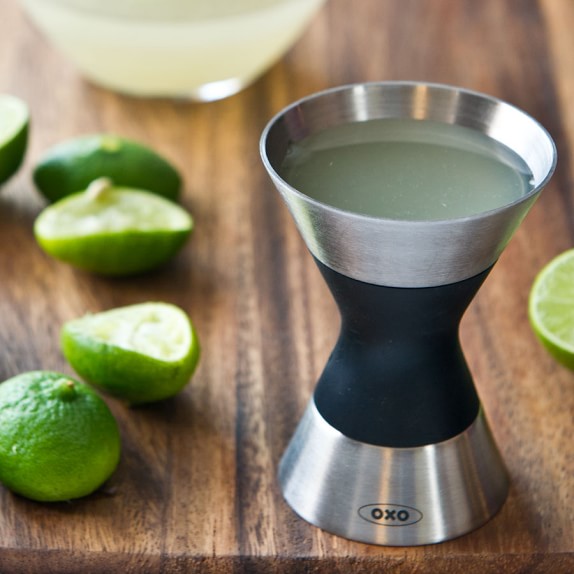
Juicing citrus is fairly simple. If the stem of your fruit is a "pole", cut the fruit in half along the equator. insert the fruit cut side down onto the juicer, be it a hand juicer, press, or mechanical. If there's an interuption you can leave the cut fruit up to 2 hours before juicing.  Apply pressure manually, or through the lever until the juice is extracted down to the pith. Juice into a china cap over a cambro. When juicing to order (a la minute) you can squeeze directly into a jigger for cocktail service. This has some drawbacks though.

I don't recommend juicing anything a la minute. every different piece of produce you juice will have different sugar and acid content. Also depending on the pulp in your juice and how you strain the cocktail, you could be getting wildly different yields. juicing in large batches and straining allows for greater consistency over the course of the shift. Some people like the pageantry of seeing the fresh juice squeezed in front of them but it does lead to less consistency overall.

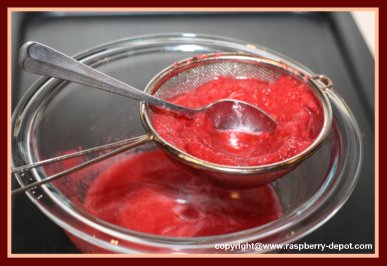
A simple way to juice berries or other soft fruits like kiwis at home is to just muddle them through a mesh strainer over a container. After you've mashed a bit, scrape out the spent pulp from the inside. This keeps the strainer from getting too clogged. The mesh will catch all the skin and seeds and the liquid will flow through. Depending on the density of the mesh you made need to filter the juice more times.

Fresh juice has a fairly narrow window for their ideal flavor. Lemons, limes, and grapefruit are delicious freshly juiced but many people think they get even more flavorful after a few hours of rest and are good up to 2 days (48 hours) later. The shelf life of oranges is a bit less forgiving. Oranges contain substances called lactones, which after juicing, develop into limonin which has a bitter flavor. Fresh is best wish oranges but you can use it up to 4 hours after without much issue.

Myth: Room temperature citrus yields more juice than cold produce.
This theory is odd. People think that the fruit sacks or cells are scrunched together and warming them up will ease the process of juicing. Some people even think that microwaving the fruit will make it possible to extract more juice. Don't do that. Everyone who has tested this has disproven this concept.  The yields are the same regardless. 

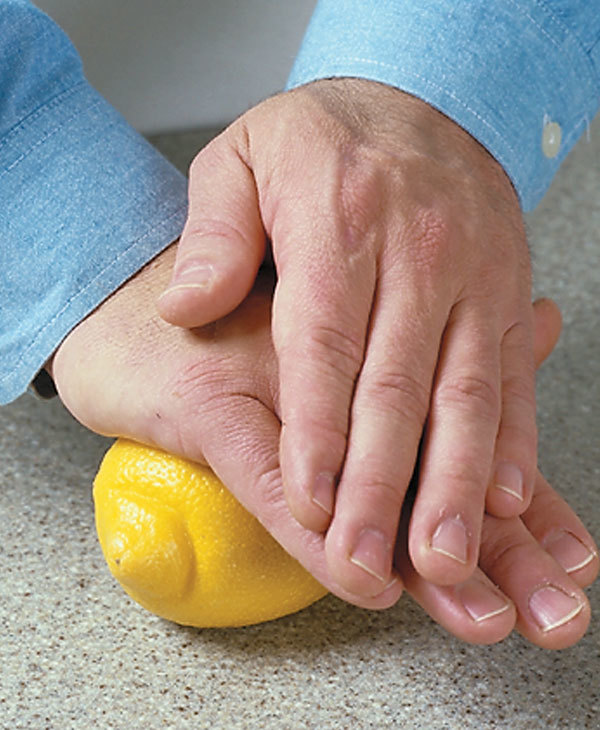
Myth: Rolling the citrus yields more juice.
This is the same silly idea. Even Jamie Oliver thought this works. No, it doesn't. People have tested it. Don't waste your time. A good press juicer extracts all the juice possible, you're not manifesting new juice.

Thursday, September 26, 2019

Juicers

Hand presses or clamshell or elbow juicers are the most common type of juicer I see in the home and are also found in some cocktail bars which utilize al la minute juice service. friendly reminder that when juicing halves of fruit they go flat side down, not conforming to the bowl shape of the press. Cut Side Down! Older styles had a flat base to match and no holes for drainage of juice, simply a pour spout on the side to dispense the fresh juice. Newer styles have a curved bowl to cause the half-cut citrus to partially flip inside out along with holes at the bottom to allow it to dispense into a tin or other receptacle. An issue with these style of juicer is the variable size of citrus and you'll most likely need a different one for lemons, small limes, and larger oranges and grapefruit. Material is important when purchasing. plastics can break easily some metals are much more difficult to clean than others, especially when scuffed after extended usage. Amco is a good durable metal brand. Norpro is a bit more expensive but many experts swear by it. Chef'n Force does a good job and alleviates strain on the wrist but does have a shorter lifespan I've found.

Standing levered presses are very popular in homes and in bars with a fresh juice program in medium but not excessive volumes. There are two main types, those with gears and teeth and those with a hinged concept that acts more like a scaled-up hand press. Hamilton Beach is the most common brand of the former and has become quite affordable. At volume, these do tend to break down after a few months, but they work amazingly well for home use. The parts can't practically be replaced and tuned other than some simple cleaning and oiling. Ra Chand is a fine example of the latter. It also has a much longer shelf life and requires less care, cleaning, and maintenance. It is a little clunky to operate, especially on a high bartop.

Motorized Reamers are widely utilized by bars juicing high volumes of juices. these are certainly more expensive but they do last substantially longer, making up for the cost in the long run. The preferred brand is Sunkist. These are HEAVY and noisy. They belong in the prep area of a bar/restaurant not anywhere near the front of the house. the fact that you're juicing your citrus by hand leans to a lot of strain on the hands and arms. There's minimal contact with the skin compared to press juicers so not a lot of oil is extracted, but you do yield a substantial amount of juice. Also, your hands do get messy. Wear gloves. Even then your hands will slip on the oil of the skin and the fruit will spin like it was the pottery wheel in ghost.

Fully automated juicers like Zumex were my best friend at several of the bars I've worked at. All you need to do is fill the hopper at the top with oranges (you can do other fruits but it'll wear on the blades and other parts) and the machine will slice it, press it (with pressure on the skin to extract oil), and partially filter large pulp from the juice. It's load and forget, no effort or strain on the body whatsoever. They are quite expensive though, upwards of two thousand dollars. not economical for home bartenders but ideal for bars with a busy morning/lunch crowd that enjoys fresh juice.


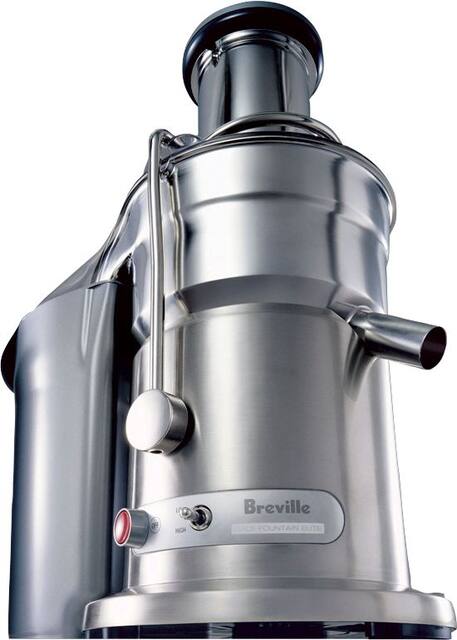
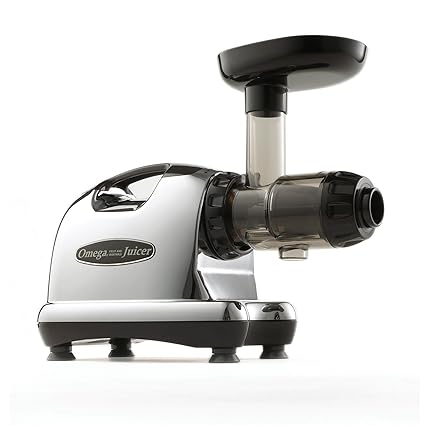
Juice extractors are the best way to extract liquid fruit fruits and some vegetables. They are broken into two types: Centrifugal Juicers, and Masticating Juicers. Centrifugal juicers spin a blade around slicing and dicing. They're basically motorized food mills that you'd use in the kitchen. They shred the produce and spin it allowing the juice to drain through and the pulp gets separated into a bin. Masticating juicers work almost exactly like a meat grinder, forcing the produce between gears to extract the trapped liquid. Centrifugal juicers do produce a lot more food waste and commonly yield 20% less juice than their masticating counterparts. A con of the masticating juicer is that it doesn't handle large chunks very well without clogging and jamming. you can shove a whole apple in a centrifugal juicer with no issue. So Masticating juicers need some extra prep. Both of these styles are great for pineapples, carrots, celery, rhubarb, ginger, and any other dense or stalky produce. Centrifugal juicers do lead to a lot of air going into the juice which for the most part will dissipate in time, but some bartenders will juice oranges in these a la minute to create a really fluffy textural drink like a garibaldi. Masticating juicers also have loads of attachments which make them very versatile. All kinds of things, like almond milk, butter, iced cream, baby food, and even make pasta can be made with the right attachment. Masticating juicers also are usually about twice the cost of centrifugal juicers, both in the couple hundred dollars range. Preferred brands are Breville and Omega. P.s. never put a banana in these.

Wednesday, March 1, 2017

The Unbridled

This was the cocktail I submitted for the Woodford Reserve Manhattan Experience as my original cocktail. It was good enough to make it to the regional finals. Unfortunately, it didn't make it past that stage but my co-worker, Damian, was crowned the winner and will be going on to the next round. The presentation to the judges wasn't ideal on my part, but I believe that the cocktail stands.

1 1/2 oz. Woodford Reserve Double Oaked
3/4 oz. Amaro Ramazzotti 
3/4 oz. Campari
3/4 oz. Fresh Lemon Juice
7 drops Saline Solution

To make saline solution, simply mix 1 part salt to 8 parts water. Stir until dissolved.

Add all of your ingredients to a shaker tin. Add ice, cap, and shake. Double strain into a chilled cocktail glass and garnish with an expressed lemon twist and orange twist.

My cocktail, The Unbridled, is a tribute to the thoroughbreds and other horses that make up so much of the iconography of Kentucky. The name is borrowed from a government motto reflecting both the Kentucky Derby and Bourbon, "Unbridled Spirit". This is reflected in the drink by the sheer power the drink has initially. Then, thanks to the saline solution, the more intense bitter flavors calm down, and the more elegant flavors shine a bit more. Even the fastest and strongest horse can be elegant when calm and unburdened.

Thursday, July 28, 2016

Milk Punch: Italian Flavor

So, this is my fourth attempt at making milk punch and my third success. For the record, this post is in no way an exact recipe with a glorious final product. It is a process I've been playing with and am still honing. That said, this was a pretty tasty drink. I first heard of the concept when I was in New York City for a bartending conference with the USBG, United States Bartender's Guild. I was actually truly fascinated by the process. It was captivating seeing clear liquid come out of that filter when it started with so many opaque. Let's start with the ingredients and tools you'll need:

Ingredients:
6 1/2 oz granulated sugar, 3 - 4 Lemons depending on size, 3 - 4 Limes, 2 Tsp Crushed Pepper, 1/2 tsp Cracked Black Pepper, 1 bag Rooibos Tea, 1 bag Mint Green Tea, 3 sprigs Rosemary, leaves of 3 sprigs of Sage, 1/16 oz. Thyme, 1/2 tsp dried Marjoram, 1/2 tsp dried oregano, 3 oz. Amaro del Capo, 9 oz. Gin, 20 oz. Milk

Tools:
Mixing bowl, muddler, measuring spoons, measuring cup, at least 2 large pots buckets or bowls, a chinois, enough cheese cloth to line the chinois 4 times over (I used 28 x 24 thread count), and lastly a means of bottling the final product

The start to any good punch, in my opinion, is an Oleo Saccharum. Peel two large lemons and two large limes and all your dry ingredients. For the tea bags tear them open and dump them in. The oils and the flavors from the herbs, leaves, and peels will be pulled out by the dried ingredients in a form of osmosis. Everyone has different feedback about how long this process takes. It, of course, depends on the recipe. Some people say that for a standard oleo is takes up to 72 hours to achieve full osmosis. This can be reduced with fancy cryo-vac machines, which I do not own. I only let this sit for 6 hours.

The next step does help infuse the flavor a little faster, though. Add 8 oz of boiling water to the bowl. This is how we make tea. Hot water infused much faster than cold, and much faster than osmosis between the flavors alone. the point is adding all this to the final product so we need to pull as much flavor out as we can without diluting too much. Let this steep, covered, until it settles down to about room temperature. Strain the whole contents of the bowl to a large pot. Rinse the bowl with some of the alcohol to collect any flavors or undissolved sugars. Add 4 oz of lemon juice and 4 oz. lime juice. Stir this around to make sure it's uniform. Next, comes the risky part. 

The milk. Start by heating it and bringing it to a near boil. If it starts to boil, take it off the heat immediately. Trust me it gets messy. Add the hot milk to the pot. The mixture should start to curdle. If it doesn't curdle well, add more citrus. Stir it around a little to let it all bind. You could put this in the fridge and then skim off the curds. I'm told using cheese cloth is not only faster but certainly more reliable at getting all the particulates out. Line the inside of the chinois with several layers of cheesecloth and clamp it to the rim. The more volume you can fit the better. Pour the punch through the strainer. Naturally, have a bowl or a bucket under the strainer to catch it.

The first part of the run will come out slightly cloudy as the curds fasten themselves into the cloth. Once it starts running clear, start cycling the liquid back into the strainer. the more you keep cycling it the cleaner the product will be. Yes, this process does take some time, several hours. I tend to cycle it back in once the flow slows to being drop by drop. Usually, it takes about 3 to 4 full runs. It takes ages the to get those last few drops out. One it's effectively done, take the cloth and lightly squeeze it over another bowl. If it comes out fairly clear, drink it, if you're getting a cloudy liquid out, you can still drink it but it might not taste great if you're getting curd. Next, I just funneled the good stuff into a bottle and stuck it in the fridge to chill. Serve with ice and drink up. You can also cut it with soda, sprite, or sparkling wine. I made my batch over a week ago and it tastes exactly the same. The shelf life is effectively infinite. 
The final product is a clear liquid with a slightly golden brown tint. It is a very herbaceous cocktail. The rosemary and black pepper pop as flavors and it leaves the mouth feeling dry. The alcohol is not too dominant. The dryness does not make it a drink you could drink for hours on end like some of my other punch batches. but it is tasty. The infinite shelf life granted by this process is ideal for a fancy drink you'd have once in a while. Stick a bottle in the fridge and have some every now and then.

“Drinking just to get drunk is like having sex just to get pregnant.”
- Robert Hess

Monday, August 31, 2015

Golden Apple Martini

This was actually a discussion I had almost a year ago over the best way to make an appletini. Many bartenders would say 2:1 vodka and sour apple pucker. This drink somehow gained popularity. Lord, if I know how. I suppose it was the simplicity of the drink in combination with the craze of the fancy glass. It's also incredibly easy to make at home if it's a drink you particularly like. All you needed was two bottles. On my opinion, though, the drink is rubbish. Many people have jazzed it up so to speak with sour mix, lemon juice, or citrus vodka. none of which really save the drink, they merely help balance a bit of the sweetness and lessen the proof. I wanted to take my crack at it

1 1/2 oz. Citrus Vodka
3/4 oz. Berentzen Apple Liqueur
1/2 oz. Fresh Lemon Juice
1/2 oz. Rich Honey Syrup

Add all the ingredients to a shaker tin with ice. Shake the drink well and double strain into a chilled cocktail glass. Garnish with a golden delicious apple fan.

This drink was sort of inspired by the various appletini recipes I've seen and blended with a sort of sour and Cosmopolitan recipe. I thought of creating an apple shrub or using a calvados, but I wanted something that would be fairly accessible to the average person, as that was a part of the appeal of the original. I think the flavors carry over well and do give the proper taste of an apple rather than the sour sugar taste you get from most appletini's.

"I'll have an Appletini and the girliest drink in the house"
"Two Appletinis coming right up"
- Scrubs

Sunday, August 2, 2015

Whiskey 401: Dissecting a cocktail: The Whiskey sour

The drink known as the Sour has gone through countless iterations over the centuries. I thought of organizing this by time period, instead I opted to go simply by the level of complexity and adding a few variants once the foundation has been laid. The Sour has gone through so many modifications and iterations it's near impossible to pinpoint a date when the trends changed. The origins of the sour as an individual cocktail and not a punch probably started around the 1850's. This was most likely done by sailors drinking rum while trying to fight scurvy with citrus juice and adding sugar to make the drink taste good. It was certainly after World War II, in the 60's, when store-bought sour mix became widely popular. Eventually, it even made its way onto some of our soda guns. In the nineties bartenders started exploring the idea of fresh ingredients once again. 

Modern
The first recipe I ever learned was 1 oz Whiskey and 2 oz of Sour Mix. This was shaken and served in a rocks glass with ice. It was mentioned that this could be served up, but most people took it on the rocks. Most people I saw wouldn't even really shake this, especially if it was going on the rocks. They'd just give it one or two shakes and dump it in.  They thought that shaking was to chill a drink. No, it's to blend the ingredients and to incorporate air, adding texture. To cite a blog that helped inspire me to start this, Death to Sour Mix. Assuming you use a prepackaged store-bought sour mix, this should just be called a sour, as you can't taste or appreciate whatever liquor is in the drink. The chemicals and sugar content in that mix just destroys the integrity of the other ingredients. I did learn how to make a simple sour mix however and that's where we get into the real recipe. 

Classic
This drink follows much more closely to the classic cocktail bars. I eventually learned a true recipe for this drink. It being 2 oz. Whiskey, 3/4 oz. Lemon Juice, and 3/4 oz. Simple Syrup. It's shaken good and hard, strained or double strained, and served up or on the rocks. This is an example of proper balance. A drink should have an equal balance of sweet and citrus. This while maintaining a respect for the alcohol makes a proper ratio of ingredients. This is a bit stronger than the standard drink ordered at the bar today. It's about twice the ABV of a whiskey ginger or similar highball. This is much more in line with cocktails and less focused on speed of production. Store bought sour mix was created to increase the speed of drink production and to eliminate a lot of the prep work that would need to be done every day, namely squeezing fruit and making syrups. But losing the craft means losing the character of a drink.

Traditional
This drink took a little adjusting to when I first heard about. It took a bit of a leap in order to try it, but to my amazement, it was really good. To this day, there are very few Americans that know about using egg white in cocktails. People think that the drink will taste like breakfast or egg nog. Neither is true nor are you at all likely to get salmonella. So, what does the egg bring to the table? The proteins in the egg while unravel and create an amazing silky texture and decadent foamy cap. This kind of cocktail should use the same recipe as the Classic Sour but add the white of one egg, or about 1oz. of egg white. You can't just shake a drink with egg white normally though if you want the best consistency. You need to shake the drink without the ice first to blend the cocktail and open up the proteins. This is called dry shaking. Once you do that, you shake normally with ice to chill the drink and usually double strain into a sours or cocktail glass. Most people think that the beautiful foam that comes from using egg white is lost when the drink is served on the rocks, but it can be done. 

Other Great Variants
The Stone Sour is a very fun variation which uses orange juice as well as lemon and simple syrup. A Gold Rush uses honey instead of simple syrup. The New York Sour is one of those drinks that just keeps adding to a great drink. It's a classic or traditional whiskey sour served on the rock with a float of red wine. I always find this drink very odd when made with egg white and red wine floated on top of the foam. I prefer it made without the egg white and served on the rocks. The ice makes it much easier to float the red wine. I also find that a layered presentation works best with more cylindrical glasses, rather than martini glasses or coupes. There is also the Fix, which is just a sour made over crushed ice. A John Collins is just a tall whiskey sour topped with club soda. A Fizz is the same thing but also using egg white to create a very fluffy foam on top.

“Sometimes life is sad. You can cry in your booze if you want. I think that’s called a Whiskey Sour.”
- Jarod Kintz

Photo Credit: Wikimedia

Sunday, July 12, 2015

Gin 201: The Different Botanicals

Juniper Berries
This is what gives gin that note of Christmas trees. All gins have to use juniper in order to be called gin. This goes way back to when gin was first invented and they started modifying the recipes from Dutch genever. Legally Juniper has to be the predominant flavor. That rich pine flavor actually comes from the fruit of the evergreen tree. Well, not really a fruit, but a seed or conifer cone. It also has slight notes of lavender and occasionally a touch of heather. Juniper is a very potent flavor and gins that are too juniper-forward tend to be very off-putting to the average drinker so a rounded, balanced gin is much more preferable for most distillers.

Cassia Bark
Cassia Bark is a close relative to cinnamon. Many people find that cassia has a slightly more delicate flavor though. It again comes from a breed of the evergreen tree this time originating in the south of China. Many gin makers source their cassia from other countries like Indonesia, Thailand. India, and Vietnam. Chinese Cassia does remain the most common. In gin, the freshly dried bark is typically ground to release as much of the flavorful oils as possible. Cassia bark supposedly is also good for blood pressure.

Angelica Root
Angelica root, sometimes known as wild celery, is grown widely in Northeast Europe. It does have its roots in the celery family, no pun intended but has a more woody vanilla smell. It blooms as a many-headed flower and is often harvested in the winter months. Angelica is rarely a dominant flavoring component; it is more being used as a balancing agent to bind the harmonies of various oils together. It does add a slight earthy tone but it more about providing a balance. Angelica is also used as medicine to fight viruses and bacteria.

Orris Root
Orris is really just a part of the Iris flower. This isn't used in the vast majority of gins but it is a fairly common component in more floral gins. Flavor wise it is very similar to violets. Tragically, due to its allergenic nature orris root was banned in many parts of Europe and the US, though this ban is mainly for cosmetics and scents. In gin production, the flower is harvested in late summer and made to dry a couple years before being ground. As with most gin ingredients Orris root has been used in medicine, in this case, it's helpful with sore throats and as an anti-inflammatory.

Coriander
Coriander is the seed of the cilantro plant, also known as Chinese parsley or dhania. The entire cilantro plant is edible, stem seeds and leaves, but the vast majority of gin producers only use the seed. The flavor of the leaves and seeds are similar in a few regards but really have completely different profiles. It's worth mentioning that coriander seeds if consumed in severely high doses, can act as a narcotic. This goes away during gin production though. Coriander is probably the second most botanical in gin actually. Its flavor is a blend of citrus and sage. Its aroma is very akin to rose actually. Coriander in olden times was used to fight flatulence and arthritis.

Grains of Paradise
Grains of paradise are native to West Africa and Ethiopia. This area became known as The Pepper Coast. Grains are actually the seeds of a member of the ginger family. It's also known as Melegueta pepper, alligator pepper or Guinea pepper. These are often used in medicine as stimulants. The flavor is of course quite spicy and peppery, but the aroma is a bit more floral than your standard black pepper. Several centuries ago it was actually more common to use grains of paradise in cooking than pepper. Its use in gin was actually briefly banned in England for tricking people into thinking that the spirit was stronger than it really was.

Cardamom Pods
Cardamom is actually a member of the ginger family. It's native to southern India and is very hard to grow and cultivate aside from very hot climates like Tanzania and Guatemala. It is thus also one of the most expensive spices. 5000 years ago it was used in tooth cleaners and perfumes. Cardamom is widely used in South Asian cuisine, namely curries. There is black cardamom and green cardamom. Black has an almost peaty, smokey flavor while green is more floral, like the eucalyptus. Cardamom is a very warm flavor, slightly sweet, but very pungent.

Citrus Peel
The oils from lemon and orange peels are used very regularly in gin production. Almost everyone knows the flavor of citrus and it's very easy to place a citrus heavy gin. A fun fact is that the aroma molecules of a lemon are the mirror opposite of those of an orange. Citrus oils are great for a number of healing factors. It's good for the skin and also acts as a mild sedative, anti-inflammatory, and diuretic. Citrus was also used to fight scurvy which made it almost a necessity among British naval sailors, who popularized the gin and tonic. Another useful aspect of citrus is that it's helpful as a cleaning agent. That's right, lemon Pledge actually has a reason to be lemon scented. This actually makes a distillers job easier as the tanks don't get as dirty when citric acid is in the gin.

Other botanicals may include lemongrass, black peppercorn, cucumber, rose, cubeb berries. anise, licorice, almonds, grapefruit, chamomile, sarsaparilla, nutmeg, saffron

"The intense perfumes of the wild herbs as we trod them underfoot made us feel almost drunk."
- Jacqueline du Pre

Photo Credit: Wikimedia, Pixabay

Sunday, May 10, 2015

Berry JAMboree

This was a cocktail I created for the BOLS Around The World Competition. The goal being to create a truly memorable low alcohol cocktail. The only rules were that the drink had to use no more than 1/2 oz. of 80 proof spirit, that the drink had to use at least 1/2 oz of BOLS liqueur, and that the drink not exceed 12% ABV. It was actually a lot of fun playing with this drink. Low alcohol meant that I could actually try more than 3 of my drinks a day. 

1 Egg White
1 oz. Lemon Juice
3/4 oz. Strawberry Liqueur
1/2 oz. Gin
1/2 oz Blueberry preserves
1/2 oz. Simple Syrup

Add all the ingredients to a shaker without ice. Dry shake vigorously. Once blended, add ice and shake again. Double strain into a cocktail glass and garnish with a split strawberry. 

This drink really didn't have any inspiration. This was my first time using jam or preserves in a drink. Blueberry really adds a lot of color to the drink. I tried it with egg white to thicken it up and it really does feel like a smoothie. The strawberry garnish is great because once the guest is done drinking they can use the berry to soak up any foam that was left clinging to the glass. The final alcohol by volume of this drink would be a little under 9.6% depending on ice melt

"Now is the time for drinking, now is the time to make the earth shake with dancing."
- Horace

Friday, May 8, 2015

#015 Beedrill

This is a part of an ongoing project I'm working on to make a Pokemon cocktails for each and every Pokemon. I'm starting with just generation one and we'll see how the response is. 151 drinks is a tall order, but people have done crazier things. If I succeed I will most likely publish an eBook or possibly hard copy collections of each drink. Give them a try and let me know what you think. 

1 1/2 oz. Pepper Infused Tequila
1/2 oz. Blood Orange Liqueur
1 oz. Honey Syrup
1 oz. Lemon Juice
Top Sparkling Wine


Add all the ingredients except the bubbly to a mixing tin. Shake well with ice. Double strain into a tulip glass with ice. Top with bubbly. Garnish with two spears of serrano pepper. 

To make a pepper-infused tequila simply fill a small mason jar with whatever type of peppers you'd like. Make sure you cut it up to about 1/2" pieces to increase the surface area. Personally, I'm a fan of serrano pepper for this cocktail. Many people may prefer to use a Jalapeno or Habanero pepper, but I find that serrano offers a very balanced flavor and heat for this drink. If you don't want too much spice to dominate the drink I recommend seeding the peppers first. Pour tequila over the peppers, seal the jar and give it a little shake. I like a Reposado tequila here. The slight smokiness brings out the pepper flavors, but an Anejo could work as well. I find that about 6 hours is enough to get a full pepper flavor without it becoming too potent. For seeded Jalapenos and Habaneros, less time may be prudent.

This drink again takes a lot of inspiration from the margarita. A common variation I've seen in chain restaurants these days is a champagne margarita with a little split of sparkling wine stuck into the drink just like the Coronarita. Beedrill is a bee, so for a sweetener, honey was the obvious choice. It also has a potent poisonous sting that can supposedly kill, so I wanted a little more spice in this one. I find that blood orange plays a bit better with spice that Cointreau or another triple sec. Add a little lemon juice and bubbly and you have yourself a great drink to sip on out on the patio on a hot spring day. 

"Beedrill. This Pokémon is an evolved form of Weedle, following its Kakuna stage. Its sting is highly poisonous."

Pidgey -->
<-- Kakuna

Recommended Brands: Milagro Reposado, Solerno, wildflower honey, fresh lemon juice, Comte de Bucques Brut

#014 Kakuna

This is a part of an ongoing project I'm working on to make a Pokemon cocktails for each and every Pokemon. I'm starting with just generation one and we'll see how the response is. 151 drinks is a tall order, but people have done crazier things. If I succeed I will most likely publish an eBook or possibly hard copy collections of each drink. Give them a try and let me know what you think. 

1 1/4 oz. Reposado Tequila
1/2 oz. Blood Orange Liqueur
1/2 oz. Honey Syrup
3/4 oz. Lemon Juice

Add all the ingredients to a mixing tin. Shake well with ice. Double strain into a chilled cocktail glass. Garnish with a small spear of serrano pepper that has been deseeded. 

This drink clearly takes a lot of inspiration from the margarita. I opted to use a Reposado tequila to help represent the middle nature of Kakuna. The insect and bee-like nature of this evolution line made honey an obvious choice for a sweetener. I like a wildflower honey syrup if you can find it. A different orange liqueur could be used, but I adore Solerno, and I find it pairs better with spicy and smokey flavors which are going to be more present in our last iteration of this evolutionary line. You have to have a bit of sting in your bee Pokemon. 

"Kakuna, a transitional stage between Weedle and Beedrill. Kakunas remain inactive until they evolve into deadly Beedrills and hatch."
<-- Weedle

Recommended Brands: Milagro Reposado, Solerno, wildflower honey, fresh lemon juice

Wednesday, May 6, 2015

Brandy 301: Let's try some Brandy Cocktails

Brandies and cognacs are probably the least used liquors for cocktails. I, personally, find that very sad. Brandy is such a fun thing to play with. It has so many layers and complexities that can make cocktails feel a bit muddy, but a light hand can create a great balance and really let brandy shine among the other ingredients. 

Sidecar

1 ½ oz. Cognac, ¾ oz. Cointreau, ¾ oz. Lemon Juice, Sugar Rim
Add all the ingredients to a mixing tin with ice. Shake until well chilled. Strain into a chilled martini glass with a sugar rim. Garnish with a lemon twist or an orange slice. 
The sidecar is a very classic cocktail. It is effectively a brandy sour with Cointreau instead of a raw sugar element. It has quite a history. The exact history is a bit hazy but it seems to have come about toward the end of World War I and began appearing in books in the early '20s. The invention of this drink is credited to an American Army captain. This drink did come from France, just look at the ingredients, supposedly at the Ritz Hotel in Paris. Supposedly the captain would go to the bar and order this cocktail. He'd get a bit drunk and one of his privates would have to shuttle him home in the sidecar of a motorcycle. The drink eventually took its name from this mode of transport. 

Brandy Alexander
1 oz. Brandy, 1 oz. Dark Crème de Cacao, 1 oz. Heavy Cream
Add all the ingredients to a mixing tin with ice. Shake until well chilled. Strain into a chilled martini glass. Garnish with some freshly grated nutmeg. 
The original Alexander cocktail supposedly uses gin instead of brandy. Brandy just brings so much more to the drink in my opinion. Brandy is an after-dinner drink; it's a dessert. It blends with other desserts with ease. Gin just doesn't work as well. This drink dates way back to 1915 or earlier. You probably know the cream drinks made popular in the '60s. Grasshoppers, creamsicles, pink squirrels, and the like share many similarities with the alexander. The Alexander tends to have a bit more alcohol and is a bit more serious a drink. 

Apple Brandy Hot Toddy

1 oz. Apple Brandy, 1 oz. Bärenjäger, 4 oz. boiling water, Nutmeg
Start by warming an Irish coffee mug with boiling hot water. Once warm, remove the water and add the Brandy and Bärenjäger. Add the nutmeg and fill with more boiling water.  Stir lightly. Garnish with a cinnamon stick and a lemon wedge. 
The original Hot Toddy would be made with whiskey, rum, or brandy. They would add hot water, honey, and a few baking spices. It's gone through countless iterations, but the combination of apple and honey with some baking spice is used across the board in baking. This drink can be made with calvados instead of American apple brandy. It's like an apple pie in smooth liquid form. Some people will actually throw a tea bag into the hot water do add a bit more flavor to the drink. 

Pisco Sour
2oz. Pisco, 1oz. Lime juice, 1oz. Simple Syrup, Egg,
Crack an egg and separate the white into the drink. Add all the ingredients to a mixing tin without ice. Dry shake until well emulsified. Open the tin, add ice, and shake again. Strain into a chilled cocktail glass. To garnish, drop 3 droplets of Angostura bitters across the foam of the drink. 
Traditionally this drink uses Peruvian Pisco. It was invented in Lima, Peru in the early 20's by an American, just after the sidecar was gaining popularity in Europe. It went through some iterations, figuring out the best citrus and eventually adding the egg and bitters. This has led to some debate as to the real origin of the cocktail. Some experts are convinced it came about in 1915 while others will say up to nearly a decade later. This has become something of a national drink. On the first Saturday of February, Peruvians do have a national holiday celebrating the cocktail. Give it a try, the new flavors and textures have opened many people to a new level of drinking. 

Special mention to: Pierre Collins, Beautiful, DOM B&B, Godchild, Stinger, and the Jack Rose

“Art is wine and experience is the brandy we distill from it”
-Robertson Davies

Photo Credit: wikimedia

Tuesday, April 21, 2015

Popped Belvedere Martini

This was a Cocktail I created for the Belvedere Vodka's The Challenge. The goal being to create a legendary vodka martini cocktail. This was the first video I ever did for a competition and I had fun editing. I have a lot more videos planned for the future, but it was good getting my feet wet. This was just filmed in my dining area. Future videos will probably be done at Aqua Vitae Institute. They will also probably feature my face.

1 1/2 oz. Belvedere Vodka
1/4 oz. Dry Vermouth
1/4 oz. Tuaca
1/2 oz. Oleo-Saccharum

Despite using a sugar and oil mixture, this is a stirred cocktail. Add the ingredients to a mixing glass with ice. It helps to add the Oleo last. Stir very vigorously so that the oil is still emulsified into the drink. Strain into a chilled cocktail glass. Garnish with a lemon twist.

To make Oleo-Saccharum:
Peel 4 lemons into a bowl (you can use the remainder for juice). Slowly add 8 oz. of sugar to the bowl of peels while muddling. Keep muddling around breaking down any lumps of sugar, working the sugar into the peels. This should take about 15 minutes. Let this sit overnight and a pool will collect of sugared lemon oil. Add eight ounces of hot nearly boiling water to the bowl. Strain out the liquid making sure to filter out all the pulp, pressing on the pulp to get all the Oleo out.

This was actually a quite difficult contest as the rules state you could only use a total of two ounces in total of any alcoholic ingredients. Even the smallest martini I would make would be two ounces of vodka and then about a third of an ounce of vermouth. I decided to make my recipe include that ration of 6:1 vodka to vermouth. But I had to make my martini unique, something that would make the vodka really pop. I opted to use Tuaca and a lemon oleo-saccharum. Tuaca brings a great vanilla note which brings out the smoothness of the vodka, as well as a citrus with compliments the vermouth and some of the subtler flavors of the vodka. The Oleo also helps add a sweetness to the drink, but the main component of it is the addition of the oily nature. Despite the vast majority of the drinking being fairly strong spirit, the oily nature makes it incredibly easy to drink down. 

P.S. The first video is up on YouTube. Check out the channel link on the right.

"I am prepared to believe that a dry martini slightly impairs the palate, but think what it does for the soul."
- Alec Waugh

Saturday, February 21, 2015

Sakura

The name Sakura means cherry blossom or cherry blossom tree. Naturally the name has been used in many an anime. There are characters named Sakura in Naruto, Get Backers, Street Fighter, Pokemon, and many other manga and films. There's even a popular anime called Cardcaptor Sakura, and a slightly less popular one simply called Sakura. The name tends to symbolize blooming and maturing with time. They can symbolize clouds. They bloom quickly and suddenly and die a quick death. Partly for this reason, in World War II, the image of a cherry blossom was used as national propaganda to instill Japanese pride. They were even painted on the sides of kamikaze planes. 


1 oz. Gin
1 oz. Sake
1/2 oz. Lemon juice
1/4 oz. Grenadine
1/4 oz. Cherry Heering
2 dashes cherry bitters

Add all the ingredients to a mixing tin with ice. Shake vigorously and strain into a chilled cocktail glass. Garnish with a brandied cherry or an edible flower.

I had in my head a flavor profile I wanted to try to create. I wanted a botanical feel as well as a sweetness of a light berry. I tinkered and tinkered with different ingredients. I tried Creme Yvette, acai liqueur, shochu, soju, flavored vodka, and everything felt too dominant or tart. I decided that gin alone created a good floral feel to the drink, but the proof was too high to make it a really dominant ingredient. In the liqueur store, I saw a gorgeous bottle of sake in a lovely pink hue that reminded me of the flowers. All that was left was the berry sweetness and color. Cherry Heering added the berry note but wasn't quite sweet enough and the color was a bit dark. Most people think grenadine is cherry juice anyway and it did add just the right touch of sweetness. 

This was just a cocktail I decided to make up. There are actually several signature cocktails around the globe that take the name sakura, or cherry blossom, like this, this, this, and this.

"I want to do to you what spring does with the cherry trees."
- Pablo Neruda