Showing posts with label juice. Show all posts

Monday, April 27, 2020

Loaded Dice

This was my entry for the Patron Perfectionists Tour. It is about consistency in the culinary and beverage world and how fresh ingredients are inconsistent. This cocktail was my attempt to help flatten the curve. 

1.5 oz. Patron Reposado
0.5 oz. Amaro Sfumato Rabarbaro
0.75 oz. Acid Adjusted Pineapple juice
0.75 oz. Orange Blossom Honey Syrup

Add all the ingredients to a shaker tin. Add ice and shake thoroughly. Double strain into a large rocks glass with a large carved cube.

To make Acid Adjusted Pineapple Juice:
To every 100g of pineapple juice, add 4.5g citric acid and 0.7g malic acid. Stir vigorously to dissolve the powder. Shake the solution lightly before each use.

To make Honey Syrup:
Mix Dutch Gold Orange Blossom Honey with an equal weight of boiling water and stir until uniform.

This drink was inspired by every molecule's randomness or lack of predictability. The fermentation tanks of the Patron distillery are open and surrounded by countless varieties of plant life that produce different strains of wild yeast. Each strain will create a different character. Even every piece of fruit will be unique. Two pineapples from the same tree can have wildly different sugar contents and acidity. This just won't do for a competition called Perfectionist. I aim to erase chance and balance flavors as I see fit. Craft comes from taking what nature gives you and using it to create a consistent quality product.

The Dutch Gold Honey comes from a local apiary as well.

Dream Maker in the Sky

This is one of the many drinks I came up with for the Chilled Toast the Industry competition. It was a brilliant idea to have a contest during the quarantine. Bartenders made up to 50 unique cocktails for this one, using a vast range of spirits from 10 brands. Scapegrace is an interesting gin from New Zealand, and I love any gin that does a Navy Strength. 

1 oz. Scapegrace Gold
0.5 oz. Luxardo Bitter Bianco
0.5 oz. Triple Sec (Combier)
1 oz. Fresh Lemon Juice
0.5 oz. Simple Syrup (1:1)
1 Large Egg White
Orange Bitters

Add all the ingredients aside from the bitters to a shaker tin without ice. Dry shake vigorously, add ice, and hard shake even more vigorously until the drink is chilled and foamy. Strain into a chilled coupe glass. Add a few drops of bitters on top of the foam for garnish and aromatics.

This started as a navy-strength Negroni Sour, but I really wanted to bring out the lemon, orange and dried tangerine in the gin. The vermouth got swapped for orange liqueur. Luxardo Bitter Bianco has always acted as a better balancing agent for softer flavors than the more aggressive Campari or Suze. Also, it gives a pretty white color you don't see in many cocktails. "Dream Maker in the Sky" comes from a song called "No Hopers, Jokers, and Rogues." A Scapegrace is a rogue. It fits.

"Come all you no-hopers, you jokers and rogues
We're on the road to nowhere; let's find out where it goes
It might be a ladder to the stars. Who knows?
Come all you no-hopers, you jokers and rogues."
- Fisherman's Friends

Tuesday, October 29, 2019

Mule in a Mill

This is my creation for Diageo World Class 2020. It's a riff on the cocktail I did for the Philadelphia Summer Cocktail Social. It's a simple riff on a mule where the lime juice is replaced by orange juice that has been tweaked to have the same acidity as lime. The peach flavors of Ketel One Botanicals pair amazingly with the dessert flavors of the amaretto. It's bright, refreshing and will fit palettes for all seasons.

1.5 oz. Ketel One Peach and Orange Blossom Botanicals
0.5 oz. Amaretto Di Saronno
1 oz. Acid Adjusted Orange Juice
1.5 oz. Fever Tree Ginger Beer

Add the Ketel One Botanicals, Amaretto, and Acid Adjusted Orange juice to a mixing tin. Add ice and shake lightly until chilled. Add the ginger beer into a highball glass with a large ice column. Strain the cocktail over the ginger beer. Garnish with a long ribbon of orange peel. Serve with a smile.  

To make Acid Adjusted Orange Juice:
Mix 1 liter of freshly squeezed and strained orange juice with 32 grams of citric acid and 20 grams of malic acid. Stir until mixed and uniform.

This cocktail is really about simplicity and precision. So many cocktails depend on ingredients that can be wildly inconsistent depending on when and where they are sourced. While local seasonal fruit can create amazing flavors, you never know what the acid content or sugar content is going to be exactly. I'm a carpenter. I like exact measurements. If one measure is off by as much as 1% it can make a table wobbly and unbalanced. Wild ornate cocktails have their place but without a stable, anchored base, they fall apart. Nature can be shaped to our will fairly easily. So that's what I did in this drink. The Ketel One Botanicals are a beautiful set of spirits that mix individual essences to turn out consistent crisp clean flavors. Again, building from parts to create a whole. Cheers.

Darcy's Donkey by Gaelic Storm
https://www.youtube.com/watch?v=C6N6W59nQh4

Friday, October 11, 2019

Juicing

Picking a juicer really depends on how much you plan on juicing. Hand juicers are fine for home use and cocktails to order but most bars need the help of something a bit more industrial. Check my post about different juicers here.

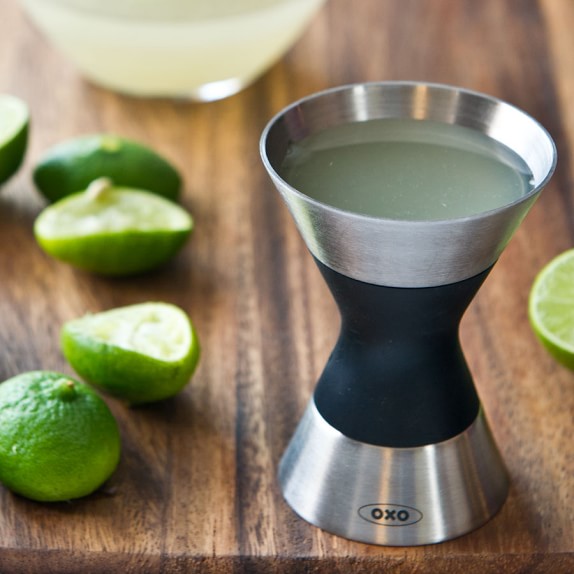
Juicing citrus is fairly simple. If the stem of your fruit is a "pole", cut the fruit in half along the equator. insert the fruit cut side down onto the juicer, be it a hand juicer, press, or mechanical. If there's an interuption you can leave the cut fruit up to 2 hours before juicing.  Apply pressure manually, or through the lever until the juice is extracted down to the pith. Juice into a china cap over a cambro. When juicing to order (a la minute) you can squeeze directly into a jigger for cocktail service. This has some drawbacks though.

I don't recommend juicing anything a la minute. every different piece of produce you juice will have different sugar and acid content. Also depending on the pulp in your juice and how you strain the cocktail, you could be getting wildly different yields. juicing in large batches and straining allows for greater consistency over the course of the shift. Some people like the pageantry of seeing the fresh juice squeezed in front of them but it does lead to less consistency overall.

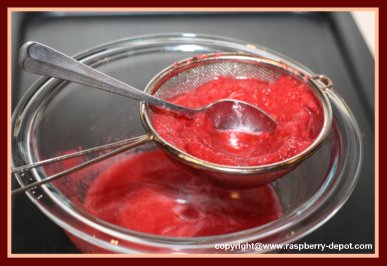
A simple way to juice berries or other soft fruits like kiwis at home is to just muddle them through a mesh strainer over a container. After you've mashed a bit, scrape out the spent pulp from the inside. This keeps the strainer from getting too clogged. The mesh will catch all the skin and seeds and the liquid will flow through. Depending on the density of the mesh you made need to filter the juice more times.

Fresh juice has a fairly narrow window for their ideal flavor. Lemons, limes, and grapefruit are delicious freshly juiced but many people think they get even more flavorful after a few hours of rest and are good up to 2 days (48 hours) later. The shelf life of oranges is a bit less forgiving. Oranges contain substances called lactones, which after juicing, develop into limonin which has a bitter flavor. Fresh is best wish oranges but you can use it up to 4 hours after without much issue.

Myth: Room temperature citrus yields more juice than cold produce.
This theory is odd. People think that the fruit sacks or cells are scrunched together and warming them up will ease the process of juicing. Some people even think that microwaving the fruit will make it possible to extract more juice. Don't do that. Everyone who has tested this has disproven this concept.  The yields are the same regardless. 

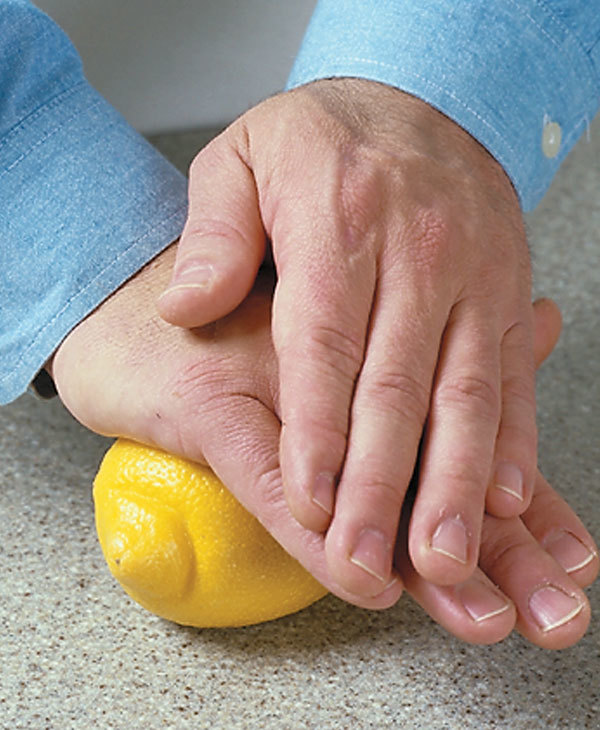
Myth: Rolling the citrus yields more juice.
This is the same silly idea. Even Jamie Oliver thought this works. No, it doesn't. People have tested it. Don't waste your time. A good press juicer extracts all the juice possible, you're not manifesting new juice.

Thursday, September 26, 2019

Juicers

Hand presses or clamshell or elbow juicers are the most common type of juicer I see in the home and are also found in some cocktail bars which utilize al la minute juice service. friendly reminder that when juicing halves of fruit they go flat side down, not conforming to the bowl shape of the press. Cut Side Down! Older styles had a flat base to match and no holes for drainage of juice, simply a pour spout on the side to dispense the fresh juice. Newer styles have a curved bowl to cause the half-cut citrus to partially flip inside out along with holes at the bottom to allow it to dispense into a tin or other receptacle. An issue with these style of juicer is the variable size of citrus and you'll most likely need a different one for lemons, small limes, and larger oranges and grapefruit. Material is important when purchasing. plastics can break easily some metals are much more difficult to clean than others, especially when scuffed after extended usage. Amco is a good durable metal brand. Norpro is a bit more expensive but many experts swear by it. Chef'n Force does a good job and alleviates strain on the wrist but does have a shorter lifespan I've found.

Standing levered presses are very popular in homes and in bars with a fresh juice program in medium but not excessive volumes. There are two main types, those with gears and teeth and those with a hinged concept that acts more like a scaled-up hand press. Hamilton Beach is the most common brand of the former and has become quite affordable. At volume, these do tend to break down after a few months, but they work amazingly well for home use. The parts can't practically be replaced and tuned other than some simple cleaning and oiling. Ra Chand is a fine example of the latter. It also has a much longer shelf life and requires less care, cleaning, and maintenance. It is a little clunky to operate, especially on a high bartop.

Motorized Reamers are widely utilized by bars juicing high volumes of juices. these are certainly more expensive but they do last substantially longer, making up for the cost in the long run. The preferred brand is Sunkist. These are HEAVY and noisy. They belong in the prep area of a bar/restaurant not anywhere near the front of the house. the fact that you're juicing your citrus by hand leans to a lot of strain on the hands and arms. There's minimal contact with the skin compared to press juicers so not a lot of oil is extracted, but you do yield a substantial amount of juice. Also, your hands do get messy. Wear gloves. Even then your hands will slip on the oil of the skin and the fruit will spin like it was the pottery wheel in ghost.

Fully automated juicers like Zumex were my best friend at several of the bars I've worked at. All you need to do is fill the hopper at the top with oranges (you can do other fruits but it'll wear on the blades and other parts) and the machine will slice it, press it (with pressure on the skin to extract oil), and partially filter large pulp from the juice. It's load and forget, no effort or strain on the body whatsoever. They are quite expensive though, upwards of two thousand dollars. not economical for home bartenders but ideal for bars with a busy morning/lunch crowd that enjoys fresh juice.


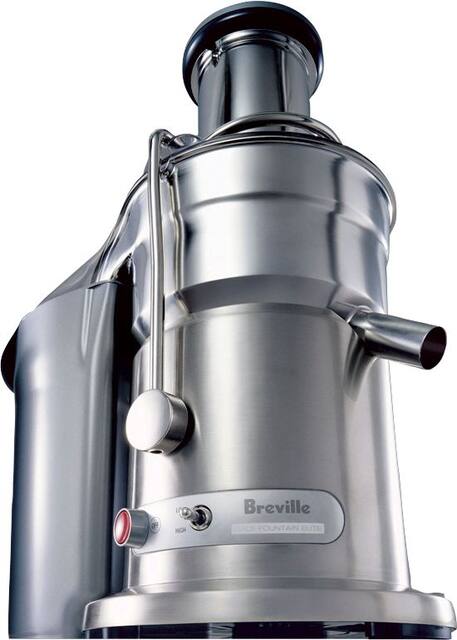
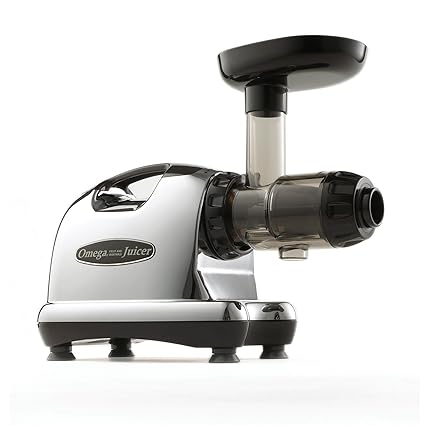
Juice extractors are the best way to extract liquid fruit fruits and some vegetables. They are broken into two types: Centrifugal Juicers, and Masticating Juicers. Centrifugal juicers spin a blade around slicing and dicing. They're basically motorized food mills that you'd use in the kitchen. They shred the produce and spin it allowing the juice to drain through and the pulp gets separated into a bin. Masticating juicers work almost exactly like a meat grinder, forcing the produce between gears to extract the trapped liquid. Centrifugal juicers do produce a lot more food waste and commonly yield 20% less juice than their masticating counterparts. A con of the masticating juicer is that it doesn't handle large chunks very well without clogging and jamming. you can shove a whole apple in a centrifugal juicer with no issue. So Masticating juicers need some extra prep. Both of these styles are great for pineapples, carrots, celery, rhubarb, ginger, and any other dense or stalky produce. Centrifugal juicers do lead to a lot of air going into the juice which for the most part will dissipate in time, but some bartenders will juice oranges in these a la minute to create a really fluffy textural drink like a garibaldi. Masticating juicers also have loads of attachments which make them very versatile. All kinds of things, like almond milk, butter, iced cream, baby food, and even make pasta can be made with the right attachment. Masticating juicers also are usually about twice the cost of centrifugal juicers, both in the couple hundred dollars range. Preferred brands are Breville and Omega. P.s. never put a banana in these.

Wednesday, May 15, 2019

Walking in Little Shoes

This was my entry for the Gentleman Jack Whiskey Sour Classic competition. I've been playing a lot with acid solutions, but they tend to fall a bit flat compared to fresh juice. They tend to lack some body and texture, and there are all kinds of flavors in juice besides just acids. We talk about balance in cocktails as a ratio of sugar to acid, and while that is crucial, it is also boring. 

2 oz. Gentleman Jack
1 oz. Acid-Adjusted Apple Juice
1 oz. Honey Syrup
2 dashes Bar Keep Apple Bitters

Add the fluid ingredients in a mixing tin, add ice and shake well for 6 seconds. Rinse the rim of a rocks glass with honey and rim with spicy cinnamon sugar. Add a large ice rock and strain the cocktail into the glass.

Spicy cinnamon sugar: 
Mix 16 parts sugar, 2 parts ground cinnamon, and 1 part cayenne pepper.

Acid-adjusted apple juice: 
To every 100 grams of apple juice, add 1 gram of citric acid and 4 grams of malic acid.

I loved my time down at the Jack Distillery. Kevin the Barrel Man was a hoot. The story of walking through the caves with a chicken on a string was absolutely hilarious. Bluffing his way into massive concerts is something that charmer could do without even trying. Amazing stories all around. Miss Mary Bobo's was a very eclectic, warm experience. The legacy of Jasper "Jack" Daniels lives on all the loyal workers of that entire town. 

"Basically, I'm for anything that gets you through the night - be it prayer, tranquilizers, or a bottle of Jack Daniels."
- Frank Sinatra

Thursday, February 8, 2018

1990

This was my submission to the Bacardi Legacy contest in 2017. The flavors of the rum really got brought out by this classic sour cocktail. The mouthfeel is wonderful. The story is, of course, an absolute fabrication. I'm not a man with a lot of history or sentimentality. Maybe I'll learn to lie better in the future. 

1.5 Bacardi Gold Rum
0.75 Fresh Orange Juice
0.5 Brown Sugar Banana Syrup
0.5 Aquafaba
0.125 Roasted Walnut Oil
Benedictine

Add the Bacardi, orange juice, banana syrup, aquafaba, and walnut oil to a mixing tin. Dry shake until well emulsified. Add ice and shake again until well chilled and frothy. Rinse a coupe with Bénédictine. Double strain the cocktail into the coupe. Add a spritz of Benedictine on top of the cocktail for aroma and garnish with an orange twist.

Brown Sugar Banana Syrup:
Weigh a banana. Measure out equal weights of brown sugar and water. Bring the water to a simmer in a small pot and slowly add the brown sugar. Peel the banana and slice the insides and add them to the pot. Use a hand blender to puree any chunks of banana. Slice the skin of the banana and add them to the pot. Let the syrup simmer for 15 minutes, stirring occasionally. Strain through a mesh strainer several times to eliminate any chucks. Keep chilled until ready to use.

This cocktail stems from a classic birthday treat my grandmother taught my mother to make. I suppose she didn't use rum though. For birthdays in my house growing up, I remember having a party with my friends, but we'd always have a family dinner as well where the birthday boy or girl could ask for whatever meal they wanted. I'd always ask for this lovely sweet banana nut bread as a dessert. It had orange zest, brown sugar, ripe bananas, and fresh nuts. It became a tradition. These days, my family is spread out all across the country. Every once in a while I like to make a batch as best I can. I was born in 1990, but I've had many more than 27 of this delicious treat. I hope you enjoy. 

Sunday, August 2, 2015

Whiskey 401: Dissecting a cocktail: The Whiskey sour

The drink known as the Sour has gone through countless iterations over the centuries. I thought of organizing this by time period, instead I opted to go simply by the level of complexity and adding a few variants once the foundation has been laid. The Sour has gone through so many modifications and iterations it's near impossible to pinpoint a date when the trends changed. The origins of the sour as an individual cocktail and not a punch probably started around the 1850's. This was most likely done by sailors drinking rum while trying to fight scurvy with citrus juice and adding sugar to make the drink taste good. It was certainly after World War II, in the 60's, when store-bought sour mix became widely popular. Eventually, it even made its way onto some of our soda guns. In the nineties bartenders started exploring the idea of fresh ingredients once again. 

Modern
The first recipe I ever learned was 1 oz Whiskey and 2 oz of Sour Mix. This was shaken and served in a rocks glass with ice. It was mentioned that this could be served up, but most people took it on the rocks. Most people I saw wouldn't even really shake this, especially if it was going on the rocks. They'd just give it one or two shakes and dump it in.  They thought that shaking was to chill a drink. No, it's to blend the ingredients and to incorporate air, adding texture. To cite a blog that helped inspire me to start this, Death to Sour Mix. Assuming you use a prepackaged store-bought sour mix, this should just be called a sour, as you can't taste or appreciate whatever liquor is in the drink. The chemicals and sugar content in that mix just destroys the integrity of the other ingredients. I did learn how to make a simple sour mix however and that's where we get into the real recipe. 

Classic
This drink follows much more closely to the classic cocktail bars. I eventually learned a true recipe for this drink. It being 2 oz. Whiskey, 3/4 oz. Lemon Juice, and 3/4 oz. Simple Syrup. It's shaken good and hard, strained or double strained, and served up or on the rocks. This is an example of proper balance. A drink should have an equal balance of sweet and citrus. This while maintaining a respect for the alcohol makes a proper ratio of ingredients. This is a bit stronger than the standard drink ordered at the bar today. It's about twice the ABV of a whiskey ginger or similar highball. This is much more in line with cocktails and less focused on speed of production. Store bought sour mix was created to increase the speed of drink production and to eliminate a lot of the prep work that would need to be done every day, namely squeezing fruit and making syrups. But losing the craft means losing the character of a drink.

Traditional
This drink took a little adjusting to when I first heard about. It took a bit of a leap in order to try it, but to my amazement, it was really good. To this day, there are very few Americans that know about using egg white in cocktails. People think that the drink will taste like breakfast or egg nog. Neither is true nor are you at all likely to get salmonella. So, what does the egg bring to the table? The proteins in the egg while unravel and create an amazing silky texture and decadent foamy cap. This kind of cocktail should use the same recipe as the Classic Sour but add the white of one egg, or about 1oz. of egg white. You can't just shake a drink with egg white normally though if you want the best consistency. You need to shake the drink without the ice first to blend the cocktail and open up the proteins. This is called dry shaking. Once you do that, you shake normally with ice to chill the drink and usually double strain into a sours or cocktail glass. Most people think that the beautiful foam that comes from using egg white is lost when the drink is served on the rocks, but it can be done. 

Other Great Variants
The Stone Sour is a very fun variation which uses orange juice as well as lemon and simple syrup. A Gold Rush uses honey instead of simple syrup. The New York Sour is one of those drinks that just keeps adding to a great drink. It's a classic or traditional whiskey sour served on the rock with a float of red wine. I always find this drink very odd when made with egg white and red wine floated on top of the foam. I prefer it made without the egg white and served on the rocks. The ice makes it much easier to float the red wine. I also find that a layered presentation works best with more cylindrical glasses, rather than martini glasses or coupes. There is also the Fix, which is just a sour made over crushed ice. A John Collins is just a tall whiskey sour topped with club soda. A Fizz is the same thing but also using egg white to create a very fluffy foam on top.

“Sometimes life is sad. You can cry in your booze if you want. I think that’s called a Whiskey Sour.”
- Jarod Kintz

Photo Credit: Wikimedia

Wednesday, July 29, 2015

The Yellow Blur

This was an interesting little cocktail I created. Technically it's the first cocktail I've ever made that actually won a competition. At a guild luncheon that was hosted by Ruffino Prosecco, they decided to pit us in something of an Iron Bartender Competition. They divided us guild members up into 5 teams and told us to make 2 cocktails per team, one on the rocks, and the other served up. We were given free reign of the bar at Stratus Lounge. Many teams tried to come up with a game plan, but our team took a totally different approach, a more playful one. We all just hopped behind the bar and started making drinks. I started with a sort of orange French 75. It was a good drink but a bit boring. My friend Dan was working on a sort of strawberry smash. As the five of us were playing around we would taste each other's drinks and give feedback. In the end, Dan turned his into our up cocktail and I switched mine to a collins style drink with a little chartreuse zing. 

3/4 oz. Bombay Sapphire
1/2 oz. Yellow Chartreuse
1/2 oz. Cointreau
1/2 a Peeled Orange
1/4 oz. Simple Syrup
Ruffino Prosecco

Peel an orange and tear away about half the slices. Add the slices and all the ingredients except the prosecco to a mixing tin with ice. Shake very vigorously to break up the orange. Strain into a collins glass filled with ice. Top with prosecco and garnish with a lemon wedge.

This cocktail took quite a bit of ingenuity. Toward the end of the time limit, all the tools seemed to disappear. I had been fresh squeezing juice from halves of oranges for all of my experiments but when the clock was ticking I couldn't find a juicer, or a knife for that matter. I just said, "I'm doing this like in grade school." I used my thumbnail and peeled off the skin, tore off half the orange and chucked it into a tin. The ice they had at Stratus was good and dense so I knew it would do the job pulverizing and juicing the orange. I originally planned to double strain this to make for a clean presentation, but they were counting down the seconds as I wrapped up and a mesh strainer was nowhere to be found. I wound up just using a Hawthorne strainer which filtered the big chunks of pulp but left a few bits. This actually made the drink a lot more fun. I made it again later by double straining and I don't think it was as good. The pulp added a feel of scratch made lemonade and I think made the drink feel lower proof and more drinkable. The pulp floating around the drink in the bubbles is actually partly what inspired the name of this drink. Though the name takes an indirect reference to a Ron White bit. 

"Tiny bubbles. In the wine. Make me feel happy. Ah, they make me feel fine."
- Don Ho

Photos by Bry Guy of dumbartender

Sunday, June 21, 2015

Shakers

There are two main types of shakers used by bartenders across the globe. Each bears its own merits. Some are designed for aesthetics while others are designed for versatile use. 

The Boston Shaker
Supposedly the first concept of a shaker goes back to well before the common era to Central and South America where it was used to incorporate chocolate into a beverage. The Egyptians also used it to incorporate spices. The shaker as we know it today goes back to the late 1800s where an innkeeper noticed that two of his serving vessels nested together. In 1872, a device was actually patented to shake six drinks at once.

In America and many other countries, when you shake a drink, it's going to be in a Boston shaker. Especially in a high volume bar environment. The two pieces of a Boston shaker are very multi-purpose. Mixing glasses can be used as beer glasses or even collins glasses. Take a mixing tin, and insert it with the open end down over the mixing glass and give it a light smack to make a seal. Most bartenders find it easier to create a seal with the tin cocked to the side to create a flush seal between the glass and tin. This makes it easier to separate the two once shaken. Shake vigorously, horizontally, rather than up and down, for 8-10 seconds. to break the seal that has most likely tightened due to the ice shrinking the metal strike the side of the tin, at the rim, 90 degrees from where the two parts are flush. This should break the seal and allow the removal of the glass.

Variants of the glass on tin combination are very common. Many craft bartenders have opted to use smaller, 16 oz., cheater tins to make the seal rather than a mixing glass. this allows for a seal that can be gripped and maintained with one hand while shaking. This allows for the shaking of two drinks at once which is very handy at craft cocktail bars as they have become famous date venues. No one wants to stare at their drink waiting for their partner to get theirs, so two drinks at once allow for a proper toast. The French shaker may deserve its own category, but I regard it as a simple variant to the standard Boston shaker. The smaller tin is specially designed to create a perfect seal with the mixing tin and bows in to create a firm grip for the bartender. This also has the advantage of not having any glass that could break.

The Cobbler / Three Piece Shaker
The cobbler shaker has a similar design but with an added dedicated middle piece in the design. It dates back to 1884 as a modification to the Boston shaker which included a built-in strainer. One simply builds the drink in the bottom tin, adds the middle strainer piece to the top of the tin, and then adds the cap on top to create a full seal. Some people say that this incorporates less air into the drink and that when liquid gets trapped between the top two pieces it creates a less emulsified drink. I do find myself just naturally shaking these drinks longer to make sure it's well chilled. Personally, I really don't enjoy this style of the shaker as they often can become stuck together and impossible to separate. With a bit of training, I'm told this won't occur but I really don't see it as a time saver in the long run. There is still a separate strainer piece you need to clean and the pieces are far less versatile. These styles of strainers can look very impressive and ornate, but they really don't serve many functions, all things considered. 

"You can't buy happiness, but you can prepare a cocktail, and that's kind of the same thing."

Photo Credit: Wikimedia, Project Noun

Friday, June 5, 2015

Advanced Syrups

Sugar is a crucial component in just about every cocktail available today. Sometimes it's the sugar in a piece of fruit. Sometimes it's honey or maple syrup. Bartenders have been taking these sugars and making them our own for some time now. 

Flavored Syrups
One of the easiest types of complex syrup you can make is a simple infusion. Take an Earl Grey Tea Syrup for instance. We all know how to make simple syrup, simply apply heat to sugar and water. Well, this is exactly how we make tea. Simply add our tea bag or tea leaves to warm water. let this sit for about an hour and then add to a saucepan and put on heat. Add equal parts sugar and stir until well mixed. Remove from heat and strain off any solids. This same technique can be applied to mint syrups and even things like berries and peppers. Simply make a syrup the way you normally would and steep the flavors you would like to infuse. Try not to boil the syrup as that takes away the water and makes the flavor significantly harder to replicate. One of my favorite creations was a strawberry and serrano pepper flavored agave nectar.

Fruit Syrups / Grenadine
Most fruit syrups are actually very easy to make. While the typical syrup uses water to mix with the sugar component, a perfectly legitimate substitute is to use a juice. This method only works well with fruits that leave a very watery type of juice such as pomegranate. Juice like lime and the like need to be cut down with water to ensure a consistent texture. To make homemade grenadine, simply pour equal parts of pomegranate juice (I use POM Wonderful) and sugar into a saucepan and apply heat while stirring. I like to add a tiny splash of fresh lemon juice and a few drops of orange flower water to really make it unique.

Oleo Saccharum
Oleo, in short, is oil. Saccharum is sugar. Lemon oil syrup was a crucial component in old-world punch recipes. The oil comes from the peel of citrus fruit, lemon being the most common. Oleo can also be made from other citruses, like orange and grapefruit. The easiest way of making this is by peeling several lemons into a bowl and adding about two ounces of sugar to the bowl per lemon. Muddle this vigorously for about 15 minutes to ensure that the sugar really gets into the peels and they start to sweat. Let the bowl sit for a few hours or overnight to allow all the oil to precipitate. collect this in a bottle and filter out any peel, some people will add a bit of hot water to stretch the oil and make it less potent in cocktails, but in punches that doesn't matter as much.

Orgeat
Orgeat is probably the most difficult syrup to make on your own and I don't recommend trying unless you are well versed in syrups. Orgeat is used in several tiki cocktails. It is a very potent blend of flavors and can be incredibly overpowering if prepared incorrectly. To make, one would muddle a blend of sweet and bitter almonds in a mortar and pestle with a little water until it becomes a smooth paste. Add more water without heat. Then incorporate some sugar and orange flower water or rose water. These are very potent flavors that if not used cautiously can seriously overpower any cocktail. Floral sweet almond syrup is very tempting to start playing with, but I urge you to start small and leave this one to the professionals. The fact that this doesn't use any heat also tends to mean the shelf life is not as great as many other syrups so I encourage you to use filtered water or water that had been boiled beforehand. Also, keep it stored in a well-sealed container. Also, don't trust any store brand orgeat that costs less than $10 a bottle. 

Gum Syrup
Gum syrup is actually one of the more basic and classic syrups. It is, at its core, a simple syrup that has been thickened to change the texture of certain cocktails. Gum, also called Gomme, syrup is a simple syrup made typically with gum arabic. Very few people, aside from some artists, have heard of this powder. It's a simple thickening agent used in some painting, and, in our case, cocktails. Gum syrup works best in stirred, spirit-forward cocktails so that the texture it brings can be appreciated. Typically it is used in old fashioned cocktails and some sazeracs. It can be used in shaken cocktails and with drinks built with crushed ice.

"I told my wife the truth. I told her I was seeing a psychiatrist. Then she told me the truth: that she was seeing a psychiatrist, two plumbers, and a bartender."
- Rodney Dangerfield

Photo Credit: pxhere, open food facts

Friday, May 8, 2015

#014 Kakuna

This is a part of an ongoing project I'm working on to make a Pokemon cocktails for each and every Pokemon. I'm starting with just generation one and we'll see how the response is. 151 drinks is a tall order, but people have done crazier things. If I succeed I will most likely publish an eBook or possibly hard copy collections of each drink. Give them a try and let me know what you think. 

1 1/4 oz. Reposado Tequila
1/2 oz. Blood Orange Liqueur
1/2 oz. Honey Syrup
3/4 oz. Lemon Juice

Add all the ingredients to a mixing tin. Shake well with ice. Double strain into a chilled cocktail glass. Garnish with a small spear of serrano pepper that has been deseeded. 

This drink clearly takes a lot of inspiration from the margarita. I opted to use a Reposado tequila to help represent the middle nature of Kakuna. The insect and bee-like nature of this evolution line made honey an obvious choice for a sweetener. I like a wildflower honey syrup if you can find it. A different orange liqueur could be used, but I adore Solerno, and I find it pairs better with spicy and smokey flavors which are going to be more present in our last iteration of this evolutionary line. You have to have a bit of sting in your bee Pokemon. 

"Kakuna, a transitional stage between Weedle and Beedrill. Kakunas remain inactive until they evolve into deadly Beedrills and hatch."
<-- Weedle

Recommended Brands: Milagro Reposado, Solerno, wildflower honey, fresh lemon juice

Friday, April 24, 2015

#003 Venusaur

This is a part of an ongoing project I'm working on to make a Pokemon cocktails for each and every Pokemon. I'm starting with just generation one and we'll see how the response is. 151 drinks is a tall order, but people have done crazier things. If I succeed I will most likely publish an eBook or possibly hard copy collections of each drink. Give them a try and let me know what you think. 

1 1/2 oz. Applejack
1 oz. Pineapple Juice
1/2 oz. Melon Liqueur
1/4 oz. Blue Curacao
1/4 oz. Lime Juice
1 1/2 oz. Lemon Lime soda

Add all the ingredients aside from the soda to a mixing tin with ice. Shake until well chilled. Strain into a decorative specialty hurricane or tulip glass. Top with the soda to fill. Garnish with a few mint leaves and a lime wedge.

This cocktail was derived very simply from the middle evolution, Ivysaur. We stretched it a bit and found that it actually makes a very drinkable tall drink. It reminds me of an old favorite, the Liquid Marijuana. Midori, blue curacao, pineapple, with some lemon and lime. If you were to add a few bits of rum to that and you'd have a popular club drink. I opted for apple brandy as I feel it's underutilized in tall drinks and I thought that it better represented Venusaur. The seed Pokemon matches well with apple flavors wouldn't you say? Remember our friend John Chapman, often called Johnny Appleseed. 

"Venusaur, the Seed Pokémon. Venusaur uses its large petals to capture sunlight and transform it into energy."

Charmander -->
<-- Ivysaur

Recommended Brands: Laird's, Midori, Bols, fresh juice that's not from concentrate, Sprite

#001 Bulbasaur

This is a part of an ongoing project I'm working on to make a Pokemon cocktails for each and every Pokemon. I'm starting with just generation one and we'll see how the response is. 151 drinks is a tall order, but people have done crazier things. If I succeed I will most likely publish an eBook or possibly hard copy collections of each drink. Give them a try and let me know what you think. 


1 oz. Applejack
1/2 oz. Melon Liqueur
1/4 oz. Lime Juice
1/4 oz. Blue Curacao
1 dash of simple syrup (~1/8 oz.)

Add all the ingredients to a tin and shake with ice. Double strain into a shooter glass to get out any pulp, or two shot glasses if you feel like sharing.

This cocktail is a simplified version of the Ivysaur. It bares many similarities to the Jack Rose on a smaller scale. The Jack Rose would use grenadine instead of Midori and blue curacao. If you use rose's lime juice you can omit the simple syrup to avoid making the drink too sweet. It actually took a bit of tinkering to figure out which ingredients to maintain. The choice of a base spirit was a difficult one, but I think a fruit based brandy actually fits the drink very well. Using a vodka or rum did cross my mind but what else would you use for a grass type but something fruit based.

"Bulbasaur. It bears the seed of a plant on its back from birth. The seed slowly develops. Researchers are unsure whether to classify Bulbasaur as a plant or animal. Bulbasaur are extremely calm and very difficult to capture in the wild."
Ivysaur -->

Recommended Brands: Laird's, Midori, Bols

Friday, April 10, 2015

Dissecting a cocktail: Sonic Screwdriver

The Sonic Screwdriver is an icon for fans of Doctor Who. It is the tool that works on everything, except wood. We all know the classic screwdriver. It's a simple highball of vodka and orange juice. Naturally, the adult nerdy community likes to have a drink when they watch their favorite show. Many people have created their own recipes based on their tastes and whose Sonic Screwdriver they prefer. Matt Smith's screwdriver would glow bright green while David Tennant's was blue. The War Doctor had his red Screwdriver and River Song had her special red setting. There are dozens if not hundreds of screwdriver variations out there. I've picked out a few favorites and thought I'd go through and give them a few reviews.

BBCA's Sonic Screwdriver Punch
3 cups orange juice, 3 pureed ripe peaches, 4-5 cups lemonade
Chill the juice, peach puree, and lemonade for at least 1-2 hrs before serving. Mix the juice and puree and pour over ice. Top with the lemonade. Garnish with a few mint leaves. 
This is an interesting little cocktail put out by BBC America. It's a non-alcoholic punch so it's good for kids to enjoy as well. For adults, it is an enjoyable drink but certainly not the most creative non-alcoholic punch I've ever seen. On the bright side, you can jazz it up with just about any fruit or berry flavored vodka. This is odd that it took the moniker of a sonic screwdriver though. BBCA can do whatever it likes, of course, but aside from having the orange juice this is nothing like a screwdriver or a sonic screwdriver. It lacks the color. I give it a 5/10. Try this with a mixed berry vodka and a sparkling lemonade. That could bring it up to a 7.

Nerds and Nomsense's Sonic Screwdriver
1 oz Blue Curacao, 2 oz Blood Orange Vodka, 3 oz OJ, splash Red Bull.
Shake the ingredients aside from the Red Bull with ice and strain into a martini or cocktail glass. Top with red bull. This makes two cocktails
According to the creator, this drink is meant to taste like gummi frogs. Fans of Doctor Who may remember gummi candies have played some significance, namely the jelly baby. They were featured with the Second Doctor and they've continued to be referenced all the way to the current, Twelfth Doctor. Even the Master offers a few to his wife as he was taking over the world. This drink is actually quite unique in that it doesn't take its style from the original screwdriver though it does use vodka and OJ. I regard this as a very good reference to nerdy culture and it pays homage to the fandom but as a cocktail I give it a 6/10. It's not the most original cocktail, the proportions and balance don't work for me as a proper sour or highball. The flavor is a mishmash of sweet, I don't see myself ever having more than one of these in an evening.  

Liz Mulhern's Companion drink
1/2 oz Vanilla Vodka, 1/2 oz Blue Curacao, 2 oz Sprite
Build on ice in a highball glass
The recipe keeps to the premise of the traditional screwdriver but uses Vanilla Vodka for sweetness, Blue Curacao for orange flavor, and sprite to help with citrus. I actually greatly respect this recipe. It keeps the vodka and orange citrus flavors while getting it just the right color and adding a unique vanilla flavor in combination with bubbles. It's a great re-imagining of the classic. I actually first had this with Pinnacle Whipped in place of vanilla vodka. My verdict for this drink is an 8/10. It is very tasty, original while holding to tradition, and very easy to make for the lay person. This is probably my top pick for a long DW marathon. Allons-y!

The Way Station's Sonic Screwdrivers

Absolut Citron, Orange Juice, with a different topper depending on the doctor
Pour vodka and OJ in a glass with ice. Top with Blue Curacao for a 10th Doctor, Midori for the 11th, and Grenadine for River's Red Setting
The Way Station is an oasis of a bar for nerds everywhere. Unfortunately, I was unable to discern their exact recipe or ration for these cocktails but as they tightly resemble the standard highball I recommend a ratio of 1 part Vodka to 2 parts Orange juice with about a half part of the topper. I do take some issue with the drinks though. The colors don't match up that well when mixed. The orange juice is just too strong a color. They taste very sweet, definitely a girly drink. They are fine drinks, but I regard them as a bit simple for a cocktail bar in New York City. That said, they're very good for home use. My verdict, 6/10, sweet and simple, in other words, uninspired, a good cocktail that anyone can make, but there's a lot more room for improvement. 

I have been made aware that The Way Station has since added a 9th and 12th doctor to their list of screwdrivers. The 9th uses Pimm's as a topper to the template above. The 12th actually impressed me. it's Dewars, Amaretto, bitters, and ginger ale. I actually like this balance for Peter Capaldi's Doctor. Scotch fits well and I love that they broke the template and completely redid the personality of the drink. 

Special Mention to Drunken Moogle's recipe.

Finding a Doctor Who quote about alcohol was actually pretty interesting as the early doctors swore that they didn't touch the stuff. Chris Eccleston changed that though.

"I'm telling you. Lloyd George, he used to drink me under the table. Who's the Prime Minister now?"
"How should I know? I missed a year."

Photo Credit: Wikimedia, pxfuel, Snappy Goat

Friday, April 3, 2015

Tools: Strainers

Strainers are a crucial tool for a bartender. They are really what give a drink it's texture. There are many ornate strainers made by beautiful artisans, but they all boil down to essentially three styles. Some may include slight variations such as prongs for balance or a more comfortable grip. Some even have the ability to strain into two glasses at once. For our purposes, there are really just three.

Julep

The julep strainer is designed exclusively to filter out large chunks of ice. It's a concave piece of metal with equally sized holes throughout. This allows liquid to flow through while restraining any large chunks of ice. They are designed specifically to fit the standard mixing or Boston glass. Tere is some debate as to how the julep strainer best meshes with the glass. Most people insert it with the bowl facing up as this tends to allow a slightly firmer grip on the handle butIt does allow very small chips of ice to flow through, but these melt almost immediately. The ideal time to use a julep strainer is when you are making a stirred cocktail. They are ideal for drinks that are made solely from spirits, like martinis. Julep strainers do not function very well at filtering out juice pulp or other particulates. 

Hawthorne

A Hawthorne strainer is probably the strainer that bartenders are most familiar with. Most are comprised of a flat piece of metal with holes and a handle. What makes it a Hawthorne strainer is the spring running around the edge of the bottom of the strainer. This enables the strainer to be adjustable and fit a variety of pouring vessels such as a mixing glass or beaker, a mixing tin, and a cheater tin. The spring also allows the strainer to be adjusted while sitting in the glass or tin. You can pull the strainer back to allow pulpy juices to flow through. You can also press it forward to force the liquid to flow through the spring and the flat metal piece filtering out much more dense pulp. Pretty much whenever you make a shaken cocktail, a Hawthorne strainer is the best strainer for the job.

Mesh
The fine mesh or tea strainer doesn't serve many functions on its own. It does serve an amazing job of supplementing the efforts of a Hawthorne strainer in filtering shaken drinks. Simply strain with a Hawthorne strainer and pour into the Mesh strainer over the glass. some bartenders can even do this all one-handed, gripping the mesh strainer with their thumb and holding the tin and Hawthorne with their whole hand. The fine mesh filters out even the smallest ice chips and bits of pulp. It also helps further aerate a cocktail after being shaken. A mesh strainer does get clogged however especially when dealing with pulp. Often times it will be necessary to tap the mesh strainer to get the last bits of the cocktail through the mesh.

“Alcohol lowered inhibitions. It didn't create impulses that weren't there.”
- Chelsea Scott

Photo Credit: wikimedia