Monday, January 6, 2020

Garden of the Butterflies

This was the first cocktail I got on the menu at my old job at Royal Boucherie in Old City, Philadelphia. It was a staple on the summer cocktail menu and stayed there for a bit over 3 months. It was a lovely, refreshing floral take on a margarita. 

1.5 Tequila
0.5 Lemon Sage Shrub
0.5 Fresh Lime Juice
0.5 St Germain
Butterfly Pea Tea

Add the tequila, shrub, juice, and liqueur to a shaker tin. Shake with ice and strain into a highball glass filled with crushed ice. Top with butterfly pea tea.

To make Butterfly Pea Tea:
Add 24 flowers to a quart container. Fill the container with boiling water. Let that sit for 3 minutes. Strain out the flowers and press them to extract all the tea.

To make Lemon Sage Shrub:
Slice a series of lemons into a fish tray with the skin on. Cover the lemons with white sugar equal to the weight of the lemons in layers, making sure to thoroughly coat the lemons on all sides. Toss in one sprig of sage for every 2 lemons. Let that sit overnight to extract the oil from the lemon skin. Add champagne vinegar to the mixture in equal weight to the lemons and sugar. Muddle the lemons slightly to extract the juice. Add the mixture to a pan on low heat. Muddle and mix until the sugar is dissolved and the liquid is uniform. Run through a chinois and mash the solids to extract all the liquid possible. Store in an airtight refrigerated space.

The inspiration for this really came out of nowhere. My fiance loves very citrusy cocktails. I wanted a citrusy floral cocktail. I played with gin at first, but tequila or sotol really made the drink pop a bit more and stand out from some other generic floral gin cocktails. The pea tea adds a bit of tannin, but the real selling point is the color. We had some St. Germain branded glassware, which made this cocktail look just like a flower and its stem. It happened a lot where I would make one of these, and it would catch the eye of someone at the bar, and then that's 3 more drinks to make.

"We must cultivate our own garden. When man was put in the garden of Eden he was put there so that he should work, which proves that man was not born to rest."
- Voltaire

Saturday, November 23, 2019

Whisky 202: Scotch, What's the difference?

There are two main things to look at when reading a scotch label. The first is whether or not the whiskey is a blend or a single malt. The second is what region the whiskey was made in. In some blends, this will be less relevant but if it's listed it can tell you a lot about the whisky.

Single Malt Scotch is pretty simple, albeit strict in terms of production standards. Single Malt Scotch is a scotch whisky that is made at a single distillery and made of malted barley and no other grains. It does also have to follow the legal standards of being a Scotch, of course. Strict and to the point. Grain Whisky is very similar to single malt whisky, except it uses a grain other than barley, typically wheat or corn. Blended Malt Whisky is a whisky made of at least two different single malt whiskies mixed together. Blended Scotch is a blend of any number of single malt and grain whiskies. 

Some people think that scotch has to be smokey due to the common use of peat smoke being used to dry the barley, but it not required, and is really more of a regional preference within Scotland. Trace amounts of caramel coloring are allowed. One thing worth noting is that age statements on any scotch, single malt or blended, must reflect the youngest whisky in the bottle. you could have a 4 year scotch blended with a 60 year scotch and the bottle would have to read "4 Year Old".

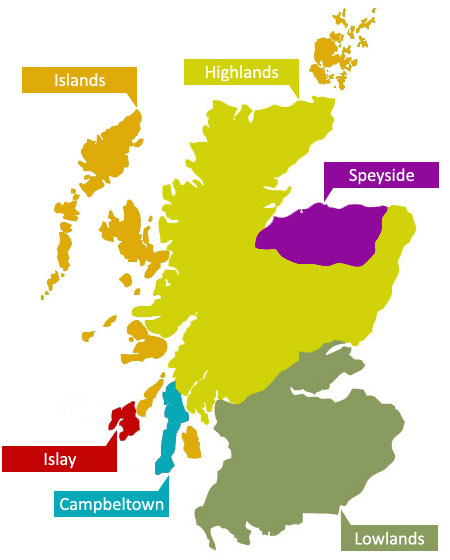
Scotch whiskey production is broken down into 6 regions. Highlands, Speyside, Lowlands, Campbeltown, Islay, and the Islands. The islands are something of a new designation but are widely accepted to be a distinct region. 

The Highlands is the largest region and thus the most diverse. It has over 25 distilleries, the most famous being Glenmorangie and Dalmore. Some people even divide the highland region into north, south, east, and west. The north has more full-bodied whiskies, lighter fruitier styles are found in the east and south. the west is a bit bigger and peatier with more coastal influences. It's hard to draw an accurate determination of taste if a whisky just says highlands. 

The Speyside region, while smaller than the highlands, has over 60 distilleries. The most famous being Macallan, Glenlivet, and Glenfiddich. Typically they are a bit softer and sweeter with little to no smokey peat flavor. Some can even bear a light salty flavor depending on their proximity to the coast. Over 60% of single malt scotch comes from this relatively small area

The Lowlands are the second biggest region, but only houses 5 distilleries, the most famous being Auchentoshan. These whiskies also tend to be lighter, with no peatiness and are occasionally triple distilled. They sometimes have a grassy or honeysuckle note.

Campbeltown is one of the most historic regions but is now down to just 3 distilleries. This region's whiskies are dry, briny, and sometimes pungent but can be fuller or lighter in body. Springbank is probably the best-known brand.

Islay (pronounced eye-luh) is the smallest region but probably the most famous and most beautiful. Housing less than 10 distilleries, this area produces peaty smokey single malts like Ardbeg, Laphroaig, and Lagavulin. They often bring notes of smoked fish or seaweed. These whiskies are often too aggressive for beginner scotch drinkers.

The Islands are not recognized by the Scotch Whisky Association but are widely agreed to be their own region. They are naturally very varied in style and taste. There are over 800 islands off the coast of Scotland but very few are inhabited. Some of the most famous island whiskies are Highland Park from Orkney and Talisker coming from the Isle of Skye.

"I love too sing, and I love to drink scotch. Most people would rather hear me drink scotch."
- George Burns

Sunday, November 10, 2019

Gin 402: Dissecting a Cocktail: 101 ways to Martini

Someone walks into your bar and asks for a martini. What do you make them? The following are 12 examples of the classic drink. this showcase should run the gamut of what this drink can be. There are a couple variables that aren't directly measured like how many olives do you want in your dirty martini but pish. P.s. Please don't drink all of these in one sitting. It's actually a lot of fun to batch them all up and do 6 1/2 ounce pours of them to really learn your own palette and tastes.

50/50 Martini
1.5oz. Plymouth Gin, 1.5oz. Dolin Dry Vermouth, 1 dash Orange Bitters, Garnish: Lemon Twist
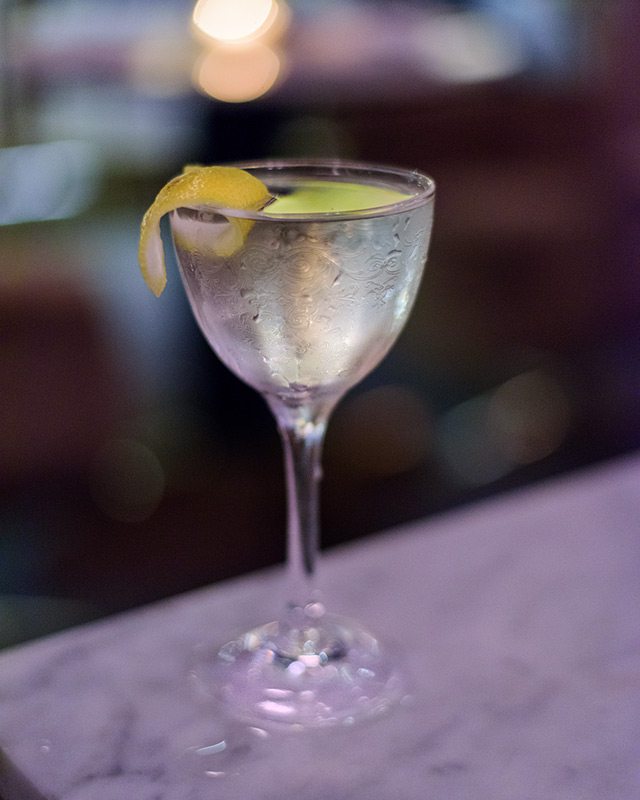
Add these ingredients to a mixing glass. Stir until well chilled (about 30 seconds). Strain into a chilled cocktail coupe and garnish with a twist of lemon.
This cocktail is actually much closer to the historical Martini recipe than any other drink on this list. The others are substantially more alcohol forward, which became a bit of a trend in the 60s, nearly a century after its likely invention. This recipe showcases how vermouth can add beautiful delicate flavors to the cocktail and let you enjoy yourself without getting too plastered. Finding a balanced ratio between the two main ingredients is truly a matter of personal preference. Some people go classic with a 2:1 ratio of gin:vermouth. Others like 5:1, 8:1, or even 1:2, with more vermouth than gin. Nothing is set in stone.

Churchill Martini
2.5oz. Beefeater London Dry Gin, Garnish: Olive
Stir gin with ice while glancing at an unopened bottle of dry vermouth. Olive garnish
This was indeed how the legendary British Prime Minister ordered his cocktail. He kept it purely British, no French or Italian spirits tainting his gin. Boozy for sure. Fun fact: also how Eggsy took his Martini in the film Kingsman: The Secret Service. A simple riff on this recipe is the In-and-Out Martini. No, not the west coast burger joint. Simply rinse a chilled martini glass with around a quarter ounce of vermouth, coating the glass. Then dump it out. Strain in your chilled gin (or vodka), and bang, gin with essence of vermouth.

Vodka Martini, Shaken not Stirred
2.5oz. Vodka (I recommend Ketel One), 0.5oz. Martini Dry Vermouth, Garnish: Olive
Add your ingredient to a three-piece shaker with ice. shake until chilled (8-10 seconds). strain into a chilled martini glass. Garnish with an olive on a pick. 
Yes, we're going the James Bond route. Well, rather the Sean Connery route. There's some debate as to how this drink became so popular. This was how bond ordered it in the 6th book "Doctor No", which was the first Sean Connery film. But Bond had invented and drank countless other drinks throughout the many books. I'm sure someone has counted them. This drink is unnecessarily watered down and likely has air bubbles and ice shards floating around in it. Perhaps the weaker drink allowed Bond to retain his composure for longer while on the job. This texture is desirable to some but rather uncommon in spirit-forward drinks which could be stirred allowing for a silky clean feel. Some people think that it does make it colder and easier to drink quickly. Up to you, my father likes them.

Diamond Martini
2.5oz. Vodka (I recommend Ardent Union), 1 dash Martini Dry Vermouth, Garnish: Lemon Twist
Batch up these ingredients together. Store them in the freezer until it's as cold as possible. Pour into a chilled martini glass when ready. Garnish with a lemon twist. 
This is the exact opposite of the last Martini. It's all booze, chilled down cold as possible and served with no dilution. It feels like booze. Dilution is a crucial component of every cocktail. Eliminating the water that naturally mixes with the drink creates an imbalance. Feel free to use a 100 proof vodka to really drill the extremes of this example. Or just stick a bottle of Everclear in the freezer. Some people genuinely do just like drinking cold vodka without dilution or mixer, but I find that is a fairly regional preference.

Dirty Martini
2.5oz. gin, 0.5oz. Dry Vermouth, 0.5oz. Spanish Olive Brine, Garnish: Bleu Cheese Stuffed Olive
Add these ingredients to a mixing glass. Stir until well chilled (about 30 seconds). Strain into a chilled cocktail coupe and garnish with a bleu cheese olive on a pick.
There is a lot of debate about when people started garnishing the martini with olives rather than a twist. According to a story on NPR, a Syrian bar owner in Paris wanted to show off the fruit of his homeland and started sticking them in drinks and it caught on. the added salt and vinegar which was used to store and preserve the fruit created an amazing depth to the otherwise fairly light flavor. I prefer bleu cheese olives personally but it's common to find olives stuffed with garlic, pimento, or other peppers to add some different spice character to the drink. Some people will also use olive juice in place of brine, or even run olives through a centrifuge to extract the essential oils (please make sure these are food safe before purchasing/ingesting).

Perfect
2oz. Tanqueray Gin, 0.5oz. Noilly Prat Dry, 0.5oz. Noilly Prat Sweet, Garnish: Lemon Twist
Add these ingredients to a mixing glass. Stir until well chilled (about 30 seconds). Strain into a chilled cocktail coupe and garnish with a twist of lemon.
This is a sort of step in between the Martini and the Martinez. The drink calls for sweet and dry vermouth. It injects a lot more fruit character into the drink. I don't like an overly complicated and botanical gin for this drink. Tanqueray is famous for having only 4 botanicals which make it less likely to have a clash with any of the ingredients in the vermouth you're using. Feel free to mix and match your ingredients for this one, and all of the other cocktails as well. 

This should have given you a full understanding of what the martini can be in every respect. No two people like their martini's the exact same way. Though obviously, not everyone has had a martini every way you can possibly make it. At least none who have survived. A martini is a very personal thing. Have a conversation with your guest. What spirit? What brand? If they want any vermouth, and how much? What garnish? Ordering a martini means you have to talk to your bartender, eventually they will learn your tastes and make it your way every time. Even then, it's still fun to try new ingredients and ratios to see how your tastes change over time. I would never make the martini I make for myself at home for a random guest at a bar. Who knows? Maybe one of you can make me a drink even better than how I make them for myself. Two people have done it for me so far and it made my life all the better. 

Monday, November 4, 2019

Bar Knives

For the purposes of cutting fruit for garnishes, just about any well taken care of knife will do the job. I've used oyster knives, serrated steak knives, 8-inch chef's knives, and weirder. A butterfly knife worked really well for me for years. A dollar store paring knife will do the job but it will dull or even break fairly quickly. Spend at least $10 on a good piece of stainless steel. Here's a guide of the pros and cons of different knife types. 

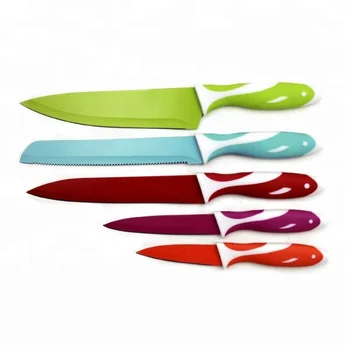
In terms of material make your choice wisely. Carbon steel is sensitive to citrus so avoid that. Some people prefer non-stick silicon-coated knives, which usually come in a variety of pretty colors. The coating allows the knife to be cleaned easier but constant use and sharpening removes the protective outer layer. Most are affordable enough to replace as needed. Compared to carbon steel, ceramics are actually wonderful. They will hold an edge longer, they don't rust, and are typically cleaner. They can't cut overly dense materials though, like anything frozen. Steel remains the most versatile. If you take the craft seriously and enjoy the ritual of maintaining your tools get something solid. If you're just keeping it casual, silicone coating or ceramic work fine. 

Length and shape are just as important. They are important with regards to most things. 3.5 inches is a standard for a fruit paring knife, but that is sometimes too small and makes cutting anything the size of an orange or larger rather tricky. It'd require multiple sawing cuts, which leads to a higher chance for error. Not the end of the world, but I go for 4 inches, it's still easy enough to finely maneuver. The purchasing of larger knives may be necessary for pineapples and whatever other custom needs you may come across. Go on, get a machete if you are doing coconuts. Just, please be careful and watch your fingers. 

Unless you were a professional chef at an Asian restaurant focusing in soba noodles in a past life, get a standard double-edged blade. With training, these can be handy for ice carving, but that's another conversation. And avoid serration to assure clean cuts with no stringy bits hanging off. 

The shape and curve of the blade are where things really get subjective. A nice point is necessary for detailed work. Get a good spear point and you can cut designs as if you were using a pen. The choice between a classic curved, Sheeps Foot (straight/flat edge), or Bird's Beak style are fairly subjective. Bird's Beaks are weird, you're not a French chef carving potatoes. Sheep's foot knives allow you to cut all the way straight down and have the blade be totally flush with the cutting board. These square-edged knives are typically beautifully sharp. They are unfortunately typically fairly small, expensive, and harder to find. Santoku edges are not perfectly straight but are very close. They are widely available in all materials and sizes. Rounded edges are common but are designed more for fine chopping and mincing in the kitchen.

Handles are another matter. The common chef knife handle material is wood, but you widely see plastics and synthetics used, occasionally metal. Naturally, when wood gets water or acidic components or what have you on it, it can corrode. They are widely agreed to be more comfortable though. Just don't put them in the washing machine. With synthetics, you can be more careless with their caring and maintenance and it will retain its durability. 

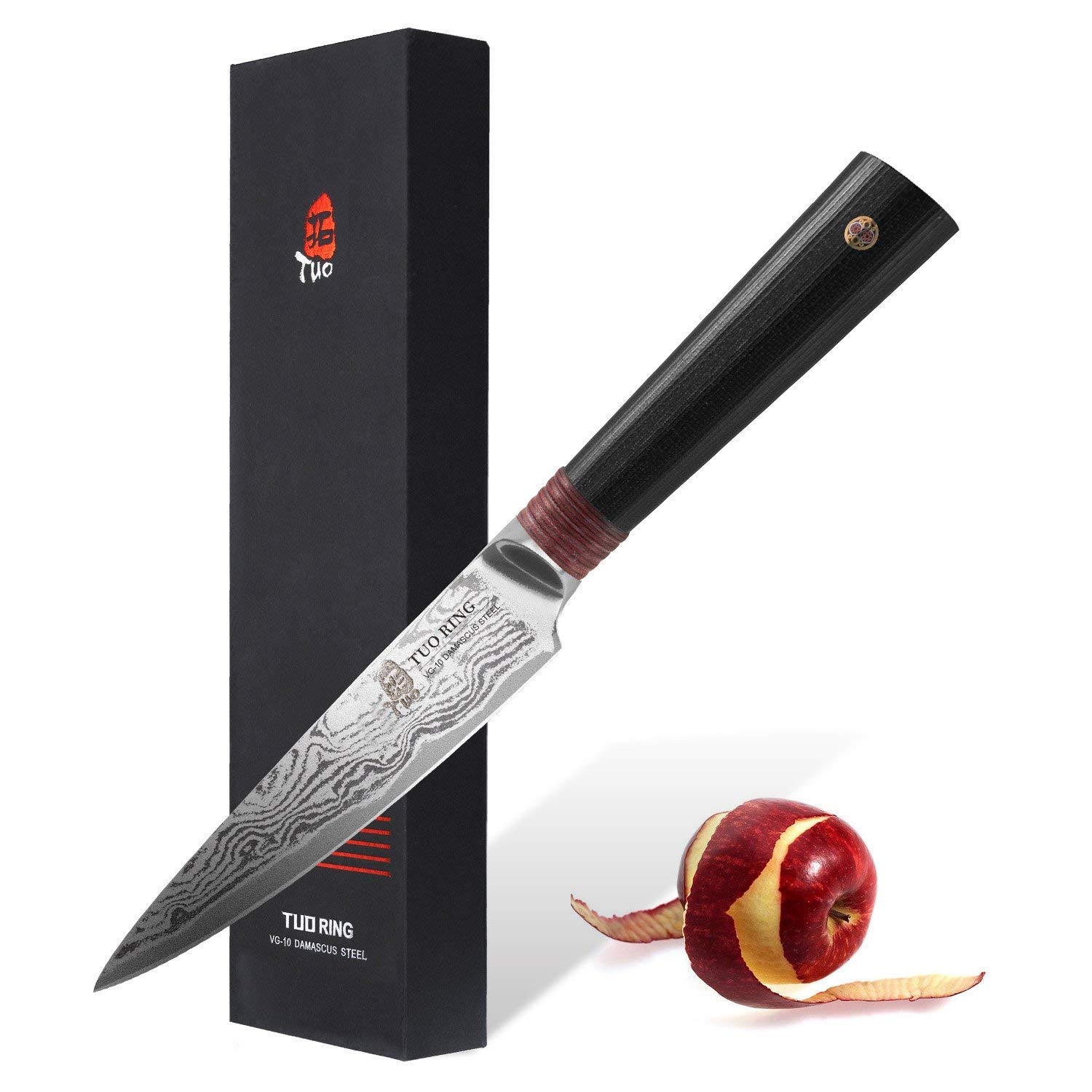
Regarding ice cutting knives, get dense folded steel. You'll need a smaller size for hand carving spheres or diamonds. Spend at least $70 and you will feel like you're cutting bits off a potato chip rather than a piece of brick ice. Cutting down large block ice into workable chunks is trickier. A decent bread knife will work to break down large blocks with the help of a mallet, roughly. We'll talk more about this in our ice section. My choice at home for detail work is here

Take care of your knives. So many of our bar tools are based solely on feel and really don't develop appreciable wear and tear. Knifes dull. Knives need care. Caring for your knives is a very meditative thing. Enjoy it. Appreciate your craft. 

- "A knife is not a weapon, a knife is not a toy; a knife is a tool and who uses a knife as a weapon, or a toy; is a fool."

Tuesday, October 29, 2019

Mule in a Mill

This is my creation for Diageo World Class 2020. It's a riff on the cocktail I did for the Philadelphia Summer Cocktail Social. It's a simple riff on a mule where the lime juice is replaced by orange juice that has been tweaked to have the same acidity as lime. The peach flavors of Ketel One Botanicals pair amazingly with the dessert flavors of the amaretto. It's bright, refreshing and will fit palettes for all seasons.

1.5 oz. Ketel One Peach and Orange Blossom Botanicals
0.5 oz. Amaretto Di Saronno
1 oz. Acid Adjusted Orange Juice
1.5 oz. Fever Tree Ginger Beer

Add the Ketel One Botanicals, Amaretto, and Acid Adjusted Orange juice to a mixing tin. Add ice and shake lightly until chilled. Add the ginger beer into a highball glass with a large ice column. Strain the cocktail over the ginger beer. Garnish with a long ribbon of orange peel. Serve with a smile.  

To make Acid Adjusted Orange Juice:
Mix 1 liter of freshly squeezed and strained orange juice with 32 grams of citric acid and 20 grams of malic acid. Stir until mixed and uniform.

This cocktail is really about simplicity and precision. So many cocktails depend on ingredients that can be wildly inconsistent depending on when and where they are sourced. While local seasonal fruit can create amazing flavors, you never know what the acid content or sugar content is going to be exactly. I'm a carpenter. I like exact measurements. If one measure is off by as much as 1% it can make a table wobbly and unbalanced. Wild ornate cocktails have their place but without a stable, anchored base, they fall apart. Nature can be shaped to our will fairly easily. So that's what I did in this drink. The Ketel One Botanicals are a beautiful set of spirits that mix individual essences to turn out consistent crisp clean flavors. Again, building from parts to create a whole. Cheers.

Darcy's Donkey by Gaelic Storm
https://www.youtube.com/watch?v=C6N6W59nQh4

Thursday, October 17, 2019

Rims and Rimming

Adding a rim to a cocktail adds a whole new dimension to flavor and texture to your cocktails. a good cocktail rim allows a cocktail to taste a little bit different with every sip and allows the guest a more interactive experience with their drink.

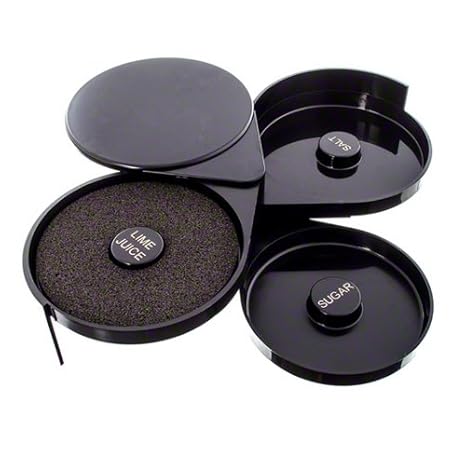
A lot of bartenders I see use a simple commercial rimmer for the sake of speed. Please don't use one of those hinged three-tiered monstrosities. The sponge they utilize to moisten the rim of the glass is rarely cleaned often enough and accumulates all kinds of bacterial growth. Also, this wets the inside of the glass as well as the outside. this is then dunked into sugar or salt which almost immediately gets mixed into the drink. and an extra half teaspoon of salt immediately being mixed into any cocktail will throw off the balance. A cool example of when you actually should have a rim on the inside is the Spanish Coffee where the sugar on the inside is actually burnt and turned into caramel which mixed into the hot cocktail.

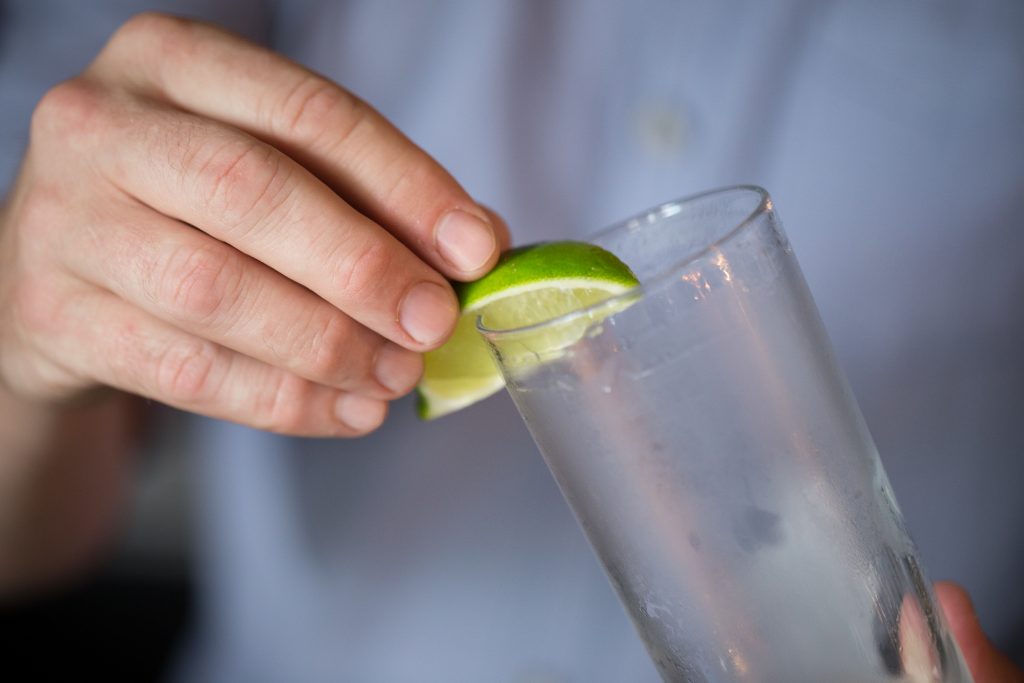
It is typically far more preferable to moisten the outside of the glass with a citrus wedge. Typically whatever citrus is used in the cocktail makes the most sense, but it's not a hard rule. A beautiful rim of salt around a margarita with a lime wedge is classic. I often use an atomizer to wet the glass. A mister filled with honey syrup was used in a few cocktails I've menued over the years. You also don't have to wet the entire rim. you can do just half or just a little decorative strip.

Fill a bowl or dish with your powdered rim of choice. Always add more than you think you'll need to guarantee a consistent coating overall.  Dunk your moistened glass into the bowl and give it a little twist in the powder. Pull out the glass and give it a little tap to break off any heavier clumps. Fill with your cocktail and you're good to go. 

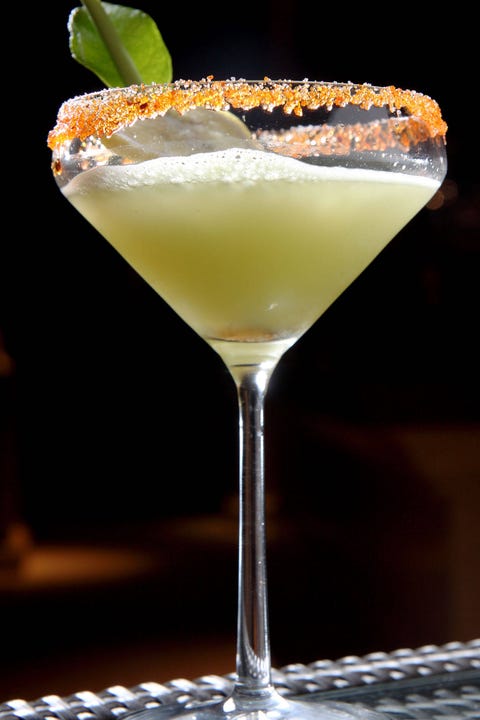
It's also not unheard of to coat the rim of your glass with melted chocolate and allow it to cool into a tasty band. a lot of dessert drinks utilize chocolate. I've seen smores cocktails rimmed with chocolate syrup and crushed graham cracker dust. I've seen gold dust, gingersnap cookies, bacon salt with old bay seasoning for a Bloody Mary, and more.

Aside from the classic sugar and salt, some of my favorite rims are:

Spicy cinnamon sugar:
12 parts Sugar: 2 parts Ground Cinnamon: 1 part Cayenne Powder. Mix around in a bowl and you're good.

Smoked Citrus Sugar:
1 part bruleed citrus peels (finely minced), 2 parts sugar. Take any assortment of citrus fruits and peel them. Take a brulee torch to the peels until they dry and start to curl. Chop up the peels into a fine mince, and add your sugar. Muddle this around a bit to get out all the oil you can.

Garam Masala Sugar:
4 parts Sugar: 1 part Garam Masala (mix of cumin, coriander, cardamom, black pepper, cinnamon, cloves, nutmeg).

Green tea cocktail rim:
Matcha green tea, sugar, citric acid powder.

"You have no idea how hard it was to not make sex jokes in this post."
- Me

Friday, October 11, 2019

Juicing

Picking a juicer really depends on how much you plan on juicing. Hand juicers are fine for home use and cocktails to order but most bars need the help of something a bit more industrial. Check my post about different juicers here.

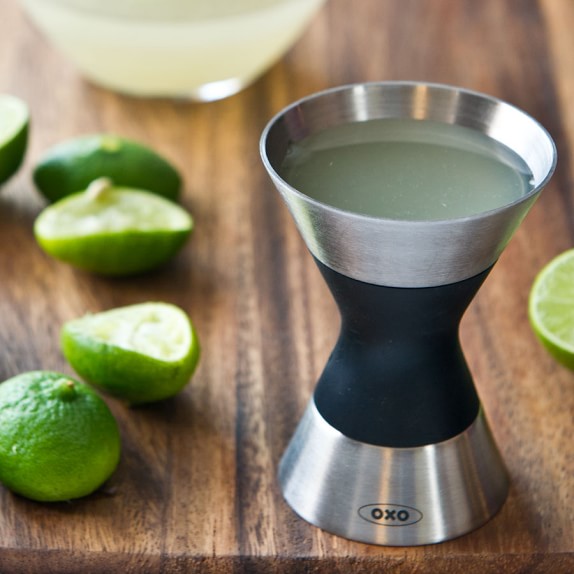
Juicing citrus is fairly simple. If the stem of your fruit is a "pole", cut the fruit in half along the equator. insert the fruit cut side down onto the juicer, be it a hand juicer, press, or mechanical. If there's an interuption you can leave the cut fruit up to 2 hours before juicing.  Apply pressure manually, or through the lever until the juice is extracted down to the pith. Juice into a china cap over a cambro. When juicing to order (a la minute) you can squeeze directly into a jigger for cocktail service. This has some drawbacks though.

I don't recommend juicing anything a la minute. every different piece of produce you juice will have different sugar and acid content. Also depending on the pulp in your juice and how you strain the cocktail, you could be getting wildly different yields. juicing in large batches and straining allows for greater consistency over the course of the shift. Some people like the pageantry of seeing the fresh juice squeezed in front of them but it does lead to less consistency overall.

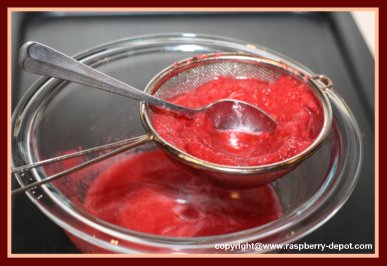
A simple way to juice berries or other soft fruits like kiwis at home is to just muddle them through a mesh strainer over a container. After you've mashed a bit, scrape out the spent pulp from the inside. This keeps the strainer from getting too clogged. The mesh will catch all the skin and seeds and the liquid will flow through. Depending on the density of the mesh you made need to filter the juice more times.

Fresh juice has a fairly narrow window for their ideal flavor. Lemons, limes, and grapefruit are delicious freshly juiced but many people think they get even more flavorful after a few hours of rest and are good up to 2 days (48 hours) later. The shelf life of oranges is a bit less forgiving. Oranges contain substances called lactones, which after juicing, develop into limonin which has a bitter flavor. Fresh is best wish oranges but you can use it up to 4 hours after without much issue.

Myth: Room temperature citrus yields more juice than cold produce.
This theory is odd. People think that the fruit sacks or cells are scrunched together and warming them up will ease the process of juicing. Some people even think that microwaving the fruit will make it possible to extract more juice. Don't do that. Everyone who has tested this has disproven this concept.  The yields are the same regardless. 

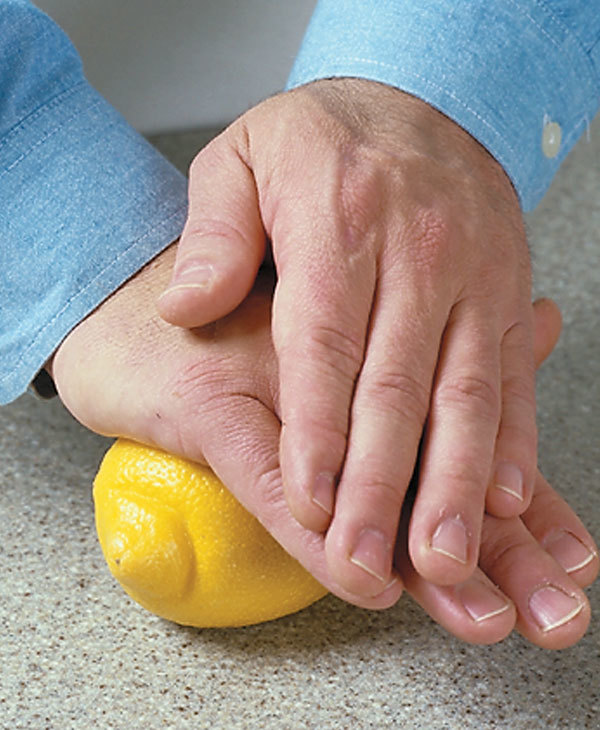
Myth: Rolling the citrus yields more juice.
This is the same silly idea. Even Jamie Oliver thought this works. No, it doesn't. People have tested it. Don't waste your time. A good press juicer extracts all the juice possible, you're not manifesting new juice.